Conflict in Rio can only end in peace

This video, recorded by a helicopter-borne TV Globo camera crew flying yesterday over Vila Cruzeiro in the Penha section of Rio, is quite frightening. It shows armed men massing in an alleyway of the favela, jumping off motorcycles as they arrive. Reportedly, the video led authorities to decide to lay siege to the favela today, as part of a broad response to a conflict that according to O Globo has so far left 23 dead in favela gunfighting, 37 burned vehicles, 47 people arrested and 112 detained for questioning. Military police, numbering 17,500 men, are being aided by civil police and highway police, as well as the Brazilian navy.

The video is frightening but a close look and some reflection bring one to the conclusion that the state will soon bring peace back to the streets of the city that is hard at work preparing to host the 2016 Olympics. Here are some thoughts for consideration:

  • The men in Vila Cruzeiro are massing in an alleyway. Most of Rio’s favelas suffer from accessibility difficulties. While these have benefited the drug trade, they pose problems for leaders who are organizing large-scale resistance to the police. Note that towards the end of the video, shooting is taking place. A motorcyclist drops his motorcycle and runs for cover while other men shoot in defense. The video shows many heavily armed men, but they are quite obviously on the defensive.
  • According to rumor, the drug traffic leaders in Rocinha, now said to be two united gangs, have a weapon that can shoot down a helicopter, as occurred a year ago in Morro dos Macacos. But drug traffickers don’t have helicopters; the police (and the media) do. Drug traffickers must rely on the media, internet and phone and radio communication for their intelligence.
  • That communication is heavily monitored  by the police. Police corruption still exists and it must be presumed that some information is being leaked to criminals, but the police are bound to have more complete intelligence.
  • Orders for the guerrilla warfare came from imprisoned drug traffickers, who are being moved to prisons where contact with their subordinates will be more difficult. The subordinates had no choice but to obey those orders, but now that they are cut off from the bosses their determination may begin to falter, especially as they come under siege and attack from the police, who are manning roadblocks around the city, and have help from the highway police to stem the flow of weapons into Rio.
  • Meanwhile, the drug traffic, the warriors’ biggest resource, has surely dried up.
  • The drug traffickers’ weapons intimidate and threaten favela residents, but the majority of these want peace, don’t support the local chiefs and can choose to dial the Disque-Denúncia to provide the police with information and in some cases, earn rewards.

What do you think? Please leave your comment. And remember that dramatic news of violence is only part of the story of Rio de Janeiro’s transformation. Scroll down, read on, share and subscribe for free, if you like.
Posted in Transformation of Rio de Janeiro / Transformação do Rio de Janeiro | Tagged , , , , , , , , , , , , , | 3 Comments

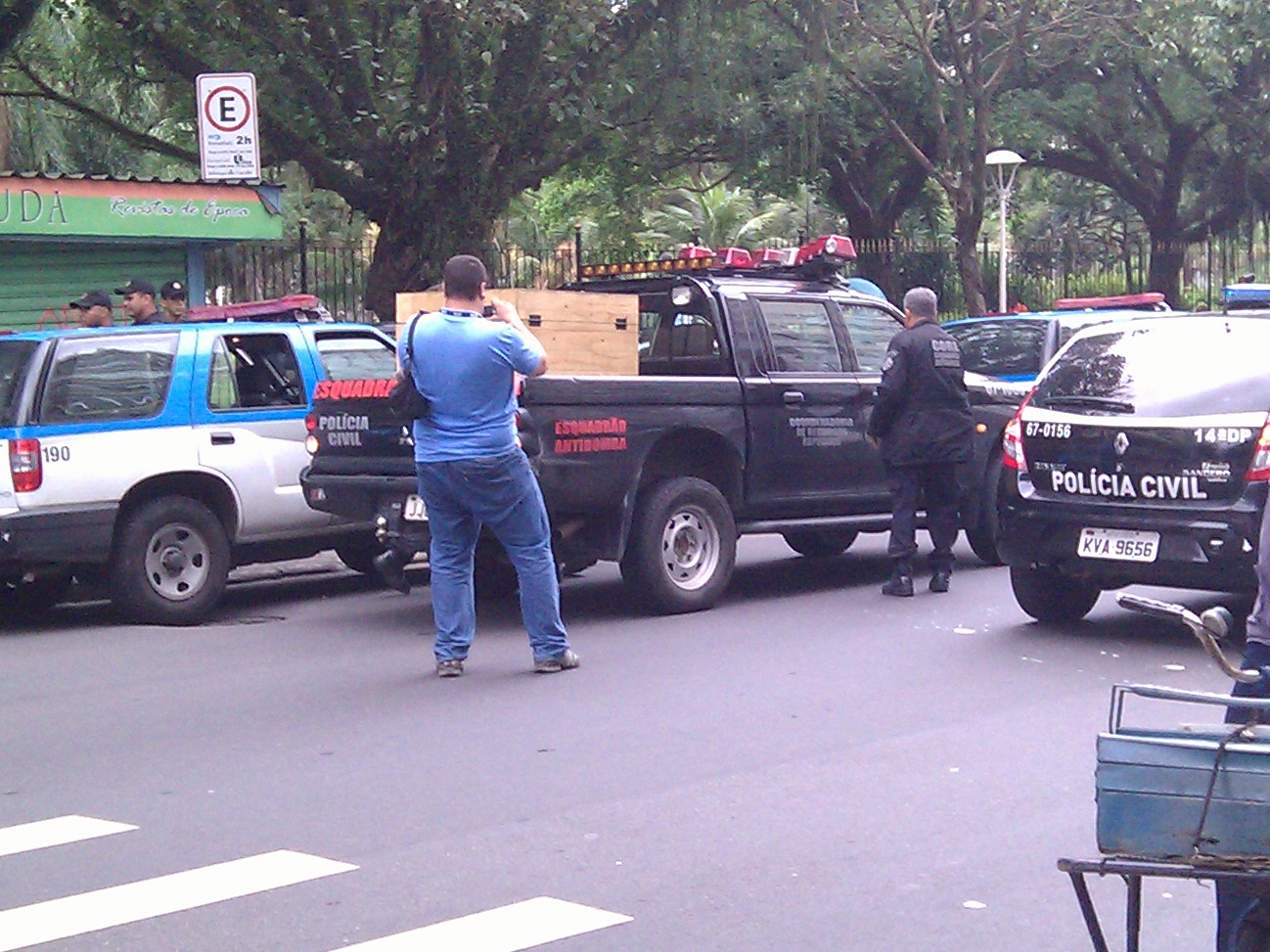
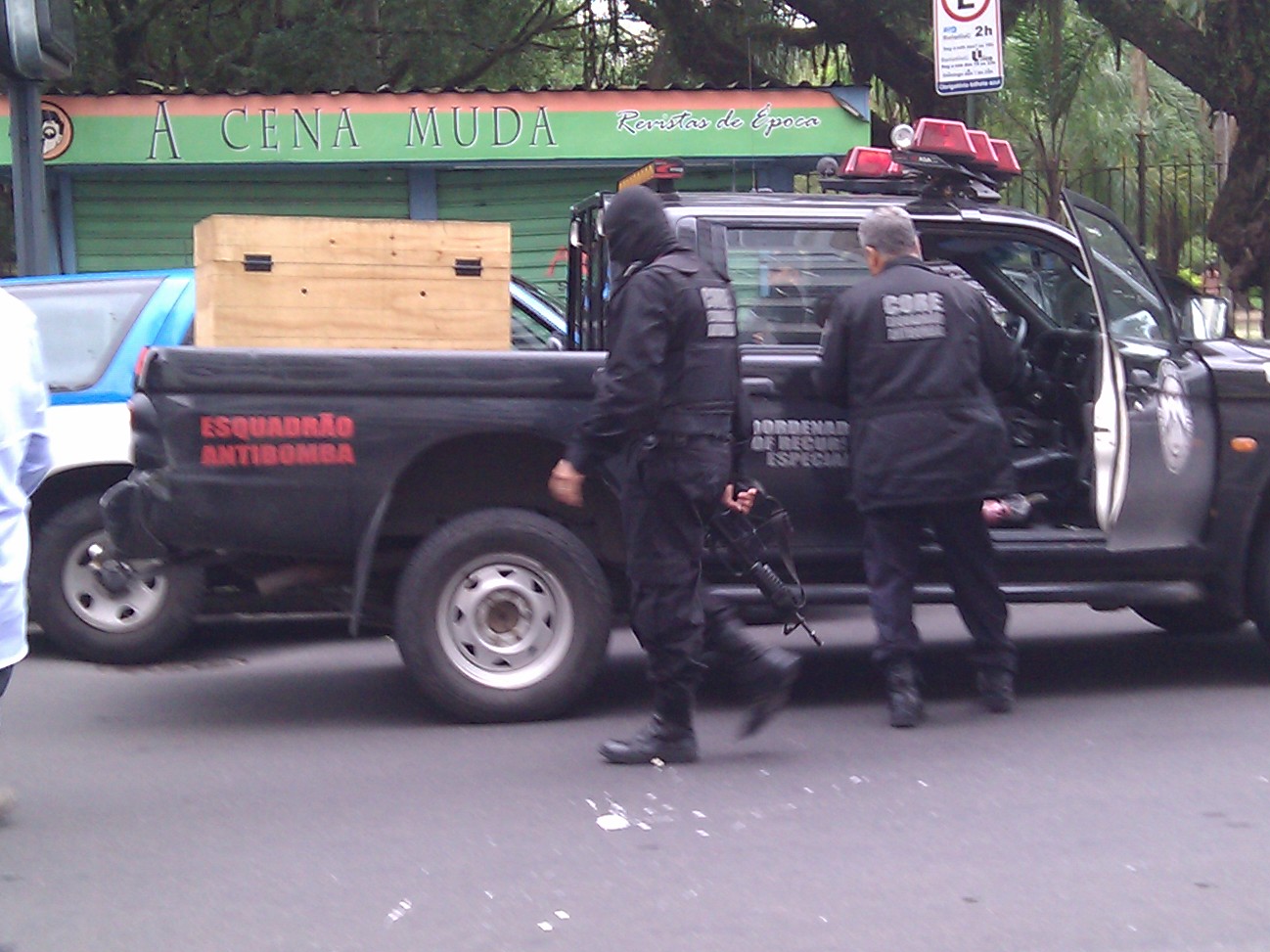
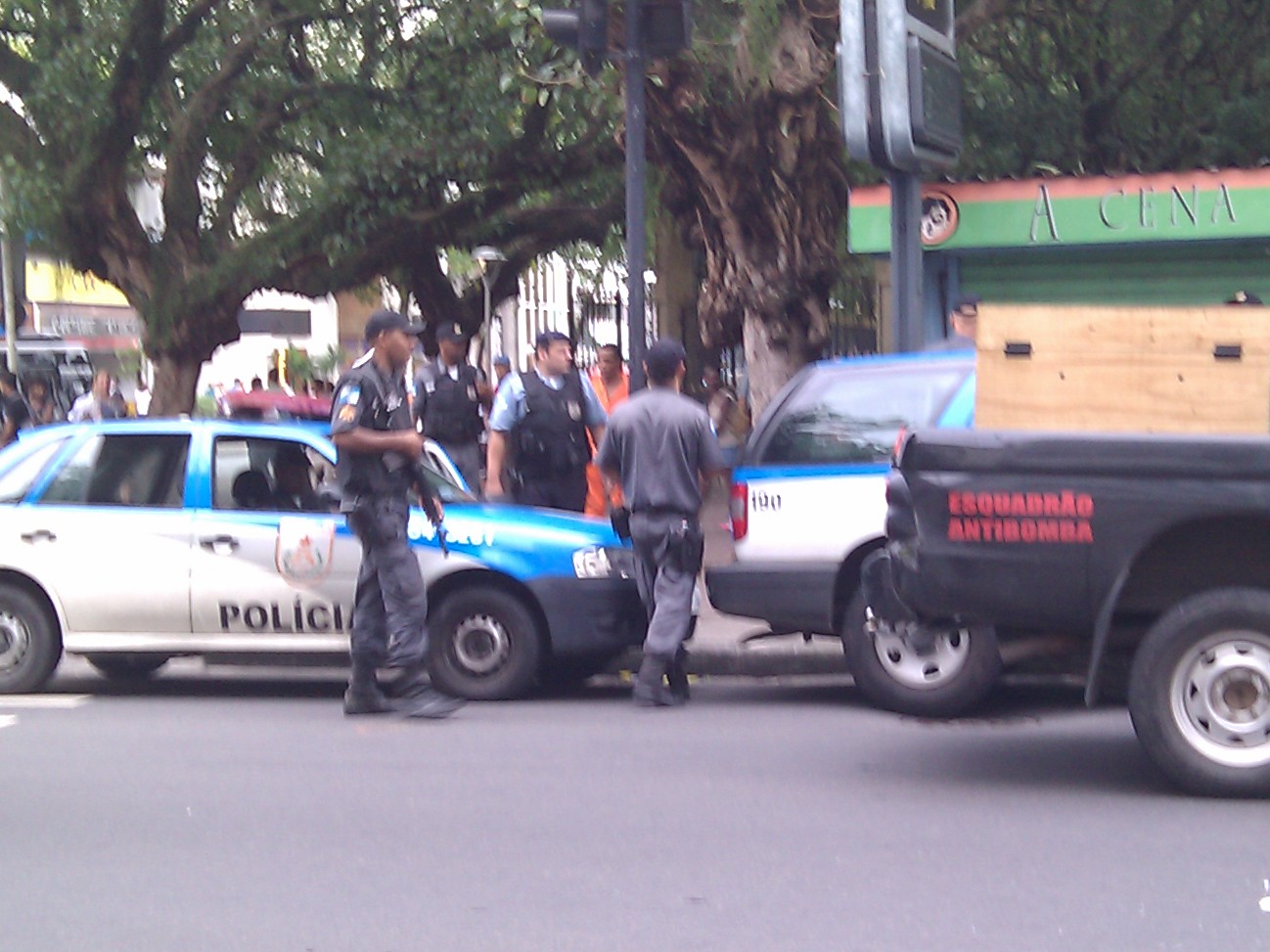
Fotos exclusivas de esquadrão anti-bomba em Ipanema/Exclusive photos of anti-bomb squad in Ipanema

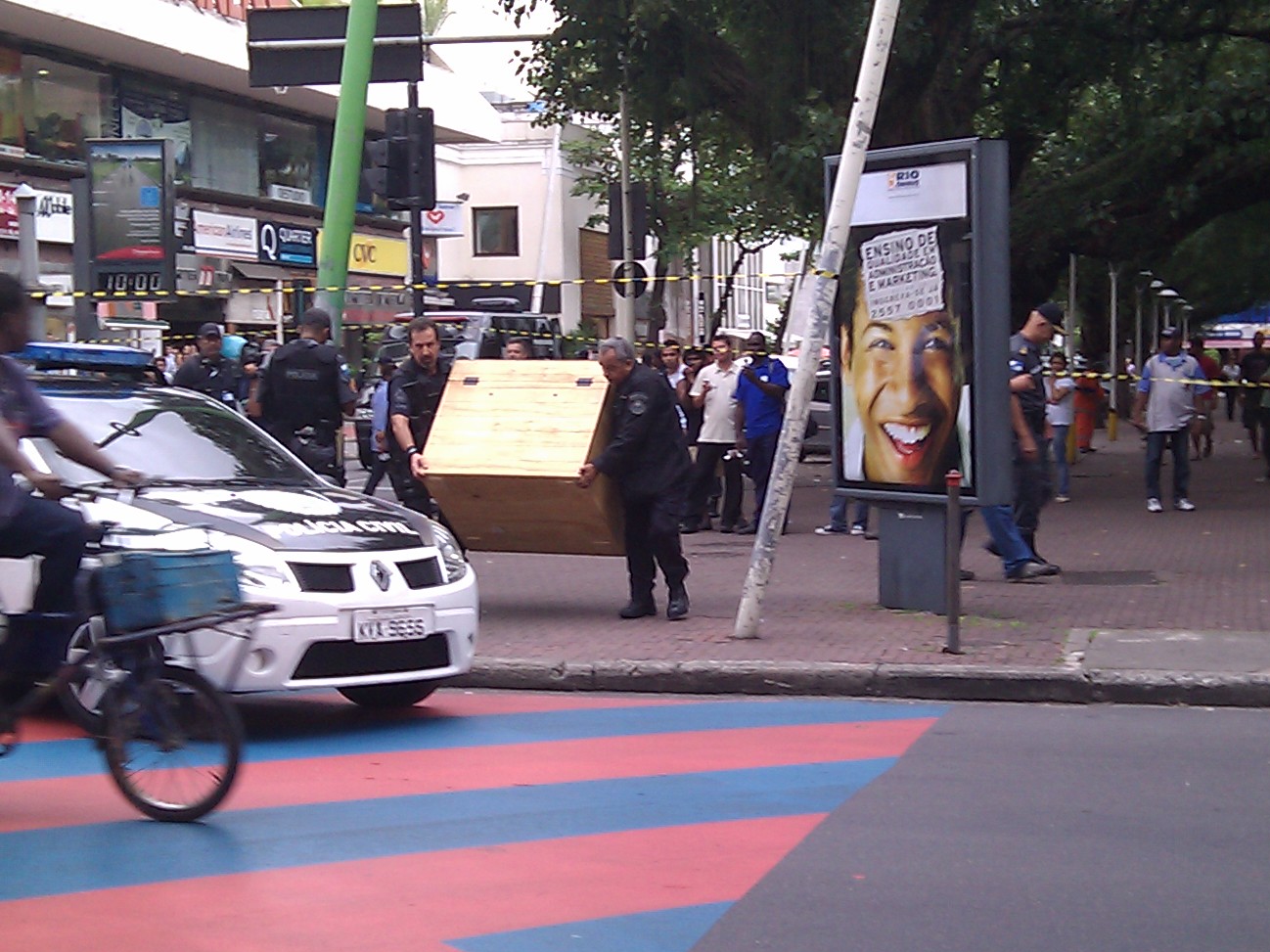
[UPDATE/ATUALIZAÇÃO] O Globo reports the boxes were part of an ad campaign, and that the bomb squad found a key inside the first box, pictured below. Here is coverage from O DiaDe acordo com O Globo, as caixas faziam parte de uma campanha publicitária, e o esquadrão anti-bomba encontrou uma chave dentro da primeira caixa, nas fotos abaixo. A cobertura de O Dia está aqui.

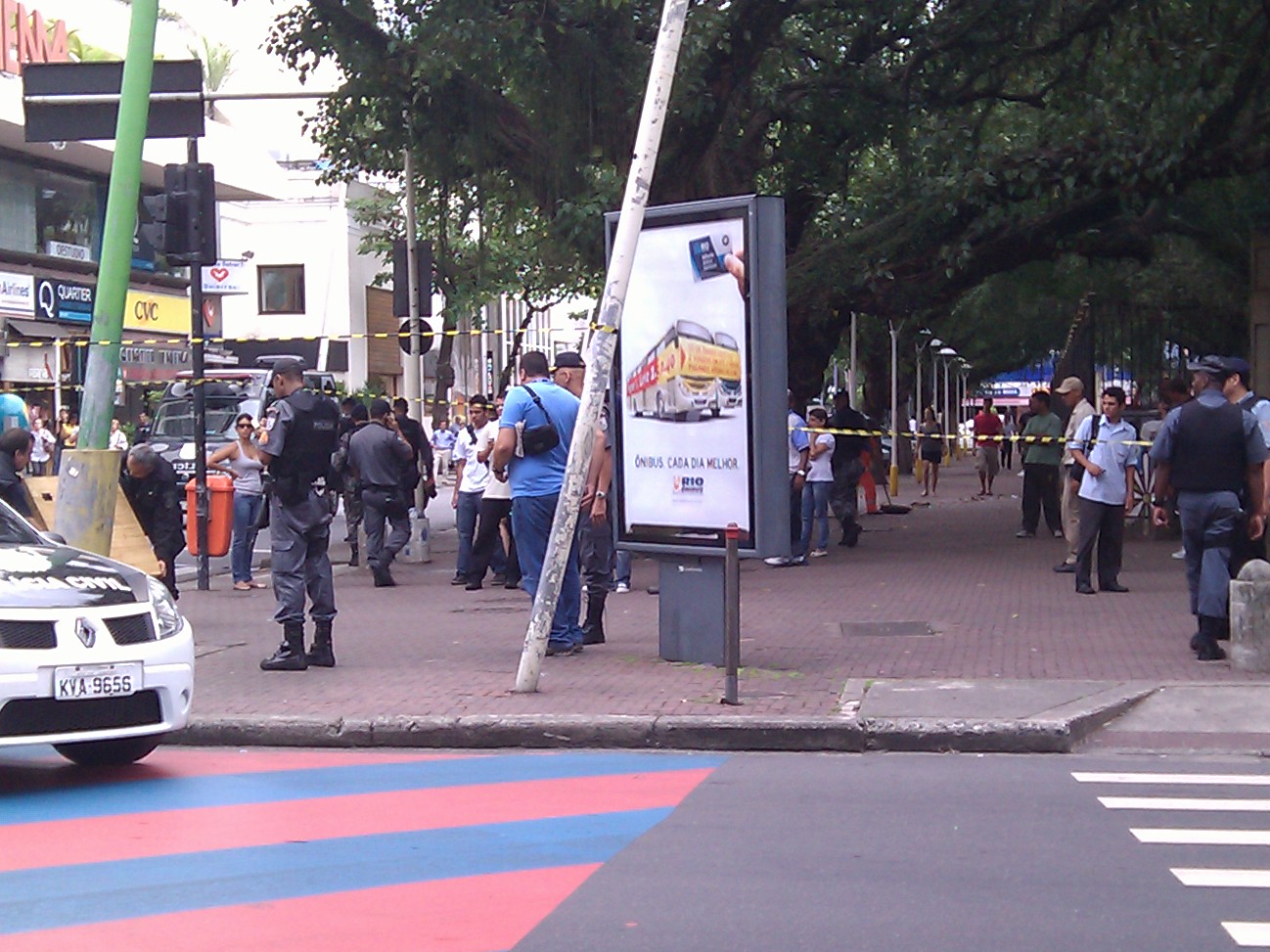
10:00 A.M. An apparent explosion is heard in Ipanema. Any other week it would be shrugged off as an electric transformer gone haywire. Today, people think the worst and run to the window; some go down to see what caused it.

10 horas. Ouve-se uma aparente explosão em Ipanema. Em qualquer outra semana, seria um algum problema transformador da Light. Hoje, todos pensam no pior e correm às janelas. Alguns tomam coragem para descer e ver o que causou o barulho.

According to passersby, three large wooden boxes had mysteriously appeared in three different spots, two in Ipanema, one in Copacabana. Apparently there was nothing inside, but the noise heard was made by the bomb squad when it opened one box, in the Praça Nossa Senhora da Paz.

De acordo com transeuntes, três caixas grandes de madeira haviam aparecido misteriosamente em três locais diferentes, dois em Ipanema e um em Copacabana. Aparentemente não havia nada dentro, mas o barulho que se ouviu foi resultado do trabalho do esquadrão de bomba, ao abrir uma delas, na Praça Nossa Senhora da Paz.

“This is too much,” said a woman walking her dog in the park. “They should kill all these criminals.”

“Isso é demais,” disse uma senhora, passeando seu cachorro na praça. “Deviam matar todos esses bandidos.”

Posted in Transformation of Rio de Janeiro / Transformação do Rio de Janeiro | Tagged , , , , , , , , , , , | 3 Comments

Pacification honeymoon is over

Police up the ante

[UPDATE Nov. 24]

Traffic was astonishingly heavy in the afternoon and light last night in Rio, as cariocas either stayed home or left work early, fearful about their safety. Rumors flew: a large company had sent its employees home early; there would be an attack downtown; there would be an attack on the Fashion Mall in São Conrado; police were searching for a truck loaded with stolen dynamite. None appeared to be true.

One report is particularly worrisome– that two of the city’s largest gangs, longtime rivals, are uniting forces in the face of a common enemy, the state. These are the Comando Vermelho (Red Command) and Amigos dos Amigos (Friends of the Friends). They are said to have met and planned the ongoing attacks, which began in September and spread throughout the city in the last week.

Last night state public safety secretary José Mariano Beltrame announced the names of eight imprisoned drug traffickers for whom he’s requested transfers to other prisons, to deter communication with the outside. They too are reported to have been involved in orchestrating the attacks.

The incendiary attacks continued overnight on cars and buses, and shots were fired at bulletproof police posts. No one was hurt. In his Globo column today, Merval Pereira notes that the attackers appear to be well-trained and that it’ s likely that they include former army soldiers. The Brazilian press reported on foreign press coverage, reflecting concern about Rio’s image in view of the upcoming World Cup games in 2014 and the Olympics in 2016.

Public safety experts commented on the situation in O Dia, which also published a map of the incendiary attacks. They agreed that the intent is to frighten cariocas and intimidate state officials as they crack down on crime in Rio with the pacification program. They also said that increased police presence is the correct response. Merval Pereira’s column notes that a recent change in Brazil’s national defense system may allow the army to come to the aid of the state military police in Rio. Brazil’s army has gained experience in this area, in Haiti.

In a series of stories published in the last 24 hours, O Globo reported on what it calls the “hour of truth” for state’s pacification policy, in effect for almost two years. Up to September, implementation was going smoothly. But in the last two months Rio has seen 21 arrastões, or group attacks on motorists, and 14 vehicles have been set on fire, these mostly in the last week. Despite the violence and the fear all of this has caused, overall crime statistics continue to drop over the last 13 months.

According to O Globo, the wave of attacks was orchestrated by displeased carioca drug traffickers imprisoned in the southern state of Paraná. “The criminals who commit these barbaric attacks have fewer places to hide,” said governor Sérgio Cabral. “Today, a person who commits a robbery in Copacabana can no longer run to Tabajaras, Cabritos, Babilônia or Pavão-Pavãozinho.”

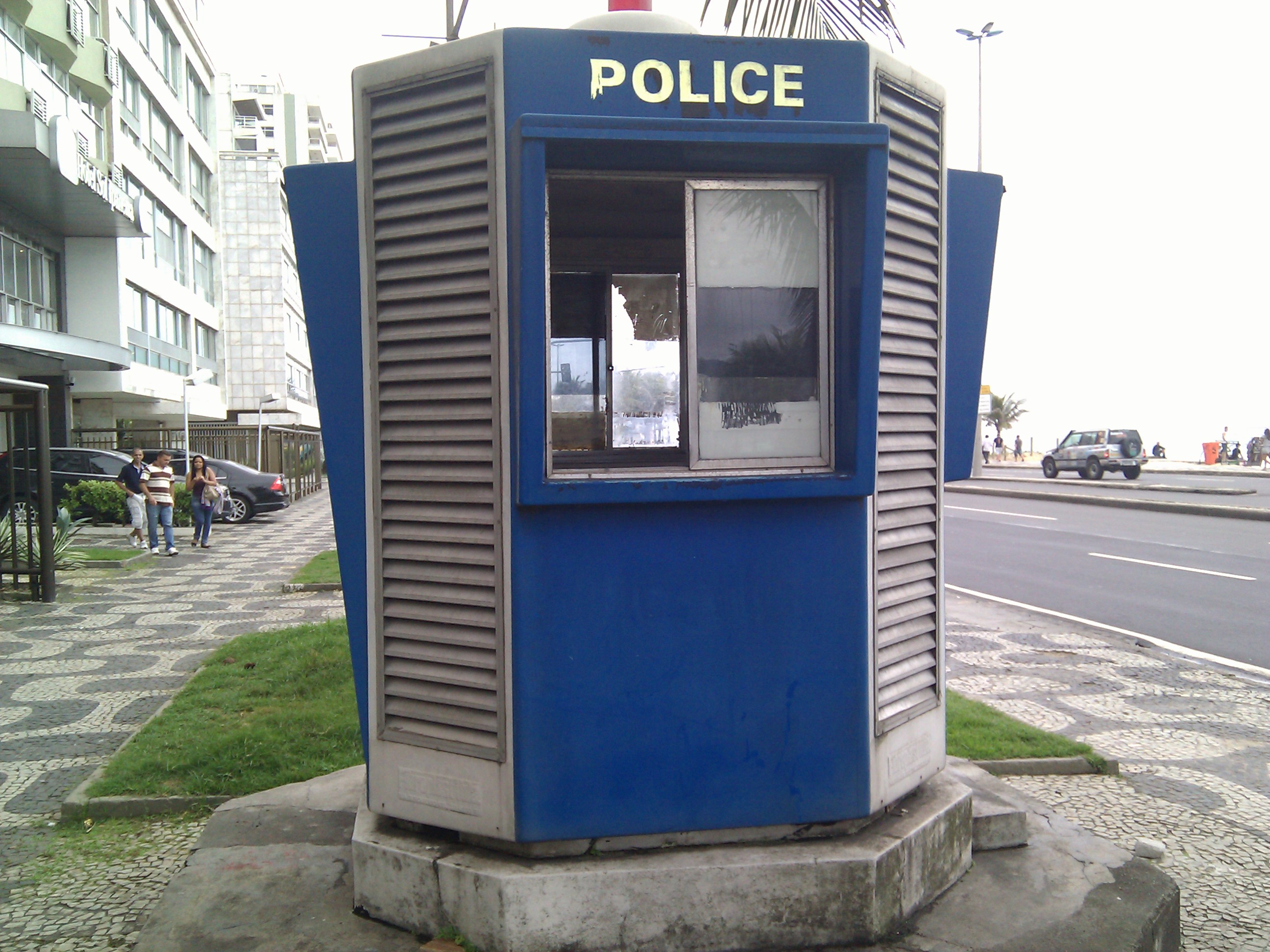
All these favelas have been occupied and are host to UPPs,  police pacifying units; Cabral yesterday reiterated his government’s commitment to pacification.

Motorists who have been attacked or been pulled out of their cars only to watch them being set on fire say the perpetrators are armed with pistols, rifles and grenades, and wear bulletproof vests. Almost no one has been robbed. One witness said it was clear they intended to create panic: “I think war has been declared,” he noted.

Mayor Eduardo Paes referred to the attacks as terrorism.

Off-duty police have been called back to the job, civil, and highway police are lending a hand to the military police, and 140 new motorcycles have been deployed to increase patrols. Today, police went into favelas in search of suspects in the attacks, and so far arrested seven. Police on vacation may also be called back to the job, but officials say that it may not be possible to stop the car- and bus-firebombings, which continued Wednesday, even if the entire police force is on duty. The causes behind the violence — corruption, weak prison and judiciary systems, ineffective border policy to stop the flow of drugs and weapons– must also be dealt with, they state.

According to O Globo, police intelligence reveals that additional attacks are planned if and when pacification starts in the Complexo do Alemão, a set of favelas where reportedly many drug traffickers driven out of other areas have taken refuge. Intercepted communication with prisoners referred to attacks on monuments and in public places. State public safety secretary José Mariano Beltrame says he’s about to transfer a number of prisoners, to make communication between them and their men on the outside more difficult. Wednesday, the harried-looking secretary, interviewed on TV Globo’s midday news,  called for Brazilians to pressure Congress to change laws allowing communication between drug bosses and their lawyers, relatives and friends. They’re allowed conjugal visits, too; one of these provided handwritten evidence. “How can it be that people inside prisons have the capability to be giving these orders?” he asked.

“Public safety isn’t a good you can buy off the shelf,” the secretary said. “It’s an attitude. We [the police] have the attitude, but society must join with us.” He said that arrested attackers often have police records and shouldn’t be on the streets.

Meanwhile, many cariocas, both in and outside favelas, are asking themselves where the fragile and spotty peace they’ve been enjoying for the last 24 months has gone.


Posted in Transformation of Rio de Janeiro / Transformação do Rio de Janeiro | Tagged , , , , , , | Leave a comment

Invisible maps of Rio/ Mapas invisíveis do Rio de Janeiro

A great hanging net that brings to mind a leafy sky

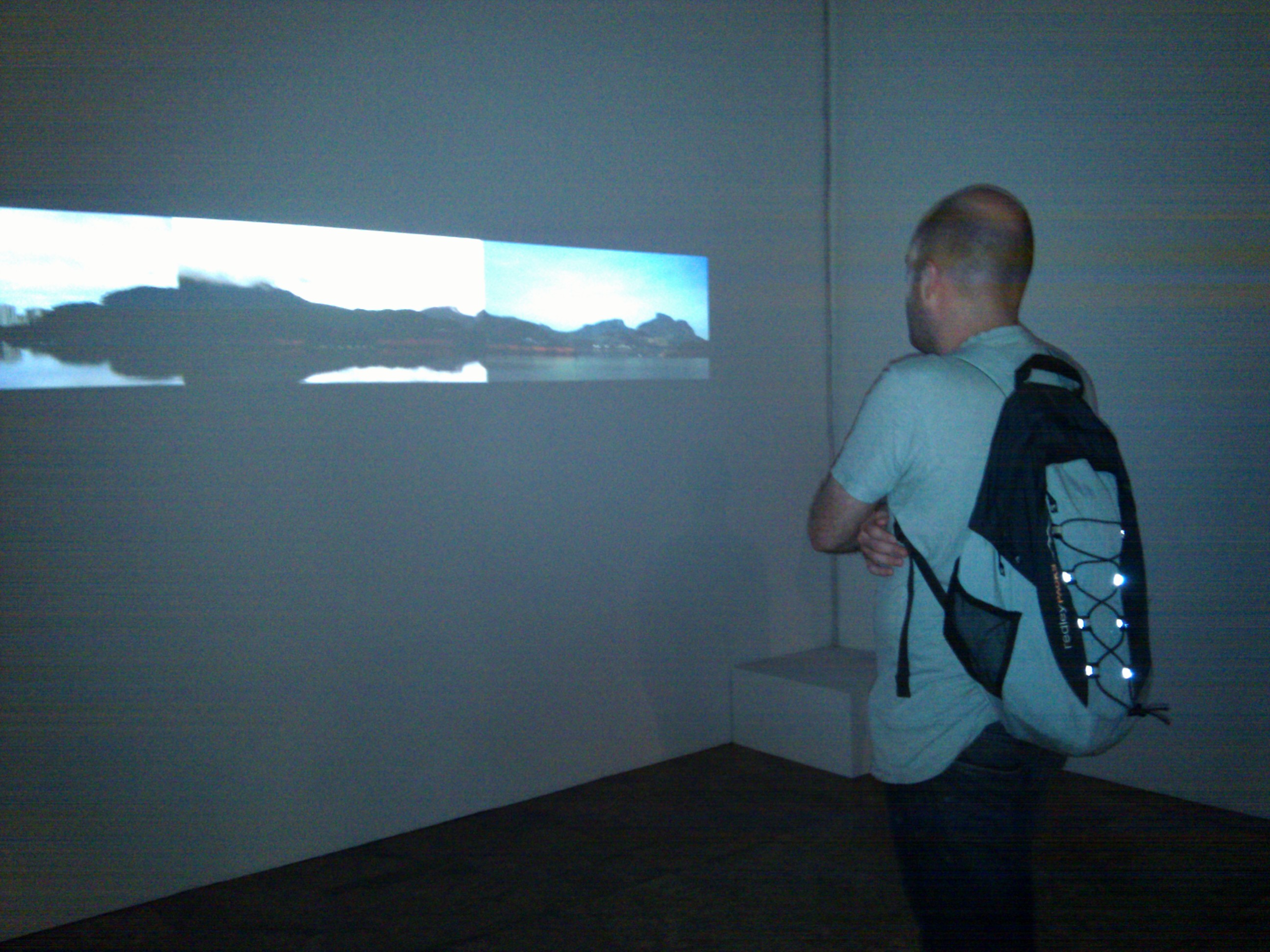
Rio’s artists are among the many who are rethinking Rio. The collective exhibit “Invisible Maps” opened at the Caixa Cultural downtown Nov. 22 and lasts until Jan. 5. Curated by Daniela Name, it’s inspired by Italo Calvino’s 1972 novel, Invisible Cities. “A city is made up of superimposed cities,” says Name. “There are many invisible maps in the neighborhoods and regions of a metropolis. They reveal the different layers of time that the city has been through, sewn together by individual or collective memory of those who live there.”

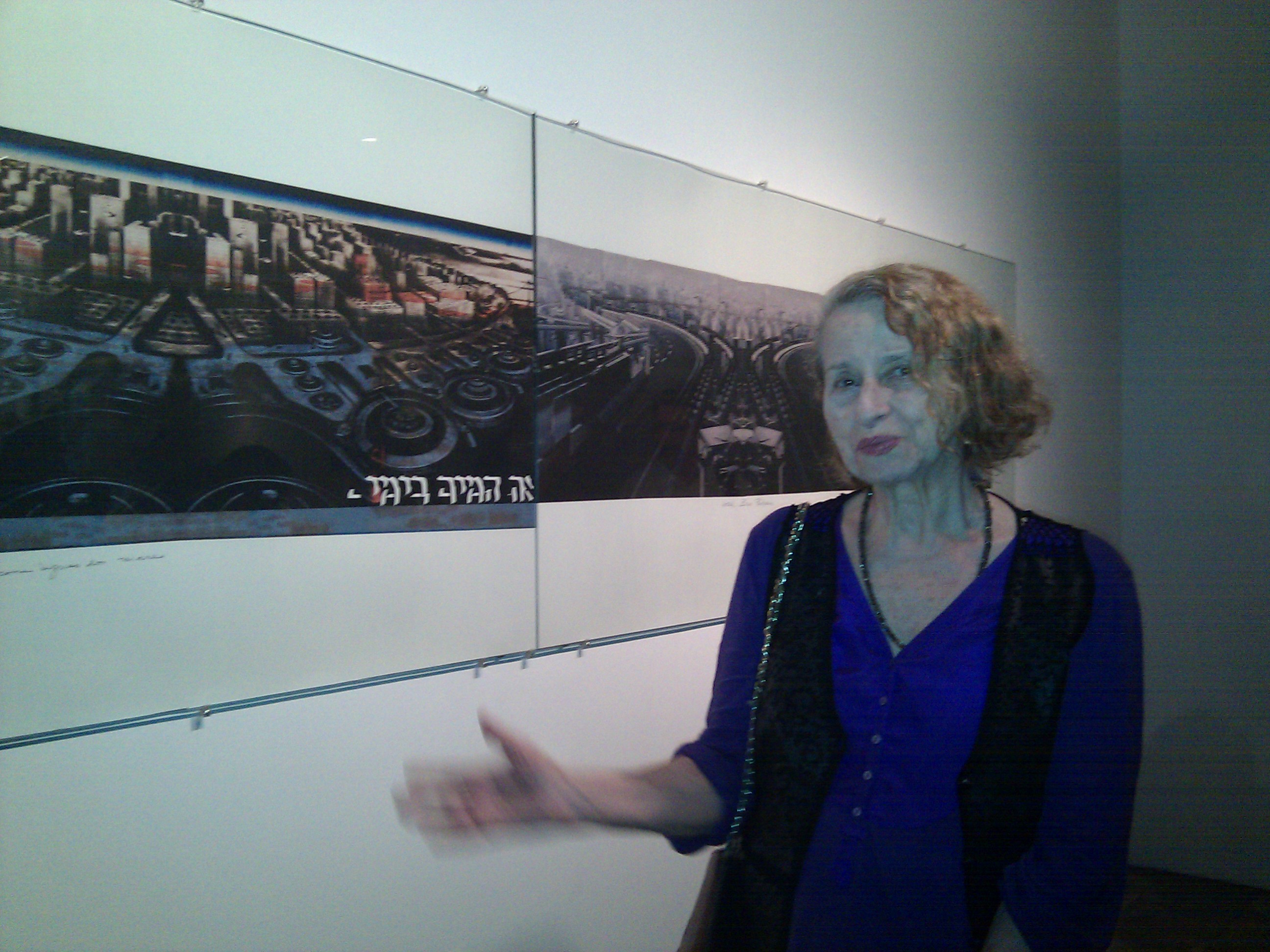
Geiger used old Japanese futuristic images of San Franciso, among other elements

The artist lived in the area for a month to produce the video triptych

The Opavivará Group made an edible photograhic essay of the Madureira market

Read more about the exhibit here, in Portuguese.


Posted in Transformation of Rio de Janeiro / Transformação do Rio de Janeiro | Tagged , , , , , , , , , | Leave a comment

Elite Squad 2: perfect timing

Here is the trailer for Elite Squad 2 in English, opening Nov. 11, 2011 in New York and Nov. 18 in Los Angeles. On Oct. 31 2011, state legislator Marcelo Freixo, on whom one of the movie’s characters is based, announced he and his family would spend a month in Europe because of death threats they’ve been receiving from militia members. A judge who’d been tough on the milicianos was gunned down in front of her home this past August; a top police commander is now behind bars, accused of ordering her assassination. For a more up-to-date post, click here.

[UPDATE JAN 19, 2011] According to O Globo, Elite Squad 2 is now the top-ranking Brazilian movie, with a bigger box-office than Dona Flor and Her Two Husbands in 1976; to date more than 11 million Brazilian tickets have been sold. The film premieres in the U.S. this Sunday at the Sundance Festival, hors concours, and will go on sale in DVD format in Brazil on Feb. 10]

Elite Squad 2 has so far racked up local box-office sales of more than ten million, according to O Globo, and is at the moment in Brazil second only to Titanic’s run in the last 20 years, with a bigger audience than Avatar and Ice Age. The film is slated for showing at the 2011 Sundance Festival.

The movie works on a number of levels, with strong appeal even to Brazilians far removed from the violence and politics of Rio de Janeiro, which it so successfully portrays. It also seems to have appeared at just the right moment, as voters here begin to truly pay attention to the roots and practices of the politicians they elect. The movie launched a week after the presidential and legislative election.

O Globo reported today that candidates linked to illegal paramilitary groups in Rio’s west zone lost seats in the state legislature, electing only three candidates. The story doesn’t provide the previous number of militia-linked legislators. Brazil doesn’t have district voting, but this is often de facto, because of local economic and social ties between candidates and electorates.

Apparently, the death of some militia leaders and arrests of others had an impact on the electoral outcome. Political scientist Geraldo Tadeu is quoted as saying that these groups did lose political power in the region, though the number of territories they control has increased. “Militias don’t need to negotiate with anyone else, ” he added. “Unlike drug traffickers, they completely dominate the region. And the candidate elected with the support of these communities maintains his militia ties for four years, which is terrible, because, in addition to having a representative in the legislature, they end up influencing the public machine as well.”

Marcelo Freixo, president of the state legislative commission which investigated Rio’s militias in 2008, was re-elected to the legislature, partly due to 17,000 votes he garnered in the west zone, 10% of his total. A character in Elite Squad 2 was based on Freixo. “I had votes in several [militia-]dominated communities,” he told O Globo. “Which is evidence of a resistance movement on the part of residents who are against the presence of militias in their regions. This is good news. But, despite all efforts, with several leaders’ arrests, the militias are still strong, because their economic power hasn’t been dismantled.”

Rio’s state public safety policy, in place since 2008, has so far focused on bringing peace to areas controlled by drug traffickers, not militias. In some cases, militias have reportedly moved into areas where the narcotraffic has been pushed out by a new police presence.

Perhaps we need an Elite Squad 3? Fans of Wagner Moura, who stars in both Elite Squad movies, certainly wouldn’t mind.

See a previous post about Elite Squad 2 here.

Posted in Transformation of Rio de Janeiro / Transformação do Rio de Janeiro | Tagged , , , , , , , , , , | 2 Comments

A ordem pública em direção à permanência

Relíquia feia de uma de muitas tentativas de impor a ordem

Public order moves towards permanence [click for English]

[ATUALIZAÇÃO 8 de dezembro : Reportagem do Globo sobre Choque de Ordem nos Complexos do Alemão e da Penha]

Quando Eduardo Paes se tornou prefeito, em 2008, herdou a tradição carioca segundo a qual o mandato se inicia quando se impõe um choque de ordem na cidade. Pela tradição, o choque dura alguns meses e depois tudo volta ao que era antes: camelôs, caos nas praias, população de rua, crianças fazendo acrobacias com limões nos sinais, lixo, ruas sendo usadas como banheiros, estacionamento irregular.

O choque de Paes talvez tenha alcançado um prazo recorde, durando em torno de dois anos até o momento. Agora ele tem um plano para que o temporário se torne definitivo. O projeto aproveita o êxito da ocupação territorial que faz parte da política estadual de segurança pública, utilizada para pacificar áreas da cidade dominadas pelo tráfico de drogas. De acordo com O Globo, o plano de Paes começa em março de 2011, na Tijuca. A primeira UOP, ou Unidade de Ordem Pública, será constituída de 100 guardas municipais, especialmente treinados, que irão manter a ordem 24 horas por dia numa área de 26 mil residentes. Os maiores problemas dessa região já foram identificados: estacionamento irregular, flanelinhas, camelôs, moradores de rua, furtos e entregas de caminhão fora do horário permitido.

Os guardas, que não trabalham armados, serão treinados a abordar as pessoas e a fazer prisões em situações sem risco de conflito armado. A prefeitura pretende fazer uma gestão das UOPs baseada em resultados, e irá mapear as áreas onde falta ordem; estatísticas serão divulgadas. Atualmente, o Rio de Janeiro dispõe de 5.596 guardas municipais, dos quais cerca de 5 mil estão patrulhando as ruas. Outros 2.300 já foram aprovados em concurso e podem participar do programa de treinamento.

Paes disse ao Globo que ainda não existe um cronograma para estender o novo plano a outras áreas da cidade, já que ele espera aprender com o programa piloto e somente depois aplicar a experiência em outros lugares. “O Rio não é Zurique ou Genebra”, ele acrescentou. “[…] A gente quer regra de civilidade sem perder o jeito carioca.”

A guarda municipal do Rio foi criada pelo prefeito César Maia em 1993, como mais uma força policial junto às polícias militar, civil, de trânsito (CET), federal e rodoviária. A maioria dos cariocas a considera inócua, e ignora suas tímidas atuações. Na praça Nossa Senhora da Paz, em Ipanema, por exemplo, os guardas geralmente ficam dentro de um casebre de concreto, vendo televisão. Do lado de fora, os cidadãos jogam lixo no chão, largam o cocô de seus cachorros para trás e usam os arbustos como banheiro.

Quem sabe isto está para mudar.


Posted in Transformation of Rio de Janeiro / Transformação do Rio de Janeiro | Tagged , , , , , , , | 1 Comment

Public order moves towards permanence

An ugly relic of one of many attempts to impose order

[UPDATE DEC. 8, 2010 O Globo reported that the military police will impose order on vehicular traffic in the Complexo do Alemão and Complexo da Penha, which is usually the reponsibility of CET, Rio’s traffic police. Military police commander Mário Sérgio Duarte also said community safety councils will be set up to help with preventive work.]

When Eduardo Paes was sworn in as mayor in 2008, he inherited the carioca tradition whereby new mayors impose a choque de ordem, or “shock of order” on the city. Accordingly, the shock lasts for several months and then everything returns to the way it was before: street hawkers, beach chaos, homeless people, child jugglers at stoplights, trash, streets doubling as bathrooms.

Paes’ shock probably set a record, lasting so far about two years. Now he’s got a plan to permanently put aside the temporary. It draws on the success of the state public safety policy of territorial occupation, used to pacify areas of the city under drug traffickers’ thumbs. According to O Globo, Paes’ plan will begin next March with a pilot progam in Tijuca. The first UOP, or Unidade de Ordem Pública (public order unit) will consist of 100 specially-trained municipal guards who’ll keep order 24 hours a day in an area of 26,000 residents. Local issues include illegal parking, street hawkers, a homeless population, petty crime, and illegal truck deliveries.

The guards, who work without firearms, will be trained to approach people and make arrests in situations carrying no risk of armed confrontation. City hall plans to manage the UOPs based on performance and will map areas lacking order; statistics will be published. Currently Rio has 5,596 municipal guards, about 5,00o of whom patrol the streets. An additional 2,300 have passed an entrance exam and may be called up for the training program.

Paes told O Globo that he has no schedule as yet for extending the new plan to other areas of the city, as he expects to learn from the pilot program and then apply that experience elsewhere. “Rio isn’t Zurich or Geneva,” he added. “…we want the rules of civility without losing the carioca lifestyle.”

Rio’s municipal guard was created by mayor César Maia in 1993, as yet another police force in addition to the military police, the civil police, the traffic police, the federal police and the highway police. Most cariocas consider them inocuous and ignore their timid remonstrances. In Ipanema’s praça Nossa Senhora da Paz, for example, the guards usually stay inside a crumbling concrete shack watching television. Outside, citizens throw trash on the ground, don’t pick up after their dogs, and use the bushes as bathrooms.

Perhaps this is about to change.

Posted in Transformation of Rio de Janeiro / Transformação do Rio de Janeiro | Tagged , , , , , , , , , , | 2 Comments

Rio’s wishlist

Last week O Globo carried a detailed listing of the projects that just-reelected governor Sérgio Cabral is expected to take to Brasília next week, to discuss with president-elect Dilma Rousseff. Rousseff’s election — and 60% win with his support in the state of Rio– is good news for the US$ 12.5 billion equivalent wishlist to prepare Rio for the 2014 World Cup and the 2016 Olympics, summarized below:

  • Close to US$ 3 billion equivalent for the second phase of the PAC (Portuguese acronym for Accelerated Growth Program), already present in the Rocinha, Complexo do Alemão and Manguinhos favelas. In phase two it would be extended to Mangueira and Cidade de Deus favelas, plus parts of Penha and Tijuca.
  • Close to US$ 3 billion equivalent to extend the metro to Barra da Tijuca. Work is in progress but requires additional funding.
  • Additional funding for ongoing US$ 412 equivalent remodeling of the Maracanã soccer stadium, to include an upgrade of the surrounding areas.
  • Construction of the 12-kilometer Transbaixada roadway to link the Rio-Petrópolis road to the Via Light and serve as a dike to prevent flooding, at a cost of US$ 212 million equivalent, to be financed by the Caixa Federal Econômica.
  • Extension of the Via Light roadway, which connects Nova Iguaçu to Pavuna, to Avenida Brasil in Guadalupe, at a cost of US$ 176 million, equivalent.
  • Construction of the Olympic Village, purchase of SuperVia trains, and creation of express bus corridors.
  • Sewage treatment, Guanabara Bay cleanup, river dredging and landscaping in the Baixada Fluminense, with US$ 324 million equivalent to be spent there plus US$ 129 million equivalent for São Gonçalo, another bedroom city contiguous to Rio de Janeiro proper.

The federal government won’t be alone in paying the bills. State and city government, plus the private sector, will also be called on to help.

Posted in Transformation of Rio de Janeiro / Transformação do Rio de Janeiro | Tagged , , , , , , , | Leave a comment

Nada disso vai acontecer…

O futuro será o passado?

None of this shall come to pass…[Click for English]


Rio de Janeiro, 2017

A Olimpíada terminou − sucesso absoluto em todos os sentidos. Houve paz e o turismo aumentou exponencialmente. Muita gente ganhou bastante dinheiro.

Lula continua aposentado, pois Sérgio Cabral é presidente do Brasil, agora quase no fim do mandato. Tem sido muito bom para o Rio de Janeiro ter um presidente carioca; ele levou as UPPs para o país todo e a cidade se tornou modelo nacional. Nos últimos anos, Cabral desviou sua atenção de questões de segurança para assuntos econômicos.

No meio de seu segundo mandato como prefeito, Eduardo Paes foi eleito governador do Rio em 2014, com base no êxito do seu choque de ordem, junto com a melhoria na segurança pública engendrada pelo governo estadual. Seu substituto não conseguiu manter o choque, contudo. As praias já foram tomadas por quiosques irregulares, supridos por caminhões estacionados pela orla em locais proibidos. Há camelôs em toda parte. Muitos guardas municipais se transferiram à polícia militar, que paga salários maiores e se expandiu para cobrir melhor o interior do estado. A economia desaqueceu, e os poucos homens de que a guarda municipal agora dispõe para controlar esse caos ganham um adicional de salário, de quem quer colocar uma barraca na praia para vender comida, drinques e mercadorias. Os cachorros, que agora são permitidos na areia, agradecem.

Como governador, Paes não conta mais com José Mariano Beltrame, o secretário de Segurança Pública do governo Cabral que iniciou a pacificação das favelas cariocas. A presidente Dilma levou Beltrame para Brasília em 2011 para chefiar a expansão das UPPs, ocupando o cargo de secretário nacional de Segurança. Lá ele ficou. No Rio, a polícia, durante os primeiros anos de ocupação e pacificação, prendeu muitos criminosos e reduziu a taxa de crimes, mas em 2012 acabou empacando. O narcotráfico continua exilado na Baixada Fluminense e no Complexo do Alemão. Com a ajuda do exército, os traficantes não criaram problemas nem durante a Copa do Mundo nem nas Olimpíadas.

“As coisas pioram espontaneamente, se não forem sujeitas a uma melhora intencional.” — Francis Bacon

Mas agora que o Rio não é mais vitrine e o governo federal está focado em outras questões, os bandidos voltam aos antigos redutos, muitos dos quais já foram tomados por milícias. O confronto que se esperava no Complexo do Alemão entre a polícia militar e o narcotráfico não aconteceu, mas agora há várias guerras por território em andamento, entre milicianos e traficantes de drogas. Moradores nessas áreas são sujeitos a toques de queda, extorsão e formas violentas de “justiça”.

Estava em curso uma maior integração entre as várias forças policiais, mas apesar de a integração funcionar bem à época da Olimpíada, nunca chegou ao grau necessário para que se trabalhasse com plena inteligência e agilidade policial.  No judiciário, ainda reina a impunidade.

Ricardo Henriques, que dirigia a UPP Social, atualmente trabalha com Beltrame em Brasília; o conceito de integração morro-asfalto que ele pregava, no sentido de que as favelas precisam de um atendimento social igual ao que existe no asfalto, se expande país afora. Começa a ser criticado, porém, com a volta da violência urbana. Sílvia Ramos, sua subsecretária, está aposentada, escrevendo um livro sobre a UPP social. O coronel Mário Sérgio Duarte, o filósofo-tira que liderou a polícia militar nos anos dourados das UPPs cariocas, também esta aposentado, e escreve. A UPP social  deu certo nas favelas ocupadas e pacificadas, mas o Rio ainda tem grande parte de sua população subempregada em outros bairros e favelas. O nível educacional geral ainda é baixo e não supre a demanda local por trabalhadores qualificados.

Pela pesquisa de opinião do RioRealblog, metade dos eleitores espera que a transformação do Rio de Janeiro dê certo. A outra metade ou não confia nesse resultado, ou acha que só se alcançará um sucesso parcial.

Um sucesso parcial é o cenário descrito acima.

“Aquele que não aplica remédios novos deve esperar perversidades novas, pois o tempo é o maior inovador” — Francis Bacon

Em Medellín, uma das cidades que serviram de inspiração para a política de segurança pública do Rio de Janeiro, o tempo inovou mesmo. De acordo com um relatório da ONG Medellín Como Vamos, as estatísticas colombianas a partir de 2003 mostravam uma queda sensível na taxa de homicídios, que se consolidou entre 2005 e 2007 por volta de 34 homicídos por cem mil habitantes. Em 2008, os números começaram a subir novamente, chegando, em 2009, ao assustador percentual de 85,8% em relação ao mesmo período de 2008. Outros crimes também aumentaram.

Não existe um único fator que explique esse triste fenômeno, mas especialistas colombianos e brasileiros dizem que a saída do prefeito Sergio Fajardo do governo municipal em 2007 e a subsequente falta de foco, gestão e liderança foram fundamentais à volta da insegurança. Além disso, gangues desestabilizadas pelas prisões dos chefes voltaram a atuar. De acordo com o relatório : “Logo que se prendem as grandes cabeças do narcotráfico, essas organizações se pulverizam e se convertem em pequenos bandos e microempresas criminais, mais difíceis de controlar.”

“Se não mantivermos a justiça, a justiça não nos manterá.” — Francis Bacon


Posted in Transformation of Rio de Janeiro / Transformação do Rio de Janeiro | Tagged , , , , , , , , , , , , , , , , , , , | 2 Comments

None of this shall come to pass…

Is the future the past?

Rio de Janeiro, 2017

The Olympics are over, a knockout success. The city was peaceful and tourism increased exponentially. A lot of people made a lot of money.

Lula is still retired, since Sérgio Cabral is president of Brazil, now almost at the end of his term. It’s been good for Rio to have a carioca president; he’s spread UPPs throughout the entire country and the city became a national model. In the last couple of years Cabral’s attention was diverted from public safety issues to the economy.

Halfway through his second term as mayor, Eduardo Paes was elected governor of the state of Rio in 2014, given the success of his “shock of order” city cleanup, combined with the state government’s public safety improvements. His replacement wasn’t able to continue with the “shock”, however. The beaches are overrun with unlicensed kiosks, supplied by trucks illegally parked along beach avenues. Street hawkers are everywhere. Many municipal guards have gone to work for the military police, which pays better and has expanded operations in the interior of the state of Rio. The economy has slowed, and the few municipal guards now available to control the chaos receive a salary bonus from anyone wanting to put up a tent on the beach to sell food, drinks and merchandise. The city’s dogs, again permitted on the sand, couldn’t be happier.

As governor, Paes is no longer working with José Mariano Beltrame, Cabral’s state public safety secretary, the man who initiated the pacification of Rio’s favelas. President Dilma took Beltrame to Brasília in 2011 to head up the UPP expansion, as National Public Safety Secretary. He stayed there. During the early years of occupation and pacification in Rio, the police arrested dozens of criminals and reduced crime rates, but things came to a standstill in 2012. Drug traffickers are still exiled in neighboring cities and the Complexo do Alemão favelas. With the help of the army, they presented no problem during the World Cup nor during year’s Olympics.

“Things alter for the worse spontaneously, if they be not altered for the better designedly.” –Francis Bacon

But now that Rio is no longer Brazil’s showcase and the federal government is busy with other issues, criminals are returning to their old haunts, many of which have been taken over by paramilitary groups. The confrontation expected in the Complexo do Alemão between the military police and drug traffickers didn’t occur, but now there are many small territorial wars among militias and traffickers. Residents in these areas are subject to curfews, extortion and violent forms of “justice”.

Increased integration among police forces and with the judiciary system was taking place, but despite the fact that integration was successful at the time of the Olympics, it never reached the degree necessary for optimal police intelligence and agility. In the judiciary, impunity still reigns.

Ricardo Henriques, who headed up the Social UPP program, works with Beltrame in Brasília; the concept which he preached in Rio, of integrating the city such that government social programs work in favelas exactly as in the formal parts of the city, is expanding throughout Brazil. Criticism is beginning to be heard, however, with the return of urban violence. Sílvia Ramos, his undersecretary, has retired and is writing a book about the Social UPP program in Rio. Colonel Mário Sérgio Duarte, the philosopher-cop who led the military police in the golden years of Rio’s UPPs, is also retired and writing. The social UPP was successful in in the occupied and pacified favelas, but Rio still has a large underemployed population in other neighborhoods and favelas. The general level of education is still deficient and doesn’t meet local demand for skilled workers.

RioRealblog’s opinion poll shows that half of the voters expects a successful  transformation of Rio de Janeiro. The other half either disagrees fully, or thinks we’ll have partial results.

A partial result is the above scenario.

“He that will not apply new remedies must expect new evils; for time is the greatest innovator.” –Francis Bacon

In Medellín, one of the cities that inspired Rio de Janeiro’s public safety policy, time has indeed innovated. According to a report by the NGO Medellín Como Vamos, Colombian statistics showed a significant drop in homicide rates starting in 2003, which came down to a steady 34 or so per 100,000 inhabitants between 2005 and 2007. In 2008, murders began to increase, and last year grew a frightening 85.8% over the same period in 2008. Other crimes also increased.

No one factor explains this sad phenomenon, but Colombian and Brazilian specialists say that mayor Sergio Fajardo’s departure from office in 2007 and the subsequent lack of focus, management and leadership were fundamental. In addition, gangs that had been destabilized by bosses’ arrests began to function again. The report states that “once the narcotraffic  chiefs are arrested, these organizations splinter and become small criminal bands and businesses that are more difficult to control.”

“If we do not maintain justice, justice will not maintain us.”Francis Bacon

Posted in Transformation of Rio de Janeiro / Transformação do Rio de Janeiro | Tagged , , , , , , , , , , , , , , , , , | 2 Comments