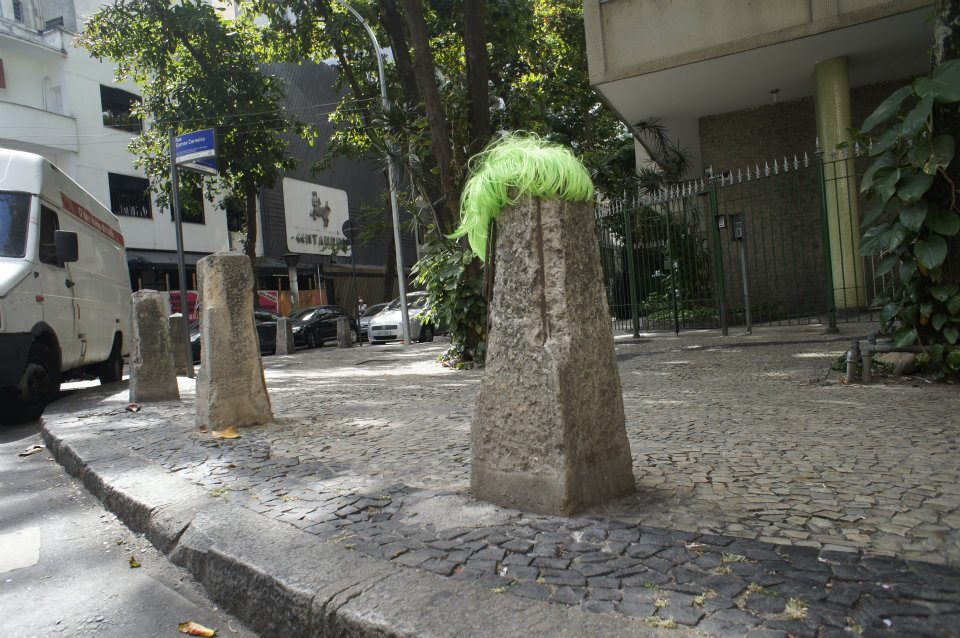
Whither pacification? Whither the drugs and guns?

Whither all of us…

How much can a city change? This is the question underlying doubts arising in the last two weeks regarding Rio’s public safety policy.

You may believe that the values, habits and assumptions of a city and its inhabitants, developed over the course of generations, are static; immutable. In this case, the police and politicans are forever corrupt and criminals are constantly crooked, while innocent citizens are always at the mercy of both. Rio’s 2008 public safety policy is for show, a temporary lockdown until the Olympics are done.

Or you may think that change occurs when systems no longer provide what they were created to do; when new demands crop up that they can’t meet. In this case, police and politicians become enlightened, criminals have fewer options, and innocent citizens find themselves called on to adapt their own values, habits and assumptions. Rio’s 2008 public safety policy is part of a larger socioeconomic turn of the tide and the fabrics of the city’s favelas and its formal neighborhoods are turning from patchwork to a single weave.

When the new public safety policy was conceived, officials knew that drug traffickers would flee to other favelas. Police occupation is announced beforehand, after all. Over the last three years we’ve seen criminals run to Complexo do Alemão and Rocinha, among others. Now that these have been occupied, the fallout is occurring within a wider radius.

State Public Safety Secretary José Mariano Beltrame admitted yesterday for the first time that increased crime in the city of Niterói, across the bay from Rio, is due to police pacification and occupation in the state capital. Military and civil police have also turned their sights on the mountain towns in the state of Rio de Janeiro, on Manguinhos and Jacarezinho favelas, and on allied activities of Rio and São Paulo traffickers, to transport drugs and weapons.

Manpower has always been an issue for public safety officials, and it’s gotten  more serious as the geography involved widens. Rocinha is now partly policed by new pacification police recruits, though it’s under BOPE (elite squad) command, still in the occupation phase.

“Is it possible to institute new police practices with police who are accustomed to the old ways?” asks Cecília Oliveira, communications coordinator for Redes de Desenvolvimento da Maré, a highly successful NGO in the Maré complex of favelas and housing projects, next on Beltrame’s list. “The new officers have sixty days of training, and the old ones, old practices,” she adds.

Corruption came to the fore in Rocinha, where it became clear that the police hadn’t occupied the authority vacuum left by trafficker Nem because they were on the take. It’s probably everywhere, to some extent. The fact that this week Mangueira favela shopkeepers followed an order (given by a cruising motorcyclist) to close as a sign of mourning for a deceased drug trafficker indicates similar troubles there.

Beltrame is grappling with both issues; today he was expected to announce a series of measures to deal with crime in and around Niterói.

Rio’s public safety policy is clearly messing with long-entrenched markets, attitudes and relationships, and many of the stacked dominoes aren’t in plain view. Drugs aren’t in the purview of favelas only, as a fellow combatant reminds us:

“When I was minister of defense, we were very successful. We took down all the members [on] the list of high-value targets in the drug trafficking, all of them. They are either in jail or dead. We confiscated unprecedented amounts of cocaine. We eradicated unprecedented amounts of hectares of coca, and the DEA director came here and congratulated me and congratulated our people, saying we are doing very well, ” Colombian president Juan Manuel Santos told the Washington Post this week.  “And you know how success was defined? By the price of cocaine in Los Angeles or in New York or in Washington. And so, because the price went up, we were being successful. But at the same time, if the price goes up, the incentive goes up. So there is a structured sort of contradiction in the whole setup.”

It’s probably exactly that incentive which has led competing drug gangs to pay off the cops and engage in warfare in Rocinha. Quite likely the success of   occupation and pacification rest on the state government’s ability to clamp down on this– a place so much at the heart of Rio de Janeiro.

Of course the two lines of thinking described above aren’t mutually exclusive. The picture is muddy, and the way we see it is colored by our experience and preconceived notions. Some of the actors are diehards, some are chameleons and maybe a few are Brazilian Galileos.

For now, Beltrame has the last word.

“I see that things may not be very good, but they’re better than they were,” he told O Globo newspaper yesterday.

Posted in Brazil, Transformation of Rio de Janeiro / Transformação do Rio de Janeiro | Tagged , , , , , , , | 1 Comment

Rio de Janeiro: novo destino para estrangeiros ambiciosos

Não mais um abrigo para aventureiros com viés criminal, a cidade atrai empreededores e sonhadores

For Rio: new locus of foreign ambition, click here

Nos anos 1970, o assaltante inglês a trem pagador Ronald Biggs tornou o Rio de Janeiro mundialmente conhecido como um esconderijo para fugitivos da lei. Na sua casa em Santa Teresa ele fazia churrascos para turistas, assim ganhando uns trocos para se sustentar.

Hoje em dia uma onda de estrangeiros invade a cidade, munidos de seus próprios recursos, para investir. Chegam com ideias e experiência empresarial. E churrasco no quintal não lhes interessa tanto como as tapas, os burritos, a comida de diner americano, ou gelato— novidades aqui.

Mas o Rio de Janeiro alimenta uma variedade de apetites. O primeiro perfil do RioRealblog de um estrangeiro com sonhos cariocas tem mais fome por ritmo e melodia do que por comida.

Nascida em Sarajevo, criada parcialmente no Kuwait, Devla Imperatrix (seu verdadeiro nome do meio, em homenagem à ópera Carmen Burana, de Karl Orff ) fala nada menos do que oito idiomas.

Possuída por samba

Após anos de dançar e ensinar flamenco na Europa, Devla veio para o Rio de Janeiro com samba na cabeça. Para sua surpresa, existia uma escola de samba com o home de Imperatriz Leopoldinense. Devla não tinha dúvida de que seu destino residisse em Ramos.

Na quadra da escola de samba no ano passado, logo veio um esporro na beldade de um metro e oitenta, por usar uma sandalia rasteira.  “Passista tem que usar salto,” avisou um diretor.

Sem demora, Elymar Santos percebeu o potencial da gringa

Devla não era passista– ainda. Com aulas de Carlinhos de Jesus, ela ganhou um lugar de destaque numa alegoria da Imperatriz no desfile de carnaval deste ano.

“Talvez eu tenha sido a primeira musa estrangeira num desfile de carnaval,” ela comenta. “Mas como eu sou fluente em português e me sinto possuída pelo samba, as pessoas não se deram conta!”

O desfile era outro desafio. O vestido da Devla ficou pronto apenas 45 minutos antes da entrada da escola de samba na avenida. A saia se desprendeu; dançarina e artista experiente, Devla se concentrou em movimentar os braços, transmitindo a magia do samba com o que ela chama de “uma presença contida”, até que conseguiu prendê-la.

Carnival "Muse"

Com um sonho já realizado, a Devla agora pensa em criar e apresentar uma fusão de dança cigana e o samba. Também, não acharia ruim ganhar um papel numa novela da Globo… e no meio tempo, ela utiliza suas habilidades e seu diploma em negócios internacionais na Global Vision Visas, especializada em soluções customizadas de imigração para empresas multinacionais de petróleo e gás.

Posted in Brasil, Brazil, Transformation of Rio de Janeiro / Transformação do Rio de Janeiro | Tagged , , , , , , | Leave a comment

Rio: new locus of foreign ambition

No longer an embezzler destination, the city draws entrepreneurs and dreamers

British train robber Ronald Biggs made Rio de Janeiro famous as a hideaway in the 1970s. To support himself and his family, he used to hold barbecues for tourists, at his Santa Teresa home.

Nowadays foreigners arrive in droves, armed with their own money to invest. They also have ideas and business experience. And they aren’t so much into backyard barbecue as tapas, burritos, diner fare, or gelatonovidades for many locals.

Yet Rio feeds all kinds of appetites. RioRealblog’s first profiled foreigner bearing carioca dreams is more hungry for rhythm and melody, than for food.

Born in Sarajevo, raised partly in Kuwait, Devla Imperatrix (her real middle name, honoring the Karl Orff opera Carmen Burana) speaks no less than eight languages.

Possessed by samba

After years of dancing and teaching flamenco in Europe, Devla came to Rio with samba in mind. To her surprise, a samba school existed by the name Imperatriz Leopoldinense, or Leopoldian Empress. Devla had no doubt her destiny lay in the North Zone Ramos neighborhood.

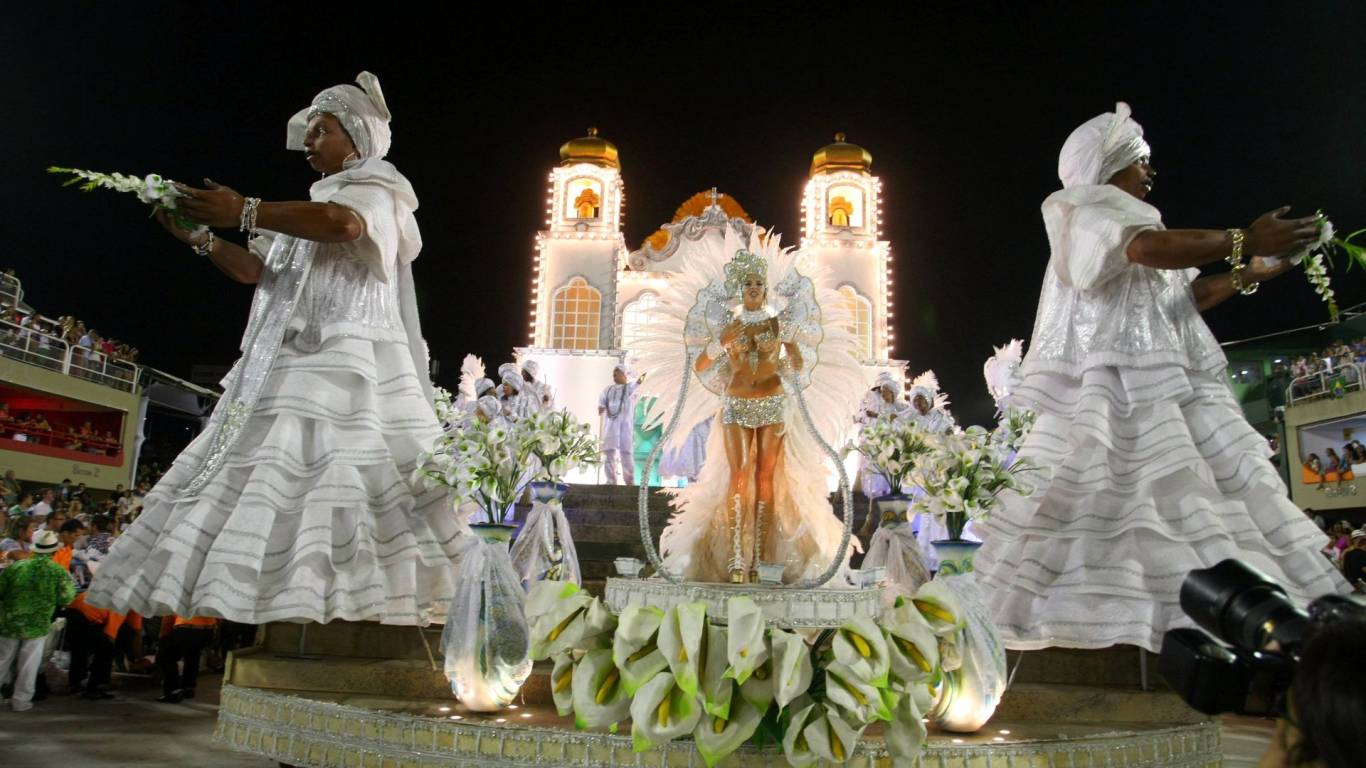
On the samba school’s dance floor last year, a director chewed out the 5-foot-ten-inch beauty for wearing flats. “A passista (official samba school dancer) has to wear heels,” he warned.

It didn't take long for Elymar Santos to see the gringa's potential

Devla wasn’t a passista— yet. After lessons from famed teacher Carlinhos de Jesus, she won a spot on an Imperatriz float in this year’s Carnival parade.

“I may have been the first foreign musa (muse) in a Carnival parade,” she notes. “But because I’m fluent in Portuguese and feel possessed by samba, people didn’t really notice!”

The parade was no slice of cake. Devla’s dress was ready only 45 minutes before the samba school began moving down the avenue. Her skirt came unpinned; experienced dancer and performer that she is, Devla focused on moving her arms, transmitting the magic of samba with what she calls “a contained presence”, until she could fix it.

Carnival "Muse"

One dream ticked off her list, Devla now aspires to create and perform a fusion of gypsy dancing and samba. She also wouldn’t mind a role in a Globo novela… and meanwhile, she’s using her business degree and savvy at Global Vision Visas, specializing in customized immigration solutions for multinational oil and gas companies.

Posted in Brazil, Transformation of Rio de Janeiro / Transformação do Rio de Janeiro | Tagged , , , , , , | 1 Comment

Pacificação: sujando as mãos

Bolsos suspeitos na Rocinha

For The Nitty Gritty of Pacification, click here

Tem gente?

[ATUALIZAÇÃO 4 de abril, 2012 — A polícia militar anunciou ontem que até sexta-feira, 700 homens e mulheres– contingente igual ao que é responsável pela segurança do Leblon — irá patrulhar as vielas da Rocinha. Hoje de madrugada um PM que patrulhava uma dessas vielas foi morto com um tiro, e a polícia está caçando o suspeito, supostamente um traficante de drogas. O novo comandante da Rocinha disse que as patrulhas juntam policiais de diferentes órgãos e de experiência variada.]

Um dia depois da ocupação policial da Rocinha em novembro passado, o jornal O Globo comemorou com a seguinte manchete na sua primeira página:  “A Rocinha é nossa”. Contudo, alguns outros grupos parecem estar se candidatando à posição de proprietário da favela mais populosa e mais visível da Zona Sul, que abriga por volta de 200 mil moradores.

De acordo com a imprensa local, duas gangues de narcotraficantes brigam pelo território, que está no páreo desde a prisão do traficante Nem dentro da mala de um carro, também em novembro passado. Assim se explicaria a maior parte dos oito homicídios que lá aconteceram desde a ocupação. Há um número crescente de assaltos, também. Não houve tal surto de crime em outras favelas pacificadas, mas observa-se problemas sim com corrupção policial e relações comunitárias.

A Rocinha não conta ainda com uma UPP. Cada uma das 19 unidades de pacificação policial se instalou apenas depois de se certificar o controle pleno do território pela polícia militar– o que certamente não é o caso na Rocinha. No meio da violência, alguns moradores sonham com a volta de um dono de morro de punho firme.

Mesmo assim, o governo estadual está longe de permitir um retorno ao passado. Na semana passada, o secretário estadual de Segurança Pública José Mariano Beltrame determinou que 130 recrutas novos farão estágio na Rocinha, providenciando mais mão de obra para uma anunciada força adicional de quarenta soldados, levando o contingente total a 350. A maioria deve patrular a pé os becos e vielas da favela.

Beltrame também nomeou um comandante da polícia militar responsável somente pela Rocinha.

No fim de fevereiro, o governador Sérgio Cabral assinou um decreto que requer que os policiais e bombeiros do estado  façam declarações anuais de seus bens pessoais.

Mas a polícia do Rio seria bem servida pela utilização do nivel de inteligência e coordenação tecnológica presente, de acordo com a imprensa,  no Complexo do Alemão, outro território problemático. Lá, foi apenas na semana passada que a polícia militar começou a substituir o Exército brasileiro, que no fim de novembro de 2010 invadira o complexo, respondendo a uma onda de incêndios de veículos que terrorizava a cidade.

Já existem algumas câmeras na Rocinha. Inteligência incrementada –e possivelmente, o compartilhamento eficaz de inteligência, poderiam ajudar a confirmar o que a revista Veja desta semana diz ser a verdadeira razão pela qual a Rocinha ainda não é “nossa”:

Um documento produzido pela Coordenadoria de Inteligência da Polícia Civil, datado de 15 de fevereiro deste ano, é tão sucinto quanto espantoso nas denúncias que traz. Em poder da Secretaria de Segurança Pública do Rio, que investiga seu conteúdo, o dossiê levanta suspeitas de que, de novo, policias estariam sendo coniventes com os marginais em troca de uma “caixinha” nada desprezível. O item 4 do relatório de dez tópicos  e duas páginas, ao qual VEJA teve acesso, dá os prováveis valores. A“entrada” seria de 200 000 reais. Já o “mensalinho” aos PMs, segundo o documento, chegaria a 80 000 reais. Em contrapartida, os policias estariam deixando de fiscalizar o emaranhado de becos e vielas, atendo-se apenas à rota das grandes vias que cortam o morro. 

As relações entre a Polícia Civil e a Polícia Militar estão supostamente estremecidas, como seria de se imaginar, pelo que a Veja publicou.

Já nos anos 1990, quando o antropólogo Luiz Eduardo Soares ocupava o cargo do Beltrame, durante o primeiro mandato do governador Anthony Garotinho,  já estava bem óbvia a dificuldade de policiar a cidade com mais de uma contingente. Além das polícias estaduais militar e civil, a cidade do Rio de Janeiro também conta com a polícia de trânsito (CET), e uma Guarda Municipal. O estado do Rio também tem a Polícia Rodoviária e  há ainda a Polícia Federal. Nem podemos esquecer a Polícia Florestal (que já prestou serviço  à ocupação).

Em 2009, Beltrame criou as Regiões Integradas de Segurança Pública, ou RISPs. As RISPs são uma ferramenta fundamental na queda das taxas de crime, pois o estado agora está dividido em regiões nas quais unidades das polícias civil e militar compartilham a responsabilidade por metas de redução de crime.

Neste ano, a Polícia Militar também instituiu cursos novos na academia policial, com foco na redução de corrupção e violência policial.

Alguns estudiosos na área de segurança e polícia afirmam que as RISPs não chegam a incentivar verdadeira coordenação, planejamento e avaliação, ou seja, um policiamento eficaz. Sugerem reformas institucionais mais radicais. Os próximos acontecimentos na Rocinha podem determinar a verdadeira necessidade disso.

E a Rocinha constitui apenas um de vários desafios territoriais diante da área de segurança pública. Além da atual troca de guarda no Alemão, o Complexo da Maré, Jacarezinho and Manguinhos estão no topo da lista de afazeres do Beltrame.

Não deixe de seguir RioRealblog no Twitter (@Riorealblog) e Facebook, e confira a página nova, ABECEDÁRIO!

Posted in Brasil, Transformation of Rio de Janeiro / Transformação do Rio de Janeiro | Tagged , , , , , , , , | Leave a comment

The nitty gritty of pacification

Suspicious pockets in Rocinha

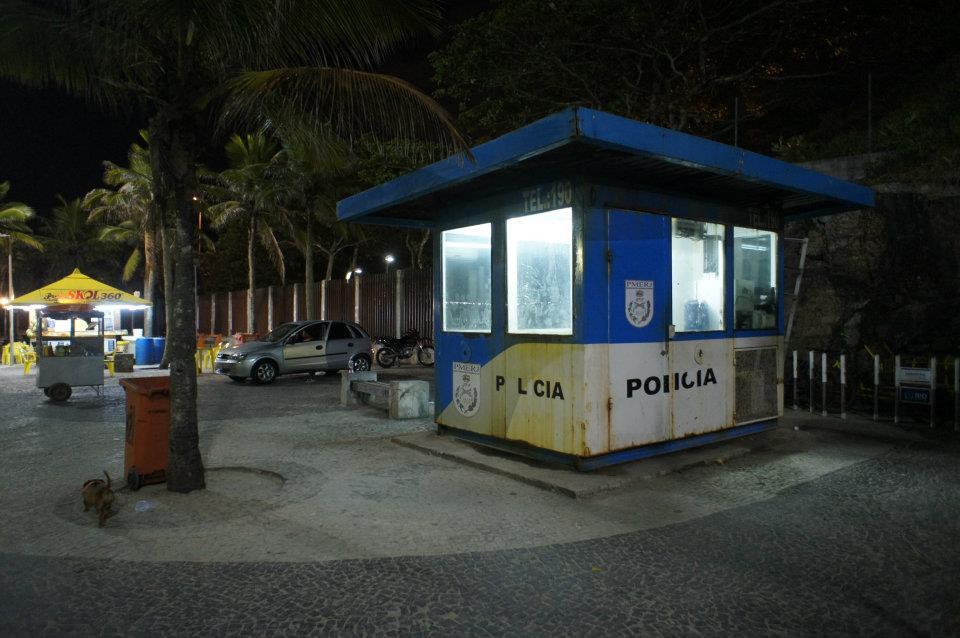
Knock knock

[UPDATE April 4, 2012 — Military police announced yesterday that by Friday, 700 men and women– the same number responsible for the public safety of the Leblon neighborhood– will be patrolling the alleys of Rocinha. Early this morning a patrolling cop was shot dead in one of those alleys, and police are now on a manhunt for his suspected killer, allegedly a drug trafficker. Rocinha’s new commander said the patrols will combine cops from different  units and with different professional experience.]

The day after Rocinha’s police occupation last November, O Globo newspaper announced to the world on its front page that Rocinha é nossa, Rocinha is ours. However, it seems that several other groups are contesting ownership of  the South Zone’s largest and most visible favela, with an estimated population of 200,000.

According to press reports, two drug gangs are fighting over the territory, up for grabs since druglord Nem was arrested in a car trunk, also last November. That’s the explanation for most of the eight murders that have taken place since occupation. Robberies are also on the rise. Such crime hasn’t been seen in other pacified favelas, though there have been problems with police corruption and community relations.

Rocinha doesn’t yet have a UPP, or police pacification unit. Each of the city’s nineteen units have been installed only after a territory is fully in control of the Rio police– certainly not the case here. Given the crime spike, some residents yearn for the return of an iron-fisted druglord.

Yet the state government is far from allowing a return to the past. This week State Public Safety Secretary José Mariano Beltrame announced that 130 new recruits will intern in Rocinha, bringing more manpower to an additional 40-man contingent and swelling the total force there to 350. Most are meant to carry out foot patrols in the favela’s alleyways.

Beltrame also named a military police commander responsible solely for Rocinha.

In late February, Governor Sérgio Cabral signed a decree requiring police and firemen to provide annual declarations of their personal assets.

But the Rio police might do well to extend to Rocinha the level of technological intelligence and coordination reportedly now being utilized in Complexo to Alemão, another troublesome territory. Only last week did the military police begin taking over Alemão from the Brazilian Army, which back in November 2010 had invaded the complex of favelas, in response to a series of vehicle torchings that terrorized the city.

There are already some cameras installed in Rocinha. Even better intelligence –and possibly, intelligence sharing– could help nail what this week’s Veja newsmagazine says is the real reason why Rocinha still isn’t “ours”:

A document produced by the Civil Police Intelligence Unit, dated February 15 of this year, is as succinct as it is shocking in its revelations. In the hands of the Rio Secretariat of Public Safety, which is investigating its contents, the dossier raises suspicions that once again, police are collaborating with criminals in exchange for a substantial “tip”. Item four of the ten-topic, two-page report, to which Veja had access, provides the probable sums. The “down payment” is said to be 200,000 reais (almost 120,000 dollars equivalent). And the monthly payments to military police, according to the document, come to 80,000 reais. In exchange for this, the police are said to be staying out of the alleyways, and keeping watch only over the larger byways that cut across the favela. 

Tensions between Rio’s civil (intelligence) police and its military (patrolling) police are reportedly running high, as one might imagine, given what Veja published.

As long ago as the 1990s, when anthropologist Luiz Eduardo Soares was in Beltrame’s job, during Governor Anthony Garotinho’s first term, it was clear that having more than one police force is problematic. In addition to the state-wide military and civil police forces, the city of Rio also has traffic police (CET), and a Municipal Guard. The state of Rio also has highway police and then there is Brazil’s FBI, the Federal Police. Oh, don’t forget the forest police (who have helped out with occupation).

In 2009, Beltrame created Integrated Public Safety Regions, or RISPs, by way of the Portuguese acronym. These have been instrumental in bringing down crime, since the state is now divided up into regions in which civil and military police units are jointly responsible for crime reduction goals.

This year the military police force also instituted a new police academy curriculum, with a focus on reduced police corruption and violence.

Some security and police experts say the RISPs aren’t enough to foster true coordination, planning and evaluation– i.e. effective policing. They suggest more radical institutional change. What happens next in Rocinha may determine how necessary that is.

And Rocinha constitutes only one of several enormous territorial challenges facing security officials. In addition to the ongoing military police handover of Alemão, Complexo da Maré, Jacarezinho and Manguinhos are high on Beltrame’s to-do list.

Don’t forget to follow RioRealblog on Twitter (@Riorealblog) and Facebook, and check out the new ABECEDÁRIO page!

Posted in Brazil, Transformation of Rio de Janeiro / Transformação do Rio de Janeiro | Tagged , , , , , , , , | Leave a comment

Stratfor reports on Rio de Janeiro published by Wikileaks

Para esse post em português, clique aqui

Not exactly

"Considerable portions of the labor pool are absorbed by the drug trade"--Stratfor

If you”re a conspiracy theory fan, it’s a great intelligence plot, a clandestine exchange of information about what’s going on in Brazil, a “Shadow CIA”. Stratfor, according to the Correio do Brasil newspaper, is exchanging information with O Globo newspaper.

“Stratfor says it’s a geopolitical analysis company, with a business model based on subscriptions. In effect, it provides a service simliar to that of government intelligence agencies,” says an article on the  UOL site.

That may be the case somewhere else. But not in Rio. On the contrary. There’s a lack of intelligence.

Wikileaks published Stratfor reports that anyone can subscribe to, for a fee. At the moment, because of the leak, Stratfor is making all reports available for free. Wikileaks also published internal Stratfor emails . Thus we discover that the person responsible for Brazilian news is Allison Fedirka. According to the LinkedIn professionals site, Allison lives in Argentina and actually works for Stratfor.

It’s not clear if she writes the reports on Rio. But whoever does could use a bit more information and some critical thinking. Could any foreigner living here think that the word favela really means self-made, as one company report claims?

There’s a lot that’s correct in the reports on pacification in Rio de Janeiro. Yes, the police are corrupt and poorly paid. Yes, they lack the manpower to cover the city’s needs fast and efficiently.

And there are some things, beyond etymology, that are wrong. The expansion of the pacification program, especially to Rocinha favela, didn’t provoke a backlash on the part of drug traffickers, as Stratfor predicted in a report last February. And the issue of militias isn’t restricted to a substitution of drug traffickers in occupied favelas, as the company would have its subscribers believe.

Reading a few Stratfor reports can be a useful exercise for those who live and work in Rio. The reports are built on a faulty premise. It’s a view that can be attributed to a mythology that’s still very prevalent among cariocas.

According to this view, carioca favelas are rife with criminals who have no other choices in life, people who’ll always be criminals, until they go to jail or die. The narcotrafficking gangs are monolithic and all-powerful. Favela residents who aren’t criminals are submissive sheep, incapable of judging events or people.

Such perceptions lead to writing that sounds more like a screenplay than an intelligence report:

Only [with the integration of favelas into the rest of the city] will the government have a decent chance of winning the trust of the favela dwellers, who are currently more likely to put their trust in the drug dealers for protection rather than in the police. Indeed, constituent support within the favelas is precisely what allows the drug traffickers to survive and sustain their businesses. Many of the drug traffickers being pursued in the current crackdowns are laying low and taking cover in homes within the favela and escaping to other favelas, usually through sewer tunnels and then into the dense surrounding forest, where they can rebuild their networks and continue their trade. Similar to combatants in an insurgency, members of criminal organizations will typically avoid combat, lay low and relocate their operations until the situation clears for them to return. 

                                                   — from a December 3, 2010 Stratfor report.

The poor author of these reports (yes, there’s a lot that’s right there, but trust in drug dealers is more fear than trust) isn’t to blame. The problem — among observers both foreign and native– is a lack of a critical reading of the current situation and its historical roots in Rio de Janeiro. It’s crucial to try and understand what’s really going on, in order to formulate effective public policy and to make our political choices.

recent blog post discussed some new ideas about urban crime and its repression. It may be, for example, that cell phones have had an enormous role in the ease with which the military police have taken over territory from drug traffickers. Maybe the lack of resistance is due to the fact that they can do business today without recourse to alleys, storefronts and weapons.

It could be that the gangs aren’t as powerful as we think. The excellent book Culture is Our Weapon: Making Music and Changing Lives in Rio de Janeiro, indicated a weakening way back in 2005. Who’s to say that the torching of cars and buses in 2010, which led to the Army invasion and occupation of Complexo do Alemão and Vila Cruzeiro, weren’t signs of despair, rather than power?

What’s the real reason for the growth in the crack market? Is it really because a prison buddy of bigtime drug trafficker Fernandinho Beira-Mar convinced him it would be a profitable business, as the press has reported?

We still don’t know the whole story of these favela/prison gangs and their allies from outside the favelas. We have a notion of the ties between militias and politicians, thanks to the existence of state representative Marcelo Freixo. But what about the ties among drug traffickers, politicians and others? Remember this? There’s more to the story.

Profound social change may be under way in Rio de Janeiro, with current and future implications. It’s social change with deep roots, carefully managed (not to mention repressed) since the 1896-7 Canudos War.

During the most recent debate about the city held by the OsteRio group, former congressman and minister Márcio Fortes observed that the 1970s were as auspicious a decade as the current one. Between 1970 e 1977, he said, investment was three times what it is today. Up went the Rio-Niterói bridge, the subway system, tunnels to Barra da Tijuca, and part of the elevated highwway that’s about to be demolished.

This was during the military dictatorship that arose in 1964 to avoid a Cuban-style revolution.

In the wake of the urban investments of the Brazilian Miracle, with an authoritarian government still in Brasília, the  labor populist Leonel Brizola was elected governor of Rio in 1983, soon after his return from exile.

At that time the South Zone belonged to the South Zone, which, Fortes reminded those present, “reacted with rancor to the 416 Line, which was the first bus line to come through the Rebouças Tunnel, bringing people from the periphery to South Zone beaches”.

According to Fortes, middle class reaction to the invasion by Rio’s poor was reflected in the carioca press, which gave ample coverage to urban dangers– sending the pillars of the local economy scurrying to São Paulo.  “Much of the responsibility for scaring off the banks and industry belongs to the press,” he said, “which to punish Brizola punished Rio de Janeiro with talk about beach arrastões and images of disorder.”

Cuba ended up not coming to Brazil. The carioca economy turned to ash. But in the last fifty years  the 416 Line has multiplied exponentially. Today there’s no way to stem the invasion; still, politicians and the press continue their cautious demand management.

Being careful not to believe cop and robber stories is key to the longevity of our auspicious moment. The real Rio is a complex place.

Click here for an Atlantic magazine article about Stratfor and Wikileaks.

Posted in Brasil, Brazil, Transformation of Rio de Janeiro / Transformação do Rio de Janeiro | Tagged , , , , , , , | Leave a comment

Relatórios Stratfor publicados sobre o Rio de Janeiro pelo Wikileaks

Não é bem assim

"Parte considerável da mão de obra disponível é absorvida pelo tráfico de drogas"--Stratfor

Para quem gosta de uma teoria de conspiração, trata-se de um complôt de inteligência, uma troca clandestina de informações sobre o que acontece no Brasil, uma “CIA das sombras”. A Stratfor, de acordo com o jornal Correio do Brasil, estaria trocando informações com o jornal O Globo.

“A Stratfor diz ser uma empresa de análise geopolítica, com um modelo de negócios baseado em assinaturas. Na prática, ela presta um serviço semelhante aos de agências governamentais de inteligência,” diz uma matéria no site da UOL.

Pode ser que seja o caso em algum outro lugar. Mas não  no Rio de Janeiro. Muito pelo contrário. Falta inteligência.

Wikileaks publicou relatórios Stratfor que qualquer um pode assinar, pagando uma taxa. No momento até, por causa do vazamento,  a Stratfor está disponibilizando seus relatórios de graça. Wikileaks publicou também emails internos da Stratfor. Assim, ficamos sabendo que quem responde pelas notícias brasileiras é Allison Fedirka. De acordo com a LinkedIn, Allison mora na Argentina e de fato trabalha pela Stratfor.

Não está claro se é ela quem escreve os relatórios sobre o Rio de Janeiro. Mas a quem quer que seja falta informação e pensamento crítico. Será que algum estrangeiro que mora aqui pensa que a palavra favela realmente quer dizer self-made, como afirma um relatório da empresa?

Há muita coisa que está certa nos relatórios sobre a pacificação do Rio de Janeiro. Sim, os policiais são corruptos e mal pagos. Sim, a policia carece de  gente suficiente para cobrir as necessidades da cidade com rapidez e agilidade.

E há algumas coisas, além de etimologia, erradas. A expansão da pacificação, sobretudo para a Rocinha, não suscitou uma reação violenta de parte dos traficantes de droga, como a Stratfor previa em fevereiro do ano passado. E a questão de milícias não se resume à substituição dos narcotraficantes por elas nas favelas ocupadas, como a empresa leva seus assinantes a crer.

A leitura de alguns relatórios da Stratfor pode até ser um exercício saudável para quem vive e trabalha no Rio de Janeiro. Neles, fica evidente uma visão falha. Esse padrão pode ser atribuído à mitologia ainda muito prevalente entre os cariocas.

De acordo com essa visão, as favelas cariocas abundam em criminosos que não têm outras opções de vida, pessoas que sempre serão criminosos, até a prisão ou a morte. As facções de narcotraficantes são monolíticas e todo poderosas. Os moradores de favela que não são bandidos são cordeiros submissos, incapazes de fazer uma leitura adequada de eventos e pessoas.

Tal visão leva a textos que mais parecem roteiros de cinema do que  relatórios de inteligência:

Somente [com a integração da favela com o resto da cidade] é que o governo terá uma chance decente de ganhar a confiança dos moradores de favela, que atualmente tendem a confiar mais na proteção dos narcotraficantes do que na polícia. Na verdade, o apoio dentro da favela é precisamente o que permite que os traficantes de droga sobrevivam e sustentem seus negócios. Muitos dos traficantes que são perseguidos na repressão atual ficam de low-profile, se escondendo em casas na favela e fugindo para outras favelas, geralmente por túneis de esgoto e então para a densa floresta dos arredores, onde podem reconstruir suas redes e continuar os negócios. Do mesmo jeito que fazem os combatentes em uma insurreição, os membros de organizações criminosas tipicamente evitam o combate. Ficam quietos e transferem a operação para outro local até que a situação permita sua volta.

                                                   — de um relatório Stratfor de 3 dezembro 2010.

O pobre autor desses relatórios (sim, há muita coisa certa aí, mas a confiança no traficante é mais medo do que confiança) não pode ser culpado. O que mais falta — tanto entre observadores estrangeiros como entre cariocas–  é uma leitura crítica da situação atual no Rio de Janeiro e de suas raízes históricas. Tentar entender o que realmente acontece é crucial para a formulação de políticas públicas adequadas, e para as escolhas políticas que fazemos.

Um post recente deste blog expôs algumas ideias novas sobre o crime urbano e sua repressão. Pode ser, por exemplo, que o telefone celular tenha tido um papel enorme na retomada dos territórios por parte da polícia militar, das mãos dos traficantes. Quem sabe a falta de reação desses se deve à facilidade com a qual hoje conduzem seus negócios sem recorrer a vielas, bocas e armas.

Pode ser que as facções não sejam tão poderosas como pensamos. O excelente livro A Cultura é a Nossa Arma: Afroreggae nas Favelas do Rio, já assinala um enfraquecimento delas, lá pelos idos de 2005. Quem diz que os carros e ônibus incendiados por eles em 2010, que suscitaram a invasão do exército no Complexo do Alemão e a Vila Cruzeiro, não eram sinais de desespero, em vez de força?

Qual o verdadeiro motivo do crescimento do mercado de crack? Seria realmente apenas porque um colega paulista de cadeia do traficante mor Fernandinho Beira-Mar o convenceu que seria um negócio lucrativo?

E ainda não sabemos a história toda sobre essas facções e seus aliados do asfalto. Temos alguma noção sobre as ligações entre milicianos e políticos, graças à existência do deputado estadual Marcelo Freixo. Mas e as ligações entre traficantes de droga, políticos e outros? Lembra disso? Resta muito a contar.

E pode ser que esteja acontecendo uma profunda mudança social no Rio de Janeiro,  com importantes reflexos atuais e futuros. É uma mudança social com raízes lá atrás, cuidadosamente administrada (para não dizer reprimida) desde a Guerra dos Canudos (1896-7).

No debate mais recente do grupo OsteRio sobre a cidade, o ex deputado e ministro Márcio Fortes observou que a década de 1970 foi tão auspiciosa para nossa cidade quanto a atual. Entre 1970 e 1977, ele disse, o investimento foi o triplo do de hoje. Fizeram-se a Ponte Rio-Niterói, o Metrô, os túneis para a Barra da Tijuca, e parte do elevado perimetral que esta para ser demolido agora.

Era a época da ditadura militar, que surgira em 1964 para segurar uma temida revolução à la Cuba.

Na esteira dos investimentos urbanos do milagre brasileiro, ainda com um governo autoritário em Brasília, chegou em 1983 ao governo estadual do Rio o trabalhista e populista Leonel Brizola, recém retornado do exílio.

Naquele tempo a Zona Sul era da Zona Sul, que, lembrou Fortes, “reagiu com rancor à linha 416, que era primeira linha de ônibus que passou pelo tunel Rebouças, trazendo suburbanos para a praia da Zona Sul”.

De acordo com Fortes, a reação da classe média à invasão dos suburbanos se refletiu na imprensa carioca, que dava ampla cobertura aos perigos urbanos– afugentando as pilares da economia local para São Paulo.  “Uma grande responsabilidade por espantar os bancos e a indústria foi da imprensa,” ele disse, “que para castigar o Brizola castigou o Rio de Janeiro com aquele negócio do arrastão, a imagem da desordem.”

A Cuba acabou não vindo para o Brasil. A economia carioca virou cinzas. Mas nos últimos cinquenta anos, a linha 416 se multiplicou exponencialmente. Não há como frear a invasão hoje; mesmo assim, políticos e imprensa continuam sua cautelosa administração de demandas.

Tomar cuidado para não acreditar em lorotas de tiras e bandidos é um passo fundamental para não estragar o nosso momento auspicioso. O Rio real é um lugar complexo.

Clique aqui para um artigo em inglês na revista The Atlantic, sobre Stratfor e Wikileaks.

Posted in Brasil, Transformation of Rio de Janeiro / Transformação do Rio de Janeiro | Tagged , , , , , , , , , | Leave a comment

Rio Metrô’s Line 4: public hearing lasts six hours

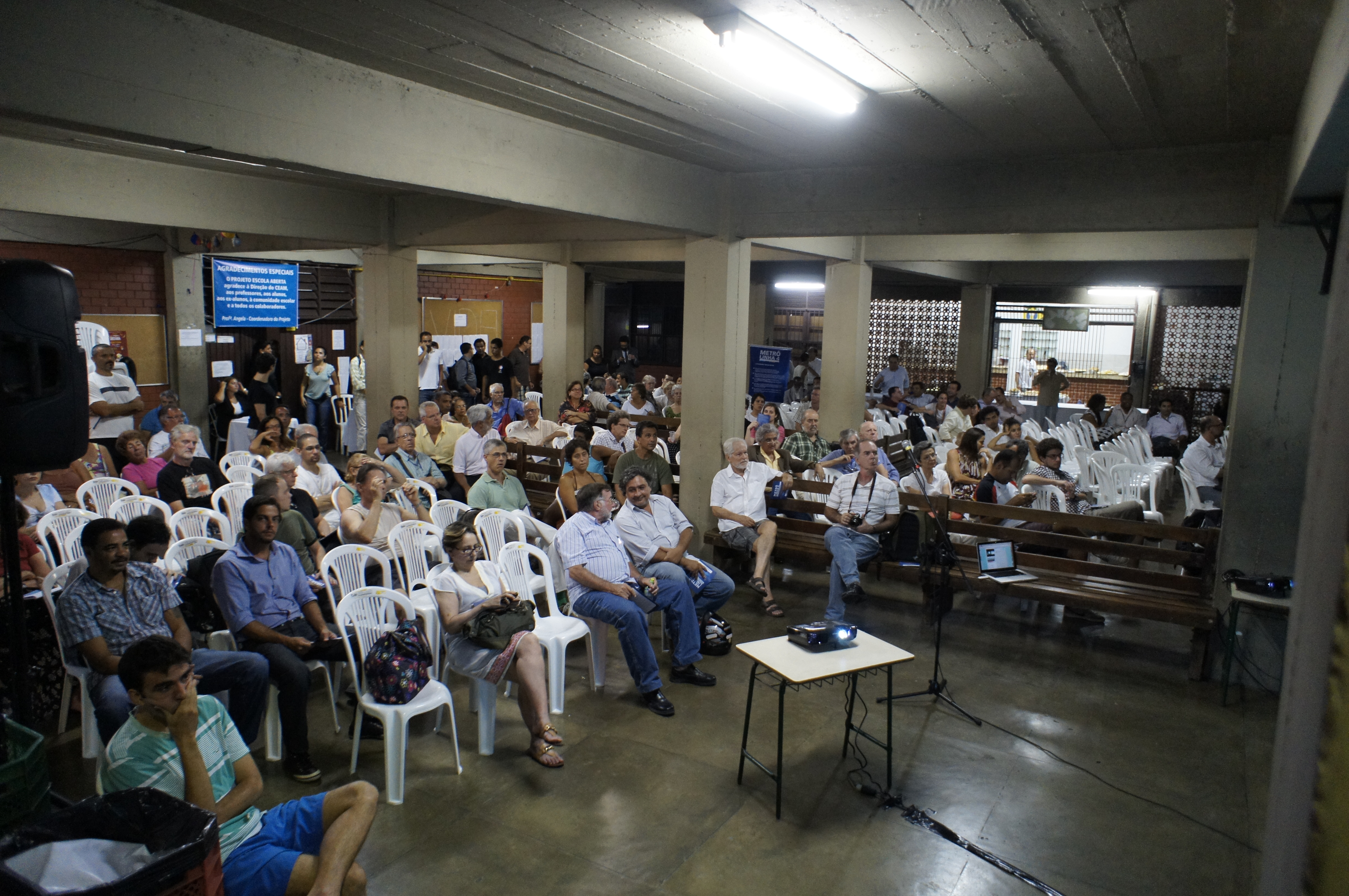
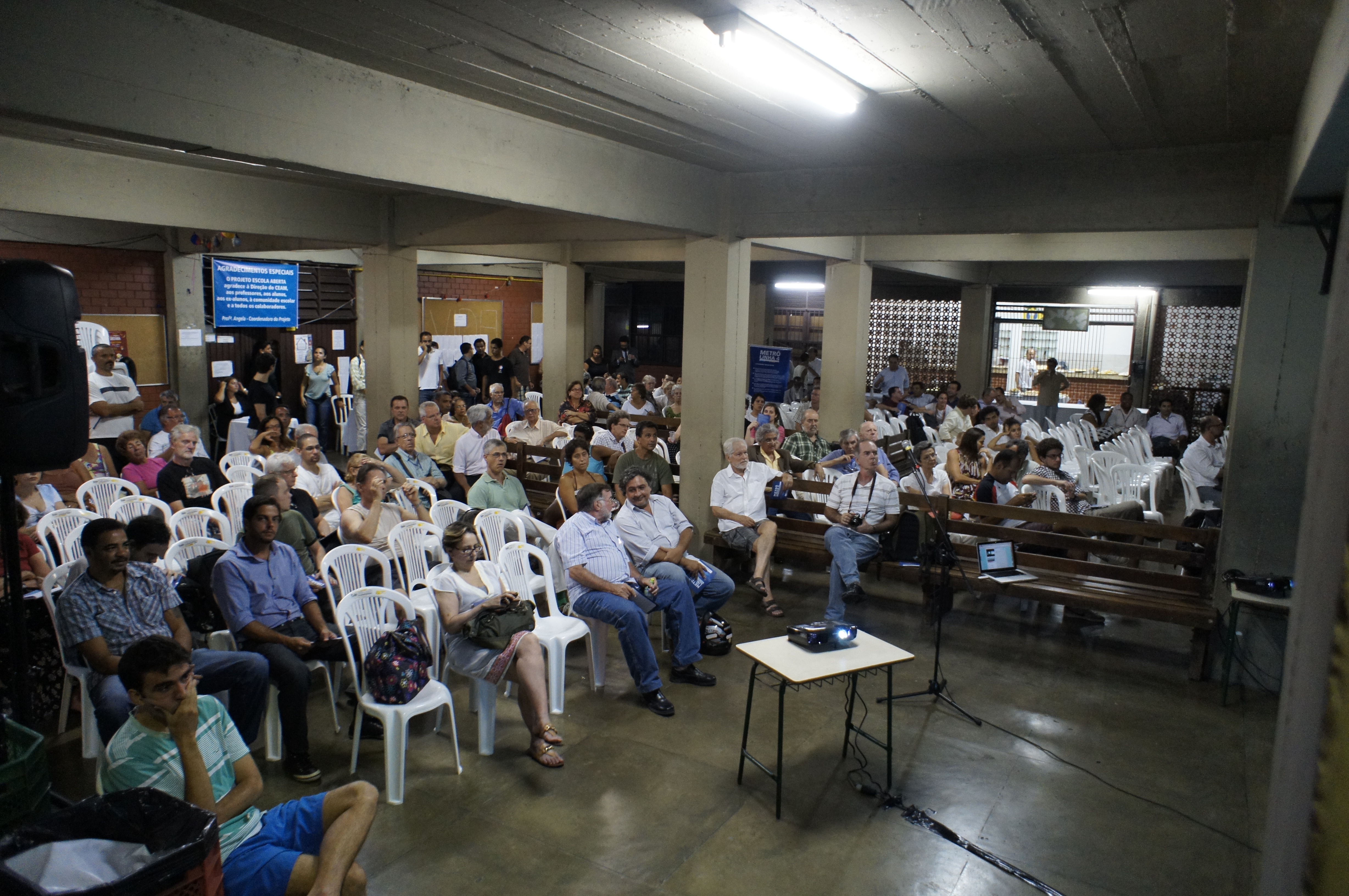
Spillover room, with screen

Para português, clique aqui

An estimated 300 people attended a public hearing about Line 4 of the Rio metro last night, at the André Mauroi public school in Gávea. After hours of exposition on the part of government officials, participants were at last able to question plans for the new line and the studies that underlie it. The hearing lasted six hours, ending around two a.m.

Here were the makings of a bloco samba for carnival — a subject that dominated the carioca media over the last two weeks. But the lights and cameras must have been in hangover mode. “It’s a big joke,” said Eduardo Sagessi, a prime defender of the Praça Nossa Senhora da Paz park in Ipanema, which the new line is set to pass through.

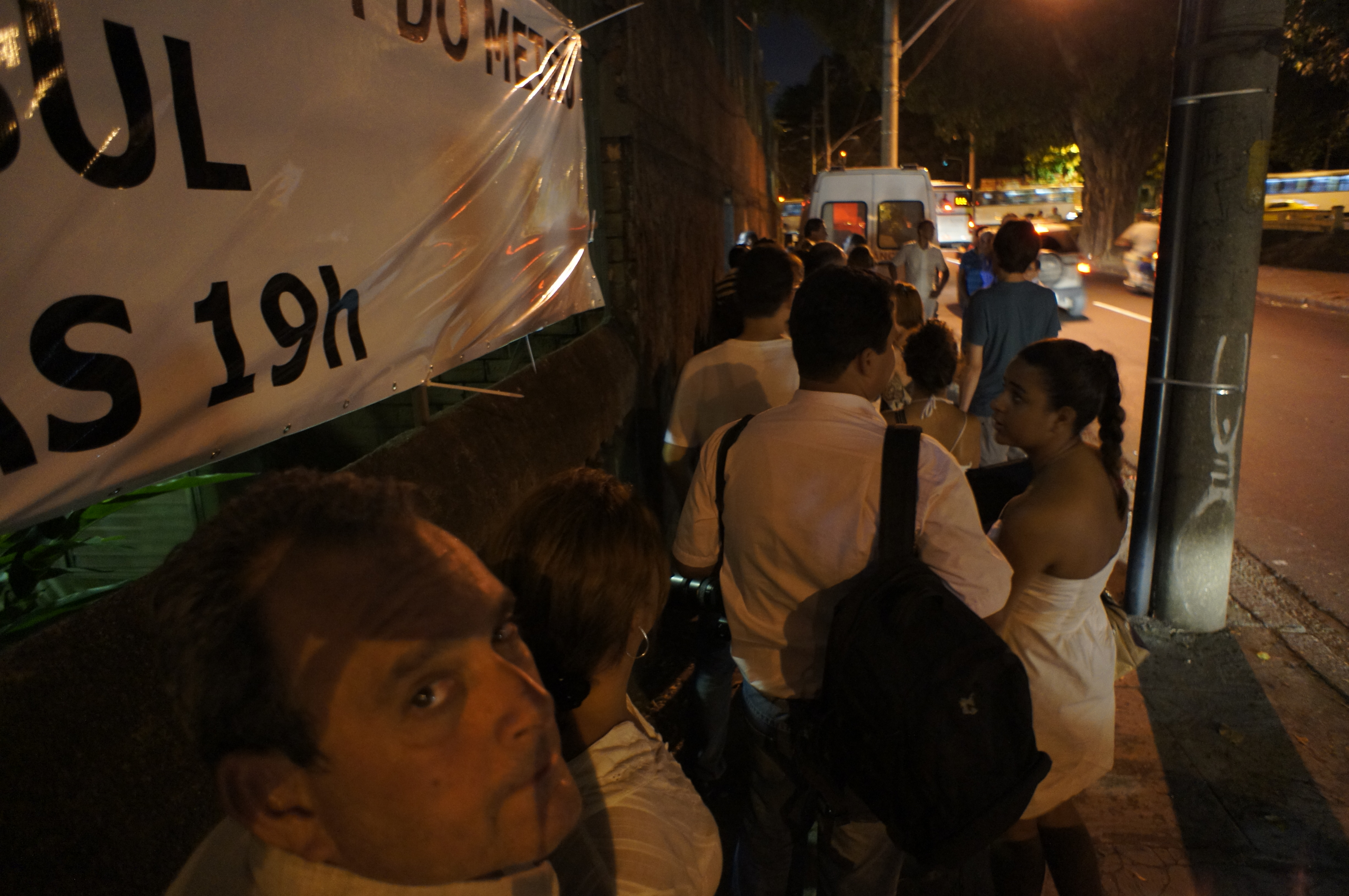
The line to sign the attendance book, before entering

The issue couldn’t be more serious. The original plan was for Line 4 to go through the neighborhoods of Jardim Botânico and Humaitá, en route to Barra. Now it will be a continuation of the existing line that ends in Ipanema at Praça General Osório, crossing Ipanema and Leblon. According to a study presented by the state government, there will be more tax revenue collected by way of the new plan, which cuts through a highly commercial area.

Do we want to concentrate business and urban demands even more than they already are?

RioRealblog wasn’t able to stay for the entire hearing. But there was time enough to discover that the demand study, performed by the renowned Getúlio Vargas Foundation, is based on a public opinion survey and obervations of current behavior as regards urban transportation choices.


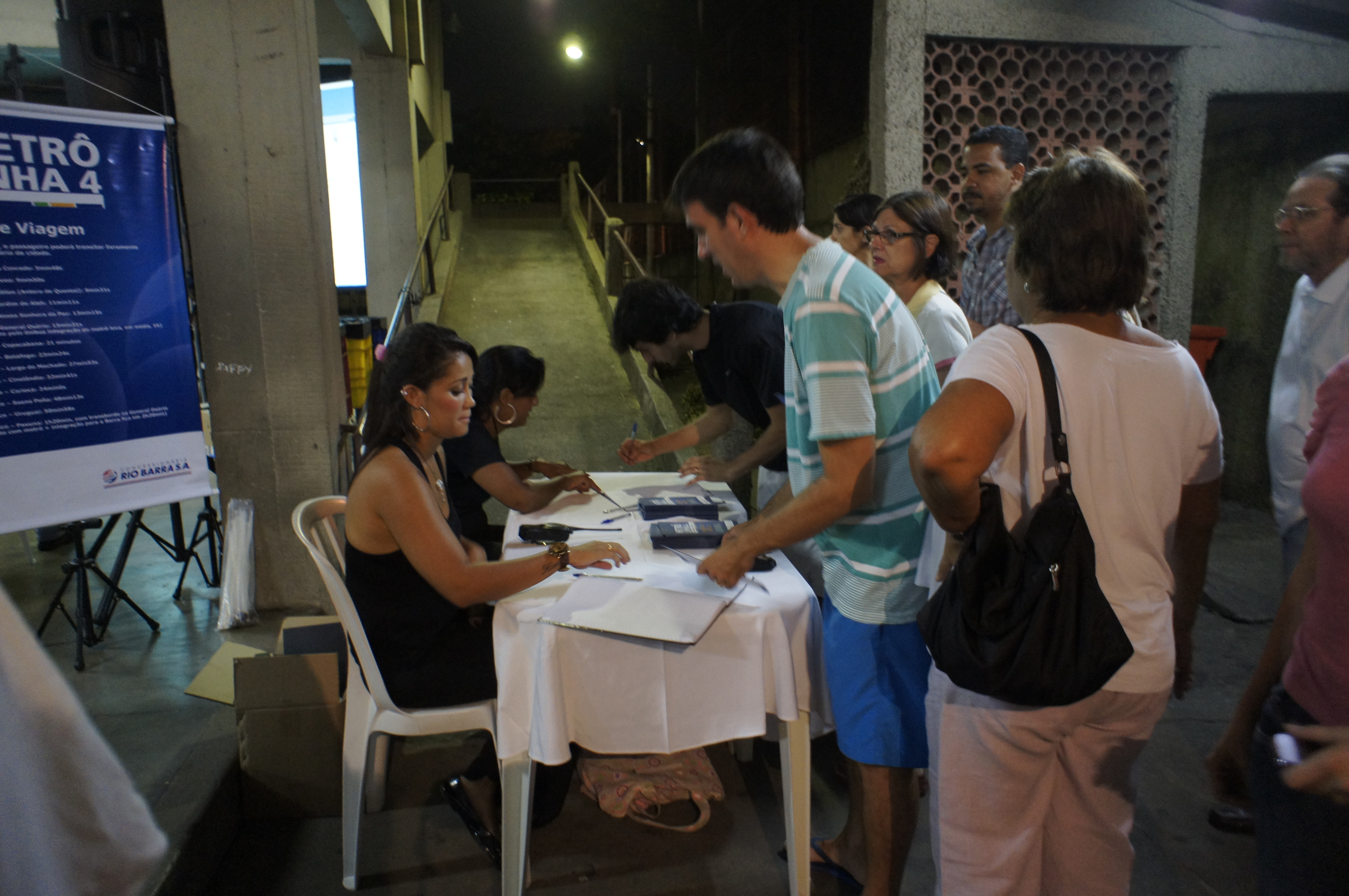
Identifying participants

Until about 8:30 p.m., the blog heard nothing about urban planning. In other words, nothing indicating any sort of vision of the future city. Consumer transport demand can change, given the dictates of public policy. Even if tons of people want to drive their cars this doesn’t mean a city should build more avenues. The same holds for the preferences seen in the FGV study.

The current trend in public policy is in fact to shape behavior so as to create sustainable, realistic environments. The book Nudge: Improving Decisions about Health, Wealth and Happiness ought to be required reading for any public policymaker.

Several specialists say that if current Line 4 plans are put into practice, there’ll be long lines to get on board trains in the South Zone, because the cars will fill up in Barra. This is already the case in São Paulo. Linear mass transit causes this. Networked lines, as in New York and Paris, lessen this.

Unfortunately, complete coverage wasn’t possible. But MeuRio, a new NGO that promotes more participation in local public policy, stayed to the end and carried out many interviews, including one with state Transportation Secretary Julio Bueno. He’s the guy who quietly hung on to his job after the tragic bonde accident in Santa Teresa last year, caused by poor maintenance and low investment.

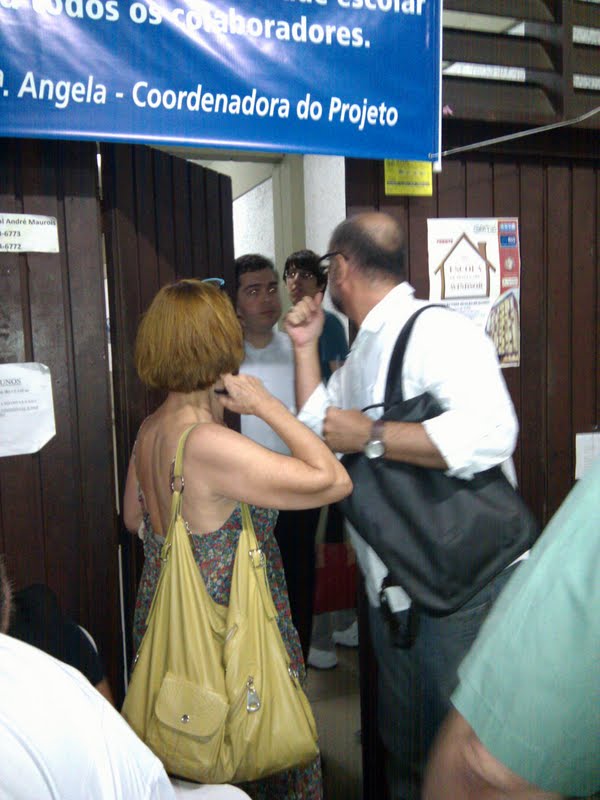
Half-closed doors to community participation

According to Meu Rio (whose coverage is here), at the end of yesterday’s session the attendees asked for an additional hearing, but the government didn’t seem very interested. Due to decades if not centuries of authoritarianism, Brazil has little experience with community participation. Now, as Rio makes a comeback, is the time to band together and push for decisions that are just and enlightened. Go to the Meu Rio site, sign yourself up, and let’s samba– in all seriousness.

Posted in Brasil, Brazil, Transformation of Rio de Janeiro / Transformação do Rio de Janeiro | Tagged , | 2 Comments

Metrô Linha 4: audiência pública dura seis horas

Sala com telão

Estima-se que havia em torno de trezentas pessoas presentes ontem à noite na Escola André Maurois, na Gávea, para assistir à audiência pública sobre a Linha 4 do Metrô. Depois de horas de exposição por parte das autoridades, os participantes puderam questionar o traçado da nova linha e os estudos que o sustentam. Ao todo, a audiência durou seis horas, terminando por volta das duas da manhã.

Bem que os elementos davam para compor um samba e constituir um bloco de carnaval– assunto que ocupou a mídia carioca nas últimas duas semanas. Mas holofotes e câmeras estavam de ressaca. “É uma palhaçada,” disse Eduardo Sagessi, grande defensor da Praça Nossa Senhora da Paz, em Ipanema, por onde passa o traçado.

Fila para assinar livro de presença, antes de entrar

Trata-se de uma questão seríssima. O traçado original para a Linha 4 passava pelos bairros de Jardim Botânico e Humaitá, a caminho da Barra. Agora será uma continuação da linha existente que termina em Ipanema na Praça General Osório, cruzando Ipanema e Leblon. De acordo com um estudo apresentado pelo governo estadual, haverá mais arrecadação de imposto com o novo traçado, que corta uma região altamente comercial.

Queremos concentrar negócios e demandas urbanas mais do que já estão?

RioRealblog não pôde assistir à audiência toda. Mas deu para ouvir também que o estudo de demanda, elaborado pela renomada Fundação Getúlio Vargas, se baseou em pesquisa de opinião e observações de comportamento atual em matéria de transporte urbano.

Identificação dos participantes

Até a hora de ir embora, o blog não ouviu nada em termos de planejamento urbano. Ou seja, nada que indicasse alguma espécie de visão da cidade futura. A demanda do consumidor de transporte público pode mudar, em função de  políticas públicas. Mesmo que muita gente queira andar de carro não é preciso construir mais avenidas. O mesmo vale pelas preferências assinaladas pela pesquisa da FGV.

A tendência atual em políticas públicas é justamente de moldar comportamentos para se chegar a ambientes sustentáveis e realistas. O livro Nudge: O empurrão para a escolha certa deveria ser leitura obrigatória para qualquer autoridade de gestão pública.

Vários especialistas dizem que se o traçado pretendido da Linha 4 se concretizar, teremos longas filas de embarque na Zona Sul, pois os trens irão chegar repletos da Barra nas horas de pique. Isso já acontece em São Paulo. Metrô linear dá nisso. Metrô em rede, como em Nova York ou Paris, menos.

Infelizmente não deu para fazer uma cobertura completa. Mas MeuRio, uma nova ONG que promove mais participação nas políticas públicas no Rio de Janeiro, ficou até o fim e entrevistou muita gente, inclusive o Secretário de Transportes Julio Bueno. É ele que ficou no cargo sem maiores explicações, depois do trágico acidente de bonde em Santa Teresa no ano passado, fruto de falta de manutenção e investimento no sistema.

As portas semi-cerradas à participação comunitária

De acordo com Meu Rio (cuja cobertura está aqui), no fim da sessão de ontem os participantes pediram mais uma audiência, mas o governo não parecia estar disposto a isso. O Brasil engatinha no âmbito de participação comunitária, devido a séculos de autoritarismo. Agora, com a revitalização do Rio, é a hora de se juntar e promover decisões justas e esclarecidas. Entre no site de MeuRio, inscreva-se, e vamos sambar– com toda seriedade.

Posted in Brasil, Transformation of Rio de Janeiro / Transformação do Rio de Janeiro | Tagged , | 3 Comments

Carnival 2012, a roundup

The masks are off, daylight savings time is done; the year has begun in Rio de Janeiro

Perhaps because of the recession in Europe and the U.S. (and the overvalued real), Rio saw no growth in Carnival attendance statistics from last year (one million visitors, approximately) to this one. Official totals aren’t out yet, but the military police calculate that as many as five million danced in the streets in blocos– same as last year. Even so, the streets of Ipanema– a Carnival magnet–  were filled with foreigners and Brazilians from other parts of the country. 

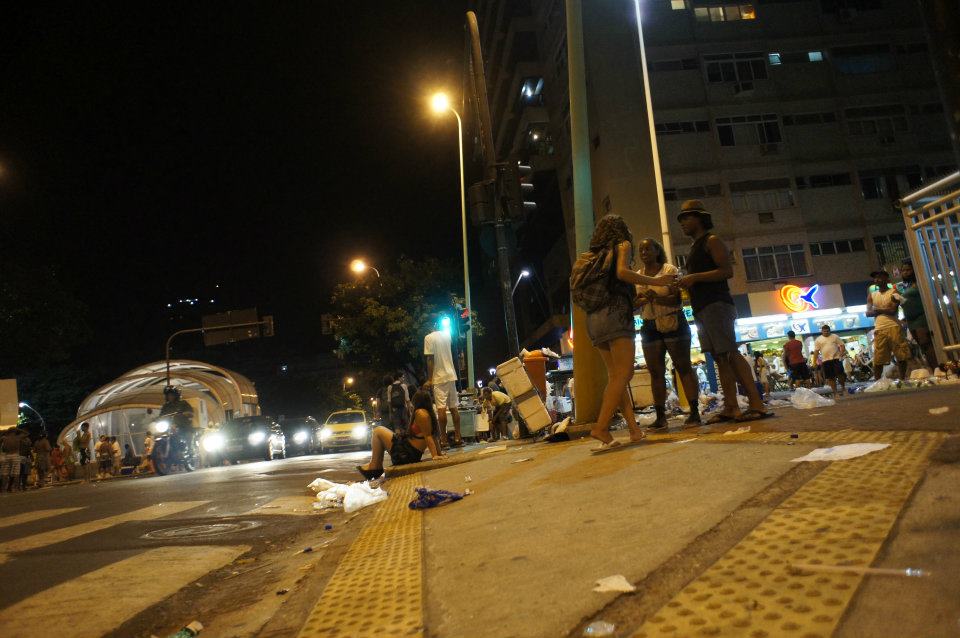
And though the city put out a reported 150% more porta-potties, up to 15,000 units, residents complain of those who didn’t use them and the resulting stench. After every bloco went by, streets were covered in trash; thankfully Comlurb, the city trash pickup company, got that all that confetti swept up amazingly fast.

Not just confetti

The Sambadrome, not quite fully remodeled, saw no disasters during the two nights of Carnival parades by samba schools, though some floats were briefly stuck at the initial turn in the avenue, which is tighter than before. And a strike by construction workers nixed some spectator seats.

Notably, public safety hasn’t been an issue, except for one parade night with a nearby shootout between pacification police and drug traffickers. One teenager died and police wounded and arrested a man who is reportedly the local drug trafficker. Morro de São Carlos, the pacified favela where this took place, hasn’t fully taken to pacification, with police recently arrested for taking bribes.

Antônio Pedro Figueira de Mello, Tourism Secretary, told O Globo that next year more blocos will be shifted to other parts of the city, outside the South Zone. Afroreggae, the music NGO that works to help young men leave drug trafficking and to keep children from going into it, drew up to 200,000 revelers on Ipanema’s seaside avenue. “This not viable,” Figueira de Mello said.

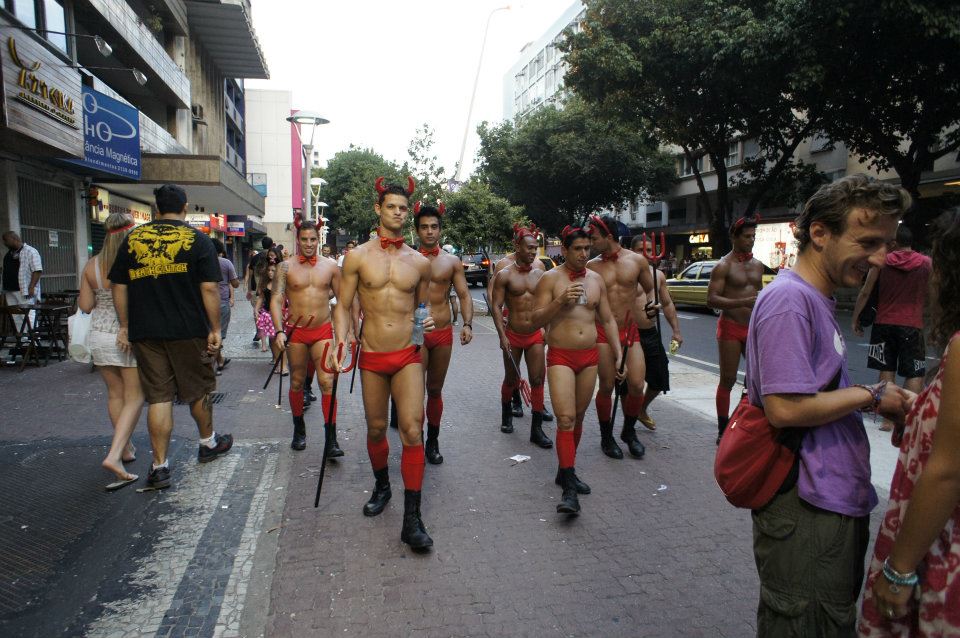
The devil makes you do it

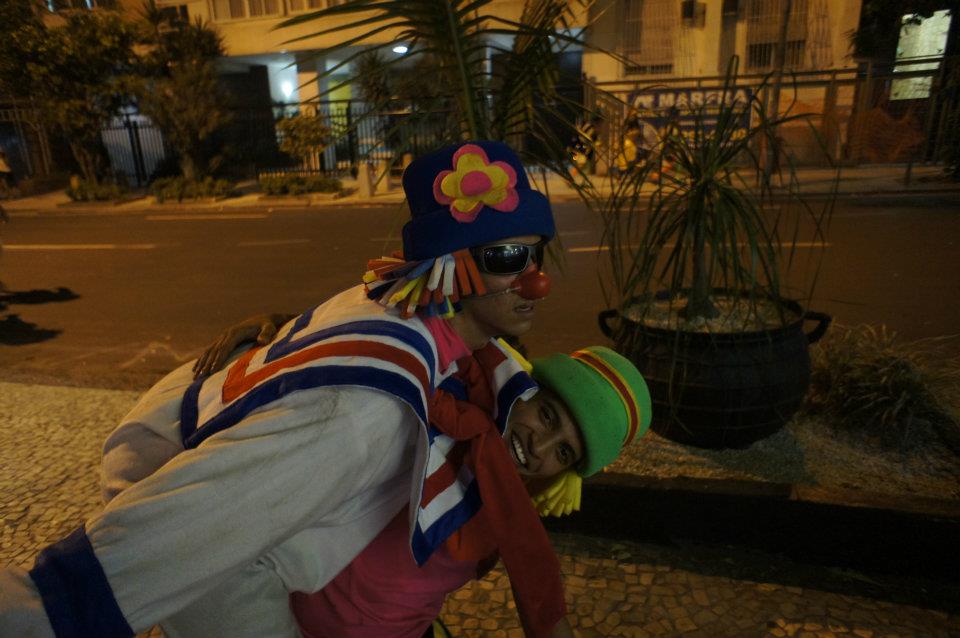
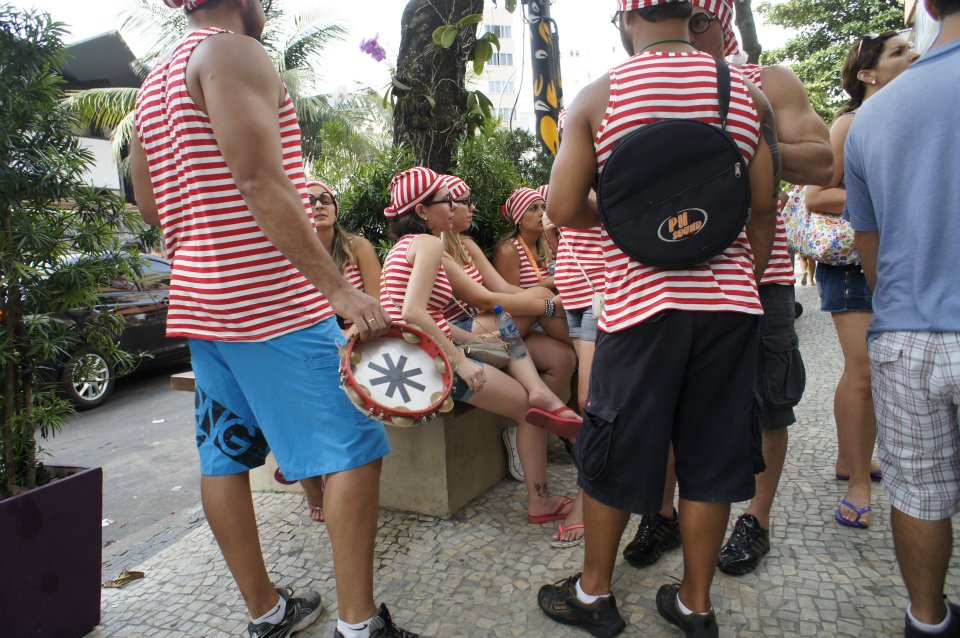
More and more, residents and visitors alike make a distinction between the gargantuan claustrophobia-producing blocos such as Simpatia é Amor and Carmelitas, whose drunken participants can become vandals; and smaller blocos where everyone knows each other as well as all the lyrics. Many cariocas say they like to watch blocos from their windows, safe, unsweaty and unsquashed. Others adore the challenge of dressing up with groups of friends, and the romance of chance encounters.

While an Ipanema neighborhood safety association says it will demand that the attorney general’s office prohibit alcohol sales during bloco parades, secretary Figueira de Mello said that Carnival sponsorship by Ambev, Brazil’s soft drinks and beer multinational, would continue. “No chance, beer has everything to do with Carnival,” he told O Globo. In a full page Globo interview in today, Mayor Eduardo Paes said the city will require 2013 Carnival sponsors to “solve the problem of where street vendors sleep”.

Every morning during Carnival, entire families, camped out in beach chairs on the median strips of the seaside avenues of Ipanema and Leblon, could be seen breakfasting on traditional mortadella sandwiches. They shared space with rows of porta-potties and huge plastic bags filled with crushed aluminum cans ready for pickup.

Paes also hopes to reduce the participation of numbers game bosses in Carnival funding and organization. The city has been investing in the infrastructure of samba schools, he added, which he says receive sufficient funding from ticket sales, TV transmission rights and private sponsorship (one school this year had yogurt as a theme).

Already, city officials and the tourism industry are looking ahead to the next megaevents, as a papal envoy arrives tomorrow for a Lenten look-see in advance of the Pope’s July 2013 visit.

The very next big thing will be this June: the U.N. environmental meeting Rio + 20, with 150 heads of state and at least 50,000 delegates expected to attend. They will probably drink less beer.

Until next year

Posted in Brazil, Transformation of Rio de Janeiro / Transformação do Rio de Janeiro | Tagged , , | Leave a comment