Gastos não tão olímpicos, por enquanto

Dia 24 de setembro, O Globo relatou que o total de gastos previstos no ano que vem para as Olimpíadas de 2016 somam R$ 3,7 bilhões. Isto inclui recursos federais, estaduais, municipais e do setor privado em parceria com o governo. O número, que pagará a reforma do estádio do Maracanã, a implantação de corredores de ônibus articulados, a expansão de ciclovias e a urbanização de favelas, entre outros projetos, impressiona. Mas uma rápida pesquisa no Google mostra que o montante será apenas um bom começo.

De acordo com o newsletter do FMI  “Finance and Development”,

“As projeções orçamentárias nunca são suficientes para cobrir os verdadeiros custos [das Olimpíadas]. Inicialmente, Atenas projetou que seus jogos iriam custar US$ 1,6 bilhões, mas acabaram custando em torno de US$ 16 bilhões (incluindo os custos dos equipamentos e de infrastrutura). Pequim projetou custos de US$ 1,6 bilhões (o orçamento de custos operacionais do comitê organizador dos jogos de Pequim), porém o gasto final foi de US$ 40 bilhões, incluindo despesas em equipamentos e infrastrutura, tais como a expansão do metrô de Pequim.”

E, de acordo com o jornal londrino Daily Telegraph, o Reino Unido está gastando um total equivalente a R$ 25 bilhões em dinheiro público para os jogos de 2012. O primeiro parágrafo da matéria, publicada em setembro, é de arrepiar: “Londres ganhou o direito de hospedar as Olimpíadas de 2012 com a economia a todo vapor e a bolsa em 5.229 no índice FTSE 100. Cinco anos mais tarde, depois de uma das recessões mais profundas da história, e com a bolsa ainda lutando para ir além de 5.500, o valor dos Jogos para as empresas britânicas evoluiu até um ponto que poucos teriam imaginado.”

O Brasil está atualmente… com a economia a todo vapor. E, como os ingleses descobriram, muita coisa pode acontecer em seis anos.  Mas pelo menos os Jogos terão um impacto positivo para as empresas britânicas, sobretudo na área de construção, o que também deve ser o caso no Rio de Janeiro. Na Inglaterra, diz o Daily Telegraph, o saldo positivo é muito mais bem-vindo agora do que se esperava na época em que Londres ganhou as Olimpíadas.

Quanto será o total? Qual será o efeito das Olimpíadas nas finanças do Rio de Janeiro? Como estará o Brasil daqui a seis anos? Riorealblog voltará a estas questões logo que possível.

Posted in Transformation of Rio de Janeiro / Transformação do Rio de Janeiro | Tagged , , , , , | Leave a comment

Olympic spending not in the clouds, yet

O Globo reported Sept. 24 that total planned spending next year on the 2016 Olympics will be US$ 2.2 billion, equivalent. This includes federal, state, city and private sector spending in partnership with the government. The earmarked funds, which will pay for the remodeling of the Maracanã soccer stadium, new express bus corridors, additional bike paths and upgrades for all of Rio’s favelas, among other projects, seem impressive at first. But a simple Google search shows that this merely represents a good start.

According to the International Monetary Fund’s Finance and Development newsletter,

“Projected [Olympic] budgets are never enough to cover actual costs. Athens initially projected that its games would cost $1.6 billion, but they ended up costing closer to $16 billion (including facility and infrastructure costs). Beijing projected costs of $1.6 billion (the operating cost budget of the Beijing Organizing Committee for the Olympic Games), but the final price tag was $40 billion, including facility and infrastructure expenditures such as expansion of the Beijing subway system.”

And, according to the Daily Telegraph, London is spending almost US$ 15 billion equivalent on the 2012 Olympics in public funding. The first paragraph of the article, published this month, brings a chill to the spine: “London won the right to host the 2012 Olympics with the economy booming and the FTSE 100 at 5,229. Five years later, following one of the deepest recessions in history and with the stock market still struggling to clear 5,500, the value of the Games to British businesses has evolved to an extent few could have imagined.”

Brazil’s economy is, well, booming. And, as the British have discovered, a great deal can come to pass in six years. But it is reassuring to read on in the Daily Telegraph, which says that the Games will have a positive impact for UK business, especially for the construction industry, which is likely to also be the case in Rio.  The income is much more important now for the UK economy than it was back when London won the Olympics.

How much will the total tab be, in Rio? What effect will the Olympics have on Rio de Janeiro’s finances? And what will Brazil be like in six years? Riorealblog will return to these questions as soon as possible.

Posted in Transformation of Rio de Janeiro / Transformação do Rio de Janeiro | Tagged , , , , , , , | Leave a comment

Celebrating the new Lapa / a nova Lapa é uma festa só

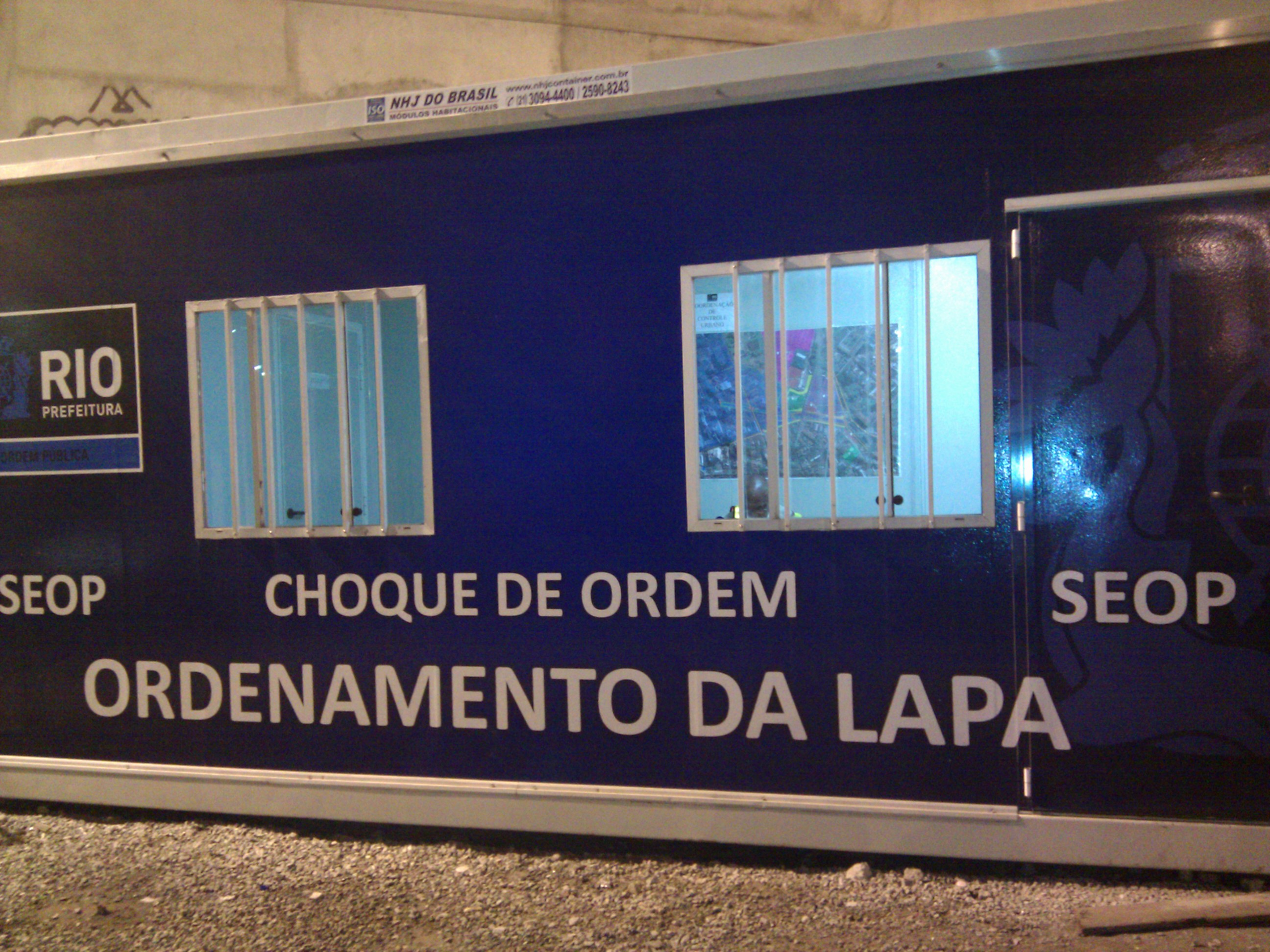
Cleaning up, opening up and ordering Lapa is just one part of mayor Paes’ choque de ordem, or “shock of order”. He’s also used the term on Rio’s beaches, for parking violators and in a number of other cases. It was bandied about by his predecessors, who would apply the “shock” on taking office, or as a short-term response to a particularly untenable situation. But the electricity always died down after a few weeks or months, with the city returning to its old unruly ways. Paes’ shocks have lasted for over a year. Maybe they ought to get a new name.

Limpar, abrir e organizar a Lapa é apenas uma parte do “choque de ordem” do prefeito Eduardo Paes. Ele também já utilizou esse termo nas praias cariocas, em casos de carros estacionados em áreas proibidas, e em várias outras circunstâncias. Os prefeitos anteriores usavam o termo, aplicando o “choque” na hora de tomar posse, ou como uma resposta de curto prazo a alguma situação limítrofe. Mais os choques, como uma boa novela, sempre chegavam ao fim, e a cidade voltava a seus maus hábitos anteriores. Os choques de Paes já duram mais de um ano. Talvez seja a hora de mudar de nome.

From aqueduct to viaduct to portal to Rio's best nightlife

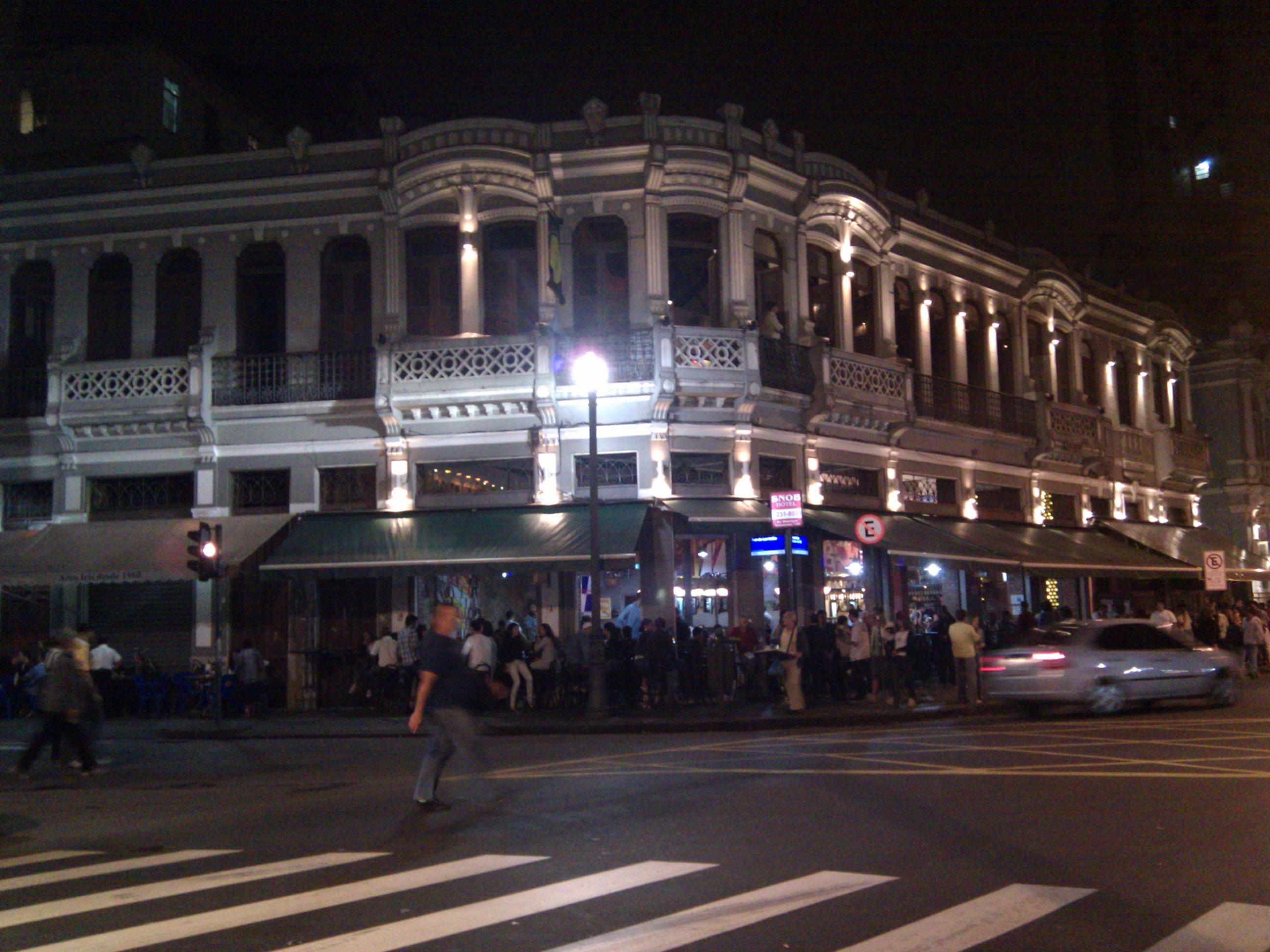
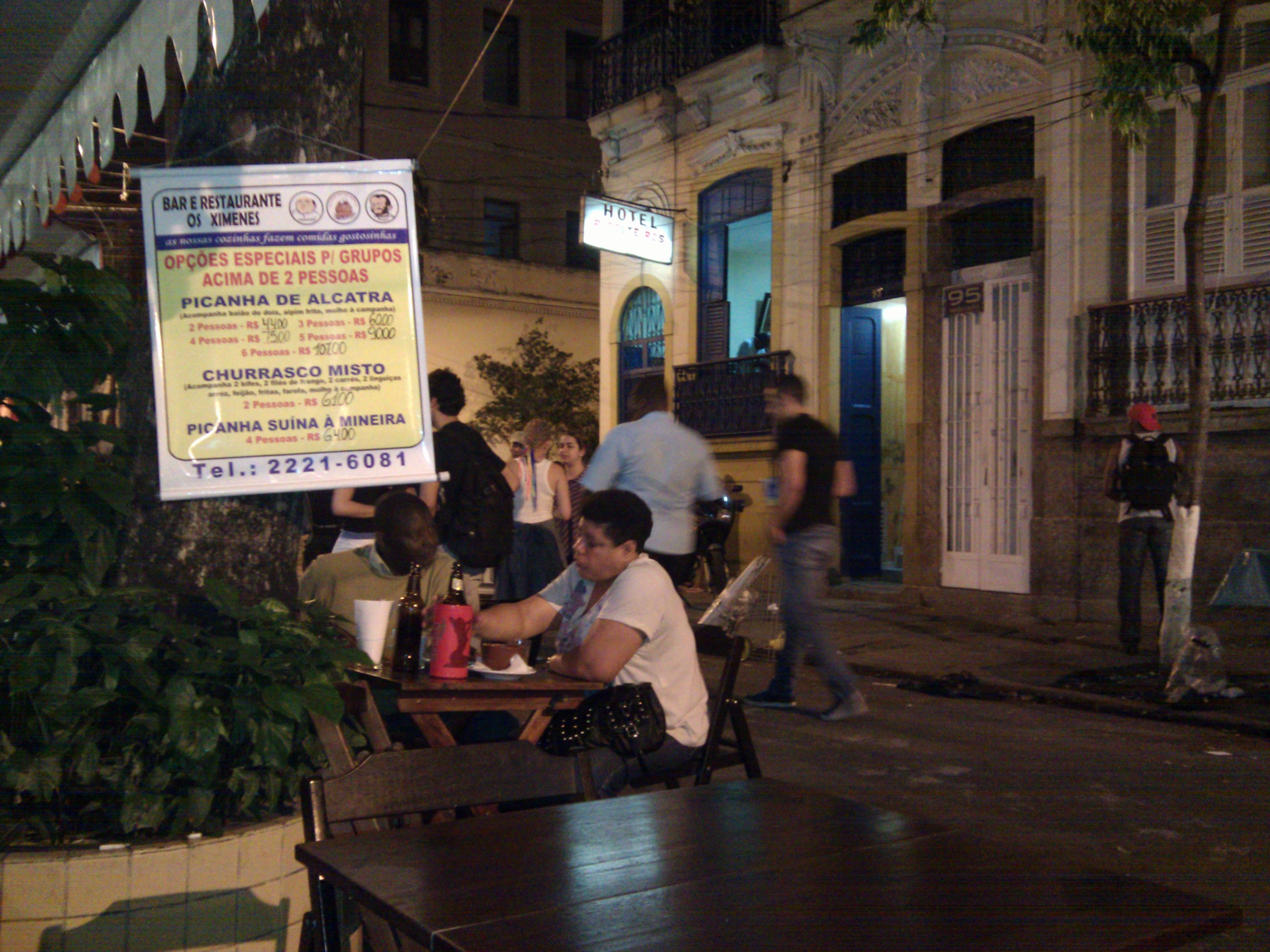
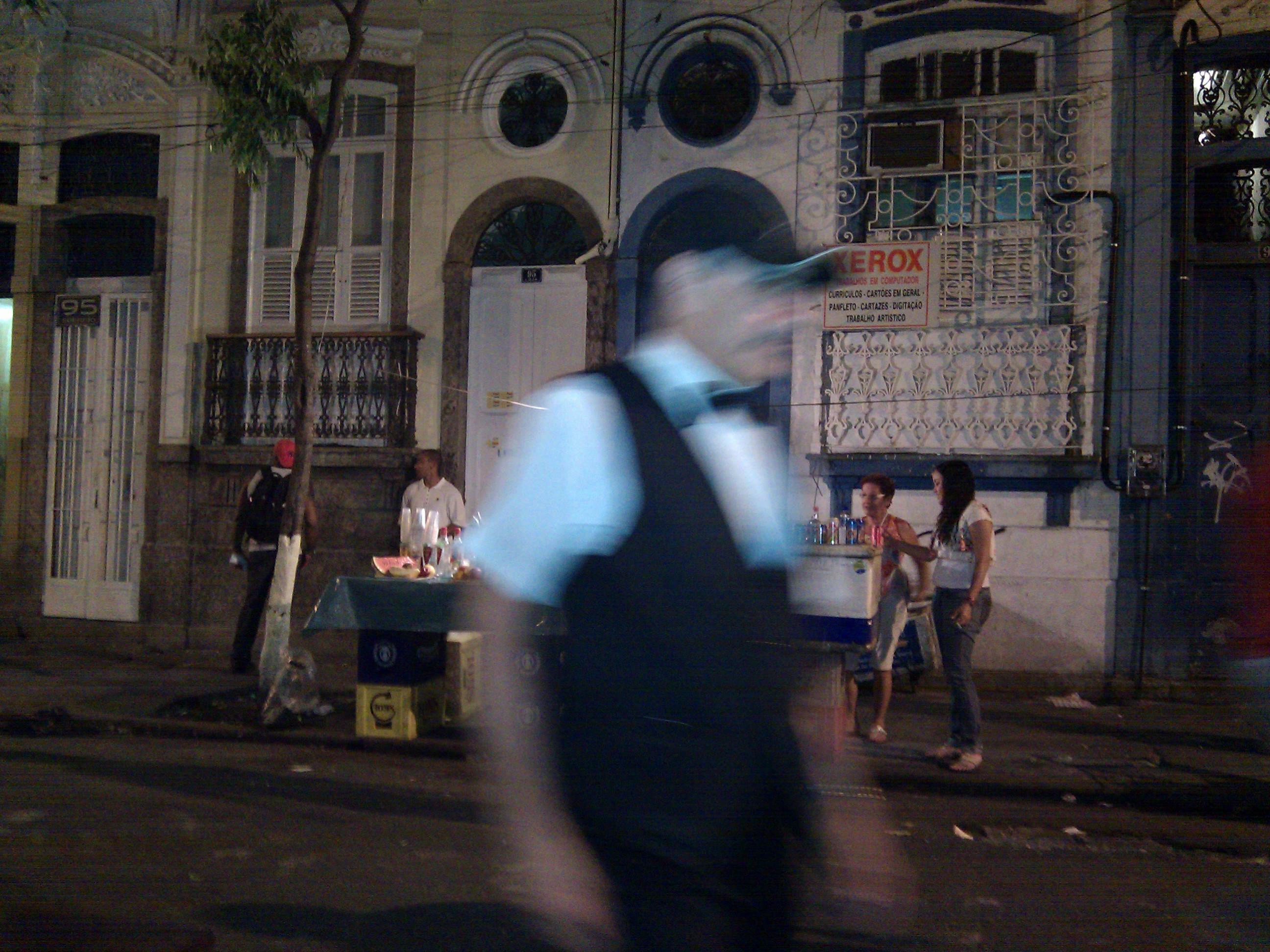
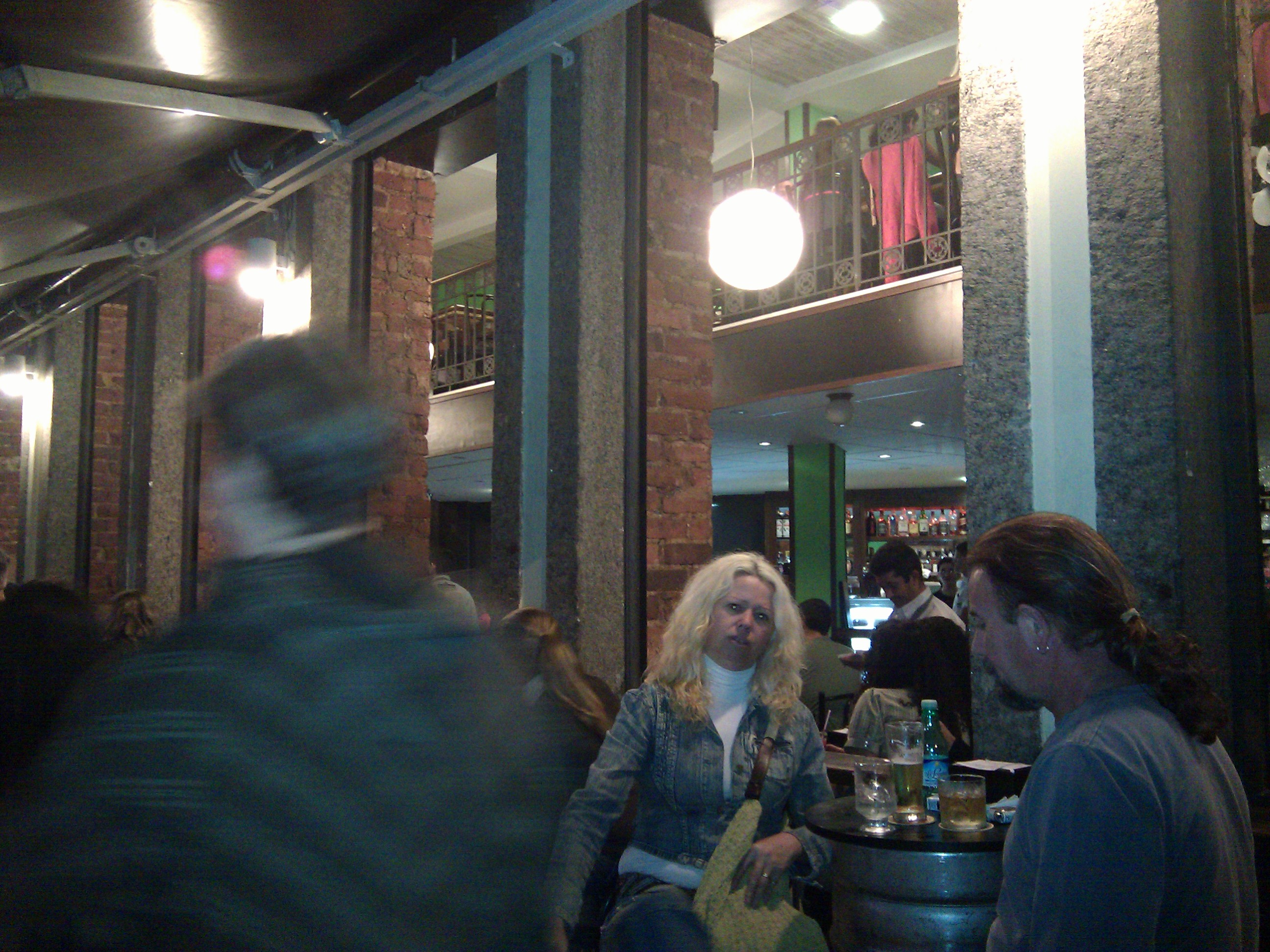
A prefeitura irá gastar R$8 milhões para revitalizar a Lapa, zona do Centro do Rio que lembra Palermo, em Buenos Aires, e a Bourbon Street, em Nova Orleans. A região foi a primeira do Rio a esboçar uma saída da decadência, graças aos antiquários da rua do Lavradio, na última década. Possui uma longa história de música, boemia e prostituição. O magnetismo do samba e das caipirinhas criou problemas que o prefeito Eduardo Paes procura solucionar desde sua posse, em janeiro de 2009. Em julho passado, criou-se uma área de pedestres, fechando-se três ruas principais ao trânsito de veículos entre as 22h e as 5h.

City hall has budgeted close to US$ 5 million equivalent to revitalize Lapa, Rio’s downtown neighborhood famed for nightlife focused on music, drinks and food. The area was Rio’s first to initiate a comeback, spurred by antiques dealers on the rua do Lavradio over the past decade or so. It has a long history of music, bohemians and prostitution. The draw of samba and caipirinhas created problems which mayor Eduardo Paes has sought to solve since taking office in January 2009. This past July a pedestrian zone was created, with vehicular traffic banned nightly from 10 p.m. to 5 a.m. on three main thoroughfares.

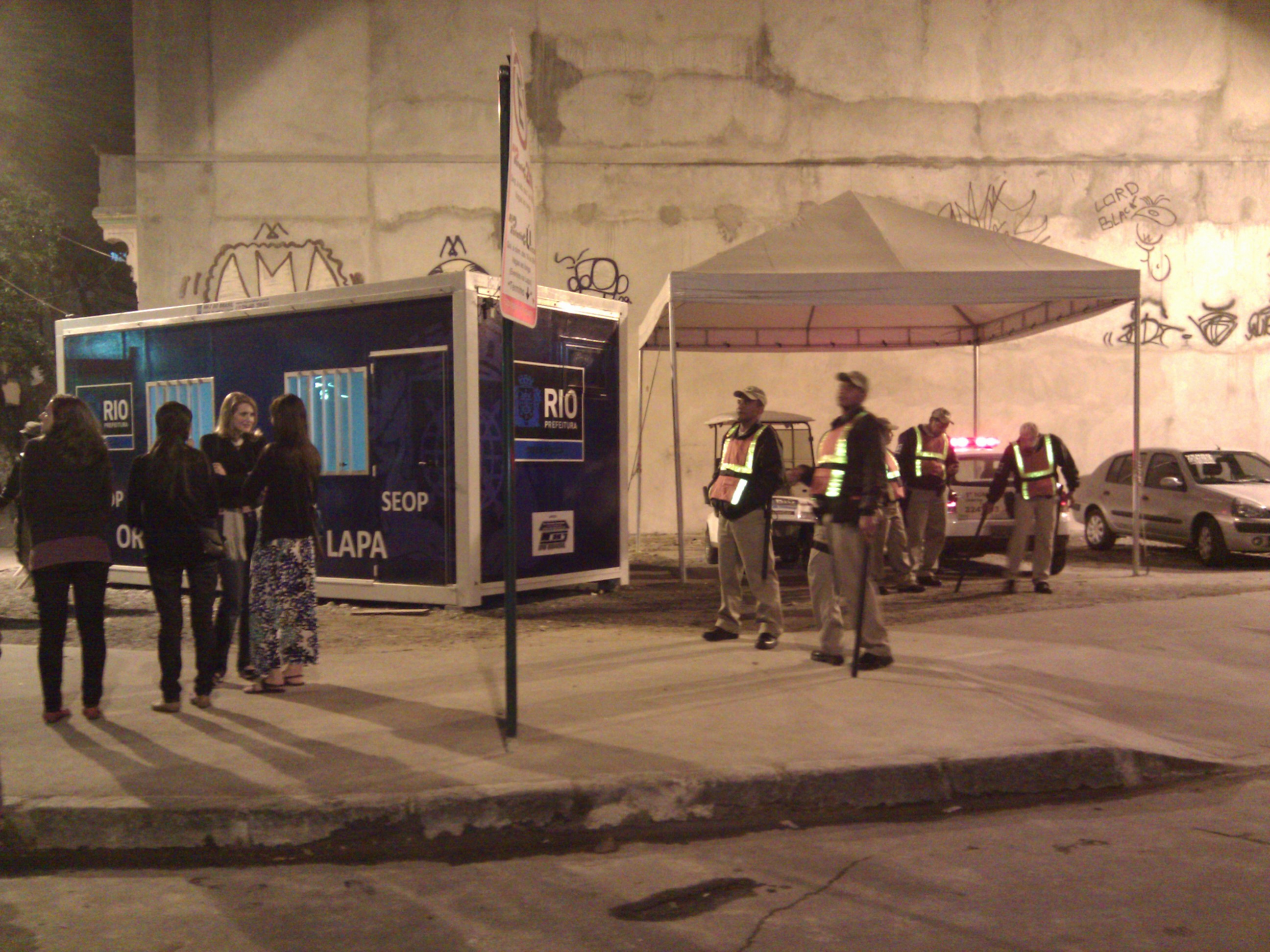
Municipal Guard post

The municipal guard is a key element of the choque de ordem, an untranslateable term for the imposition of order.

A guarda municipal é elemento-chave do choque de ordem.

The city takes charge

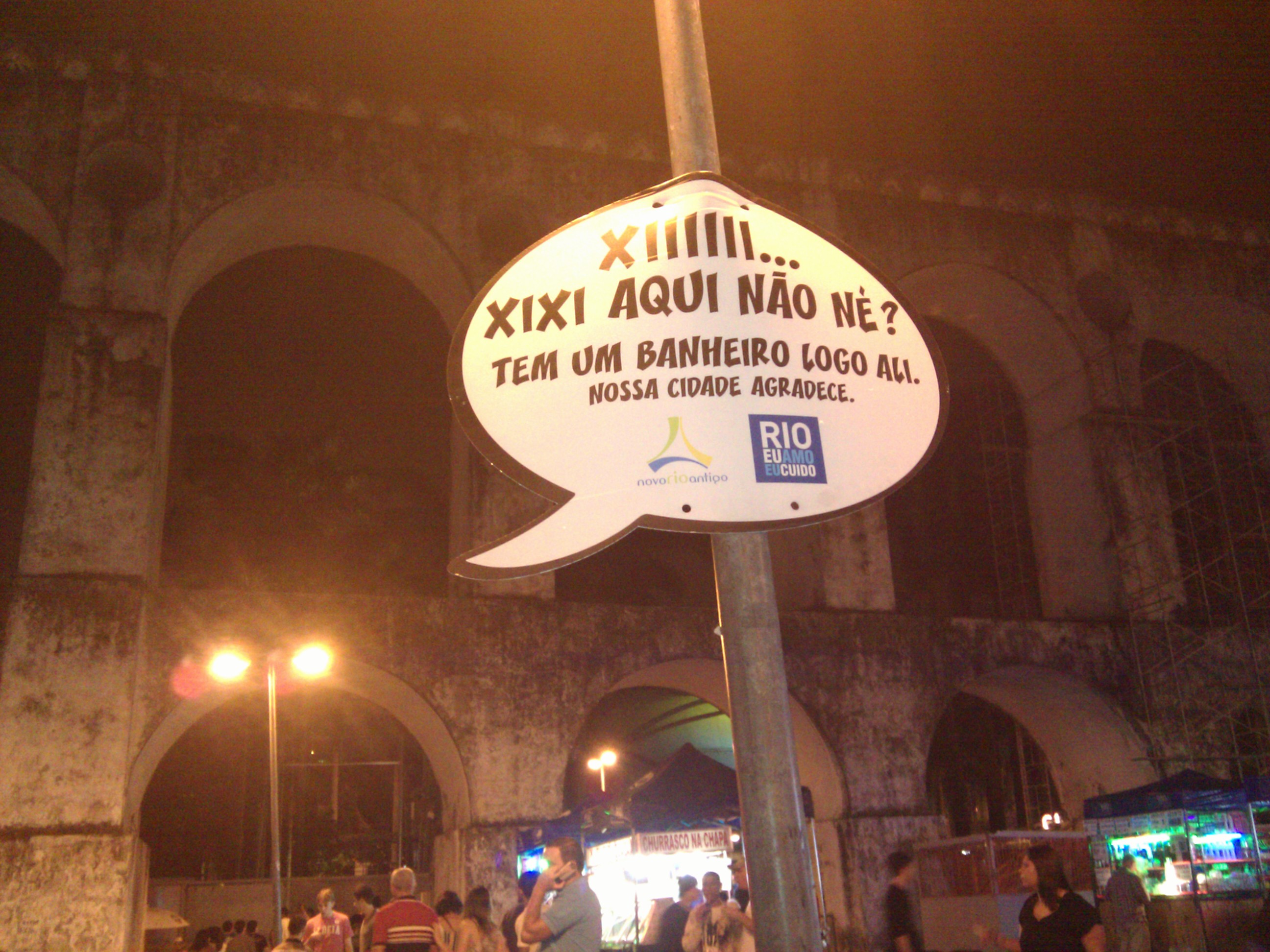
Everywhere in Rio, the lack of public bathrooms– and/or resistance to looking for them and using them– is an issue.

Em todo lugar no Rio de Janeiro, a falta de banheiros públicos − e/ou a falta de vontade de procurá-los e usá-los − é um problema

"No peeing here; there's a bathroom right there."

shocking order!

Tamed kiosks

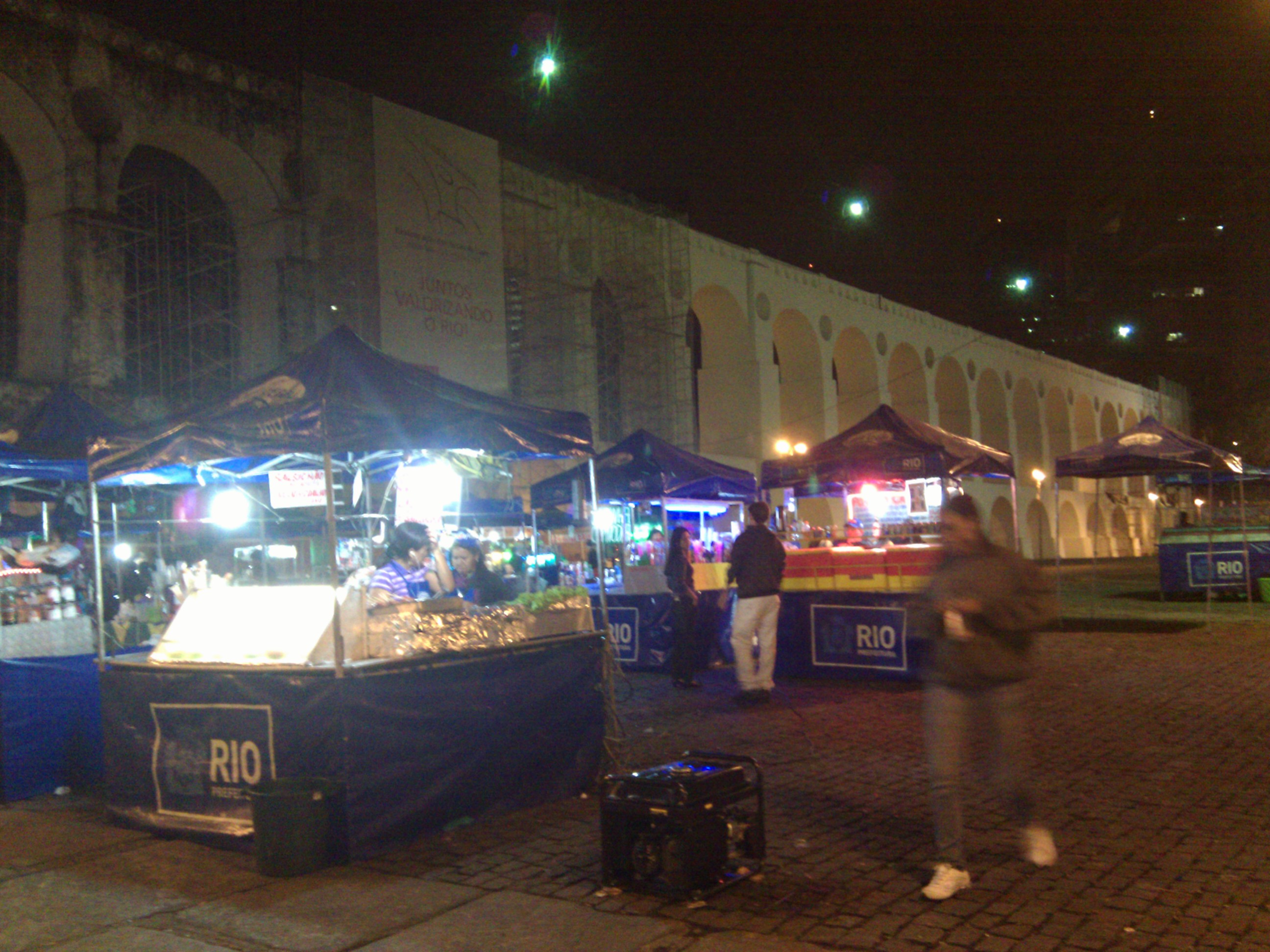
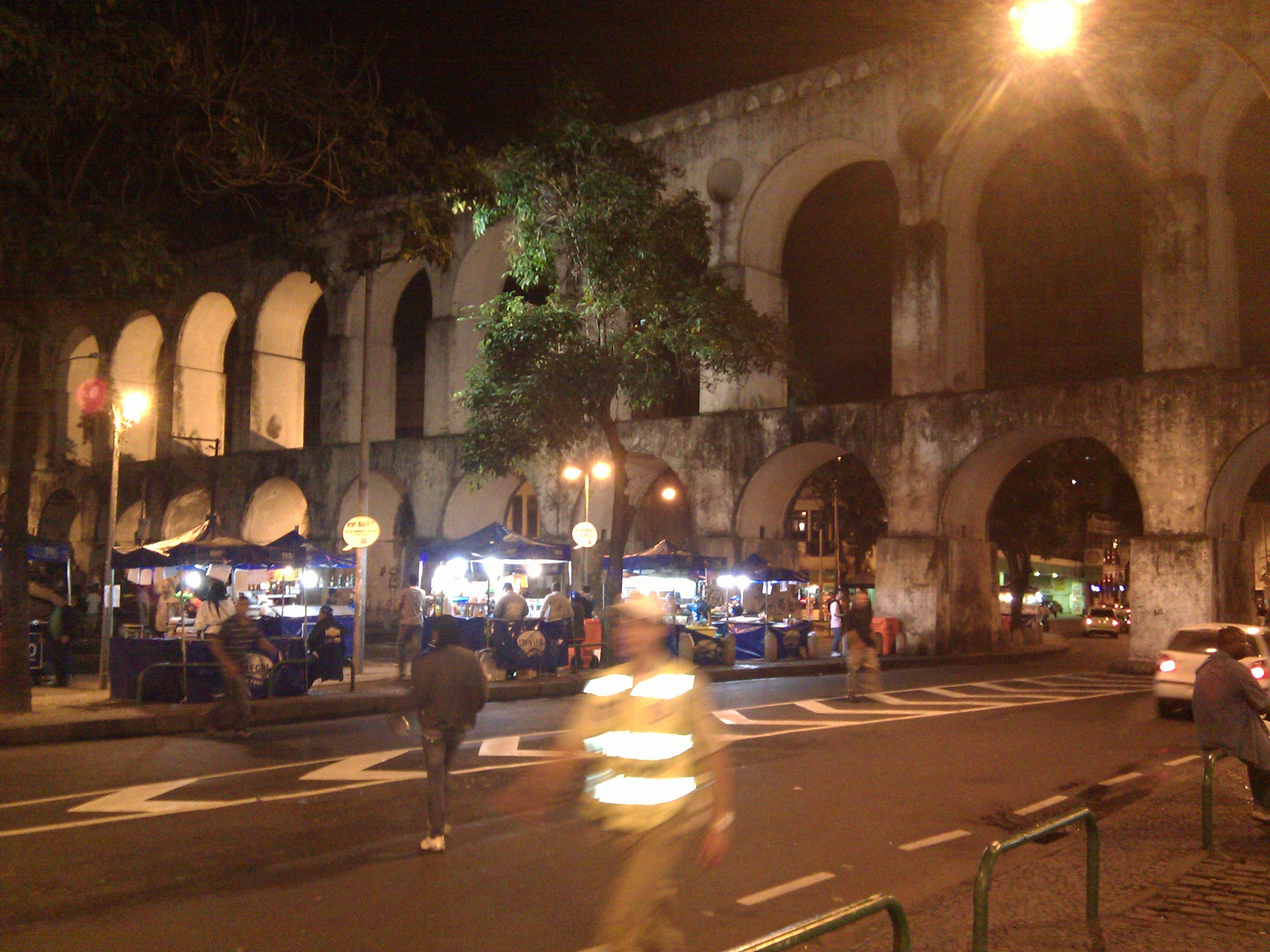
Kiosks used to be helter-skelter, and the drinks and snacks they sold were never inspected. The arches in the background are in the process of being restored.

Os quiosques eram bagunçados, e nunca se fiscalizavam as comidas e bebidas que eles vendiam. Os arcos, ao fundo, estão em restauração.

The old turns new

Good things never change

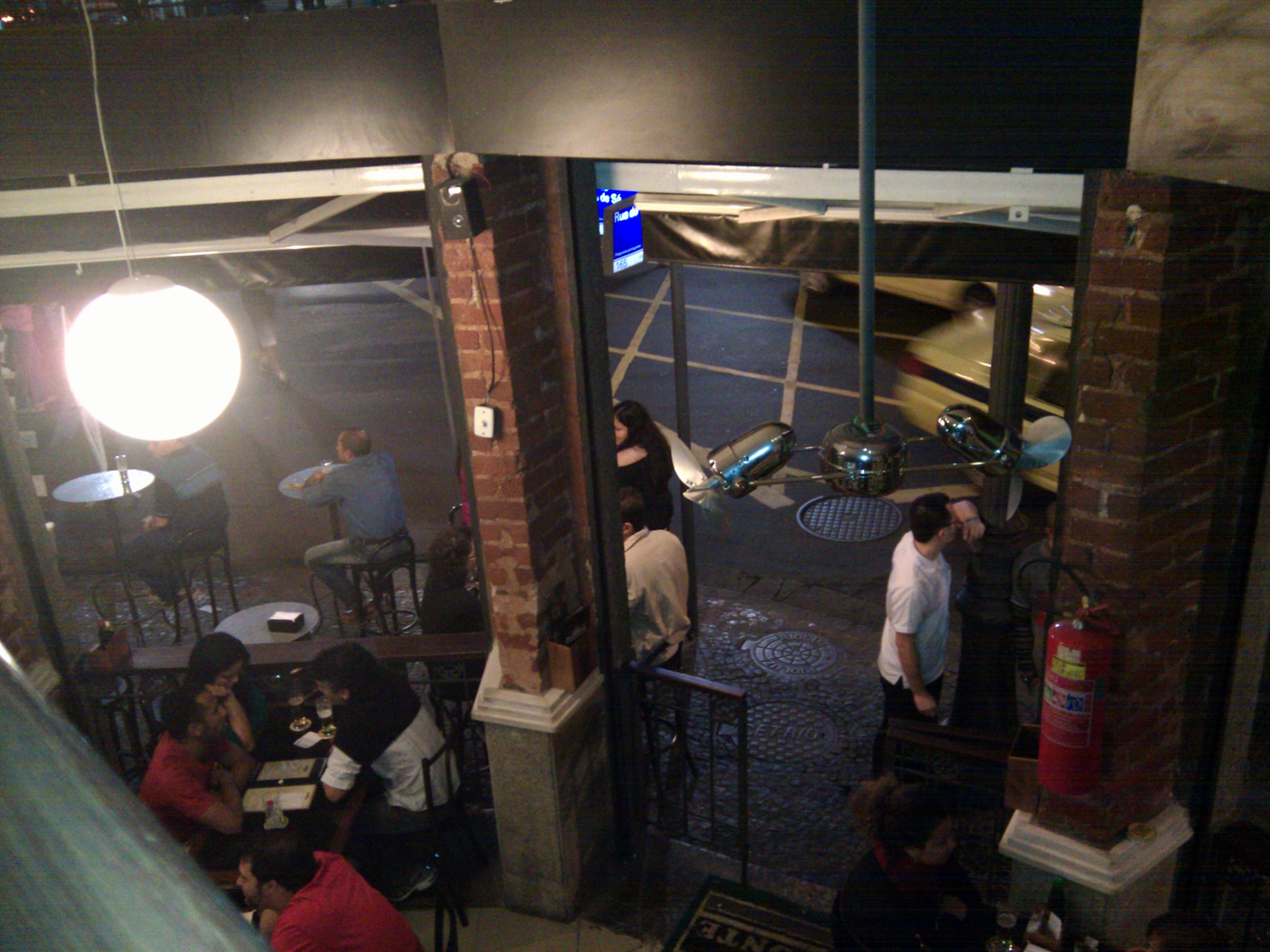
Active street life

No more cars

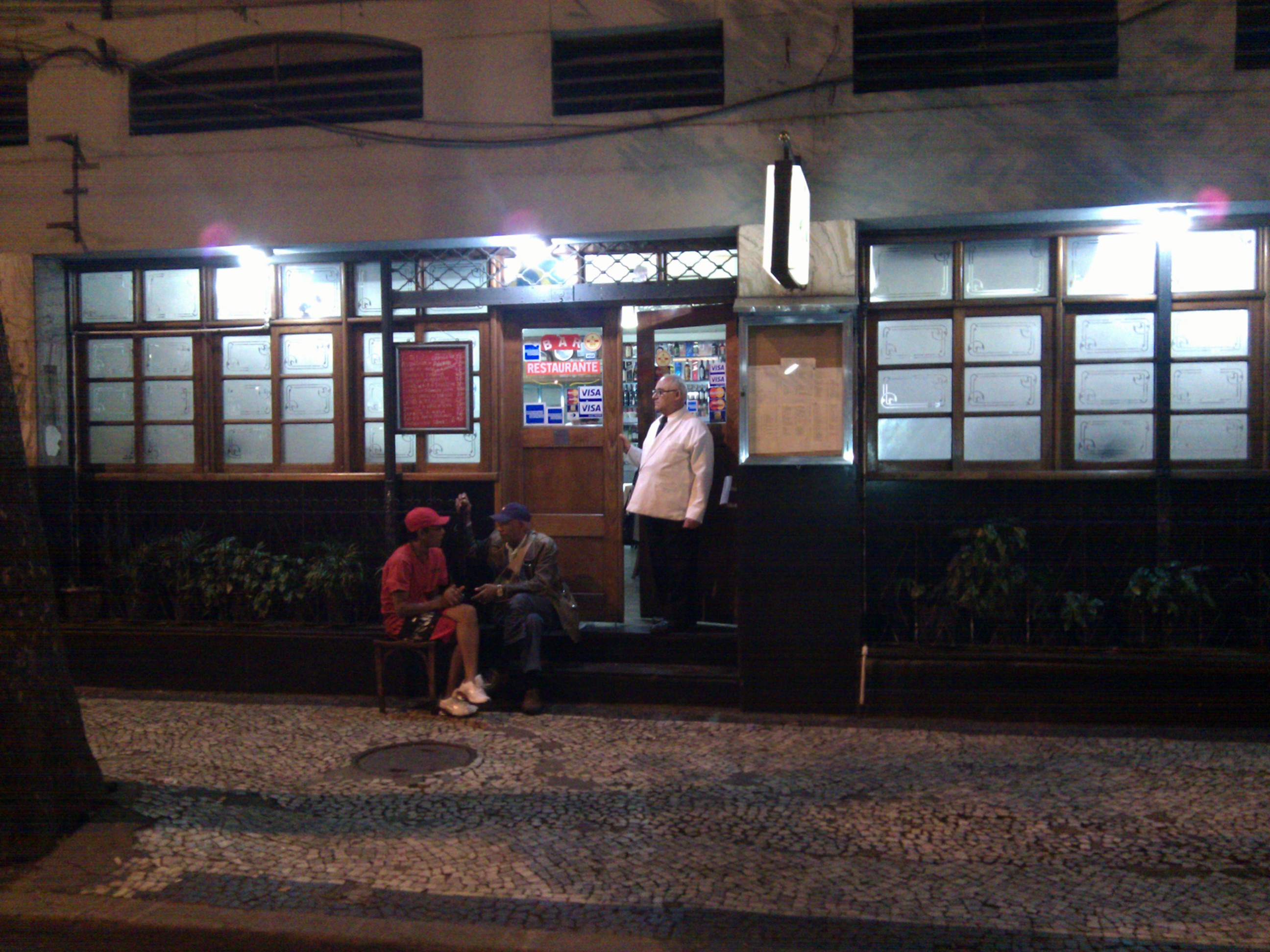
The famous Nova Capela

A newly refurbished venue

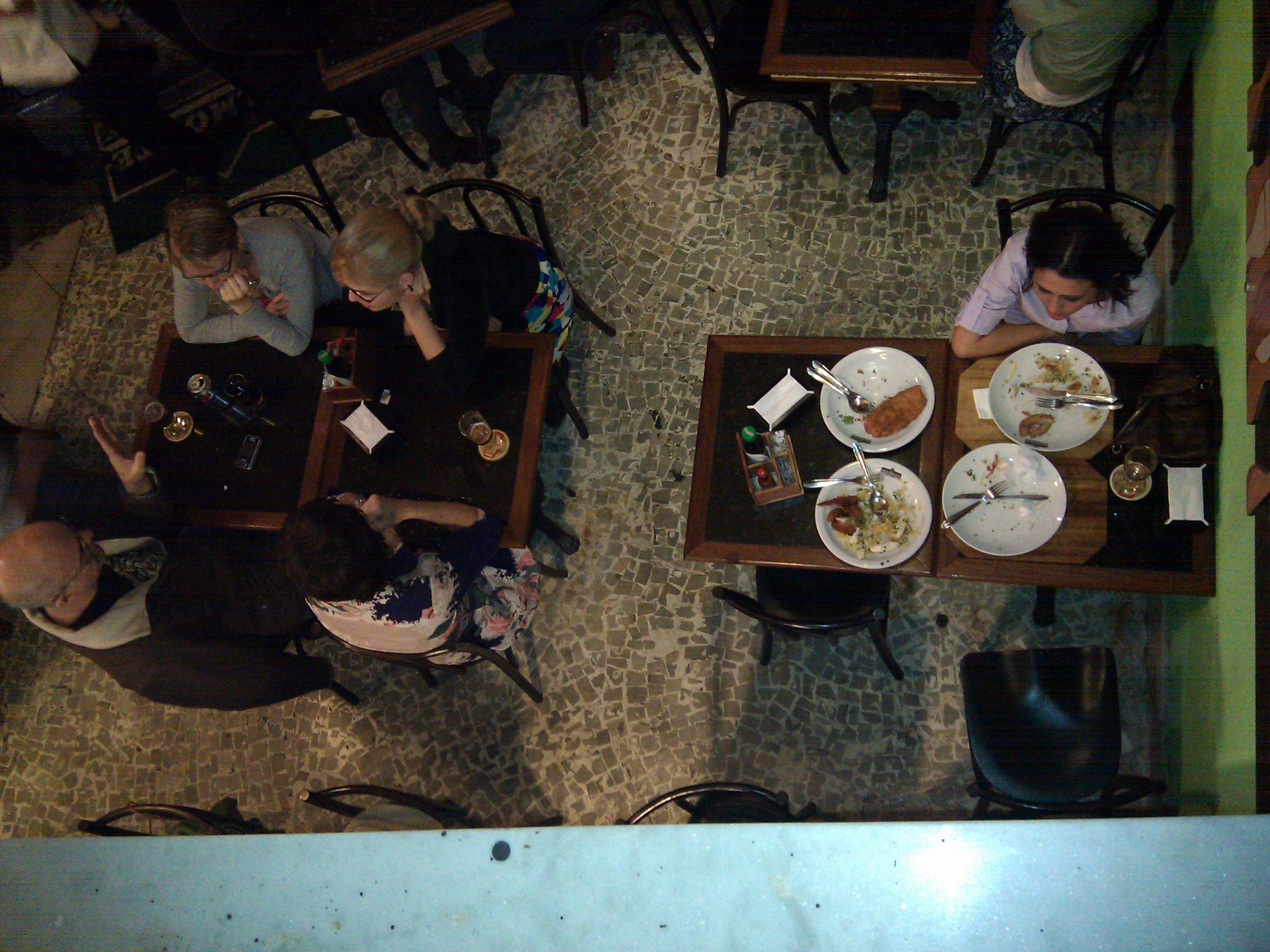
Traditional elements are retained


Posted in Transformation of Rio de Janeiro / Transformação do Rio de Janeiro | Tagged , , , , , , , , , , , | 2 Comments

Real estate boom is happening in “pacified” favelas, too

Gentrification is called “white removal” in Portuguese. Or just gentrificação.

The Estado de São Paulo reports on what could become a major problem in the city’s South Zone. As “pacified” areas become integrated into the rest of the city, favela residents are for the first time having to pay for light, cable tv and water. Their low wages don’t cover the cost. Then what?

At the same time, favela residents are finding their homes can be enlarged and improved, and rented out for increased income– even to tourists.

Social UPP coordinator Sílvia Ramos says the government is negotiating with utility providers and that “pacification” must be expanded quickly, ostensibly to increase the low income housing supply in safe areas.

Posted in Transformation of Rio de Janeiro / Transformação do Rio de Janeiro | Tagged , , , , , , , , | 1 Comment

“If [the social UPP] doesn’t work,the blame will all be ours”

From Social UPP coordinator Sílvia Ramos, in the Estado de São Paulo newspaper:

“It’s easier than I thought. I’m finding that it’s possible to be criticial from within the government. We have all the support we need. There’s money, priority, and media. If it doesn’t work, the blame will all be ours.”

Click here to read an interview in Portuguese with Sílvia Ramos, coordinator of the social UPP project, which is now moving in to consolidate “pacification”. Ramos was drafted into the project from her job as a social science researcher at the Cândido Mendes university’s Centro de Estudos de Segurança e Cidadania (Safety and Citizenship Study Center, Cesec).

In the interview, Ramos claims that Rio’s “pacification” project, currently extending to 12 of the city’s more than 1,000 favelas, is transforming the local police force. This is because money is at last being spent on training, uniforms and salaries, and because the Police Pacification Units (UPPs) are large groups that are constantly in action to prevent the return of the drug trade in the areas where they’re present.

Posted in Transformation of Rio de Janeiro / Transformação do Rio de Janeiro | Tagged , , , , , , , , , | Leave a comment

Cinéma Verité, for real

Click here to see five short films made by Rio police in action, made available to O Globo newspaper. They show the following:

1) Operation 157, in the Pavão-Pavãozinho favela, which took place in late 2008, a year before military police occupied and “pacified” the area. Soundtrack: “The Wall” by Pink Floyd (!)

2) Police caveirão (tank) attacked by a molotov cocktail (no harm done!)

3) 2006 surveillance operation in Morro Chapéu Mangueira favela, now occupied and “pacified”.

4) Helicopter rescue of wounded police officer in October 2009, Morro dos Macacos. Cinematographic views of Rio’s north zone.

5) Police discover gruesome clandestine cemetery in Andaraí, July 2010, just after the area was occupied and “pacified”.

Posted in Transformation of Rio de Janeiro / Transformação do Rio de Janeiro | Tagged , , , , , , , , , , , , , , | Leave a comment

[UPDATE] Police arrest police, i.e., militia

UPDATE ON MILITIA CRACKDOWN (OCT. 3 2010)

O Globo reports Oct. 1 that the North Zone area where the crackdown took place a week ago has now been invaded by drug traffickers.

So as not to call attention to themselves, Globo reports, the druglords are keeping their weapons under wraps. The state didn’t set up a police pacification unit (UPP) after making the 15 arrests of militia members, leaving open territory for the drug trade (which had ruled previous to the militia). According to Cláudio Ferraz, chief of DRACO, the police unit focusing on Rio’s paramilitary groups, there just aren’t enough men to set up as many UPPs as are needed.

According to O Globo, since Sept. 23 DRACO has made five additional arrests of militia members . The “Mirra’s Eagle ” militia ruled 23 favelas, under the leadership of former military police officer Fabrício Fernandes Mirra, from jail. A neighborhood association president said the militia required residents to pay protection money and a 20% commission on home sales, as well as higher prices than elsewhere for van transportation, bottled gas, cable tv, and internet service. According to police, wiretaps caught militia members discussing torture, housing confiscations, and arms sales. The paramilitary force also controlled all correspondence within the favelas.

Para português (reportagens no Globo), clique nos links embutidos

Brazil has four police forces. In Rio, an additional, informal force has cropped up in the absence of effective public safety over the last decade: murderous militias that extort small businesses in poor neighborhoods.

While some of Rio’s military police move on drug traffickers and occupy their favela fiefdoms, the city’s civil police are cracking down on paramilitary groups, the milícias—and arresting other military police in the process. Thursday, Operation  Todos os Santos (All Saints) issued 40 arrest warrants, many of them for active or former military police officers;  so far only 15 men have been taken in and O Globo reported Friday that the militia’s van business in the  Água Santa area of the North Zone continued as usual.

The “Águia de Mirra” (Mirra’s Eagle) militia operates in ten North Zone favelas, in the cable tv, bottled gas, video slot machine, and  van businesses. According to  Civil Police chief Alan Turnowski, 440 militia members  have been arrested in the past three years in Rio, including politicians, military and civil police officers, and members of the army. Thursday police found a large weapons cache, including a submachine gun, and located a clandestine cable tv signal repeater.

The group, which came to power in 2007 after a war with a drug trafficker that left 40 dead, reportedly circulates in favelas in a pickup with a machine gun on the roof.

For the first time ever, local residents have aided police in their investigation.  They say militia members use military police vehicles, are extremely violent, and have kicked people out of their homes so as to collect rents.

Posted in Transformation of Rio de Janeiro / Transformação do Rio de Janeiro | Tagged , , , , | 2 Comments

Com licença, seus cariocas! / Make way, cariocas!

Um médico transplantado

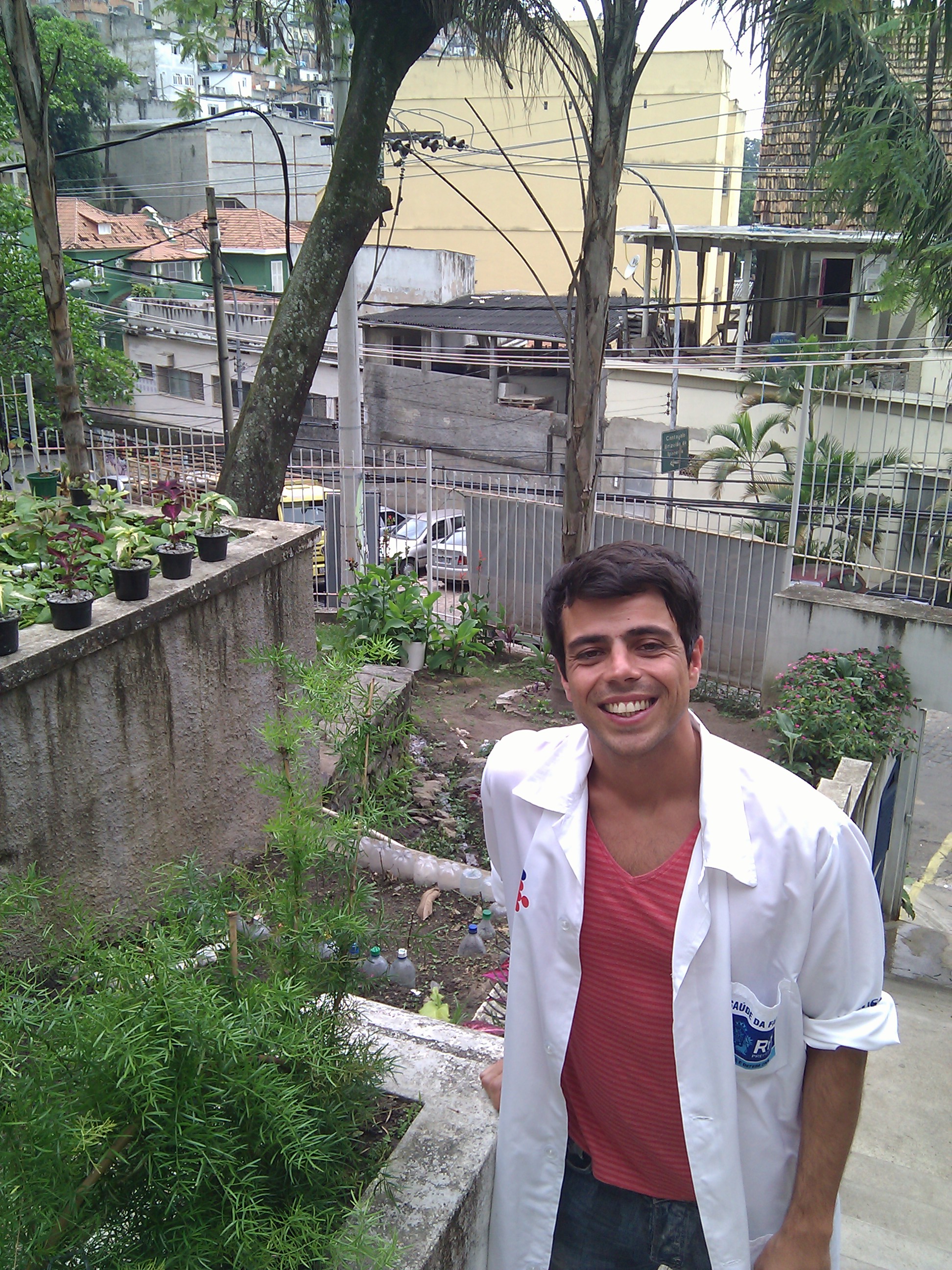
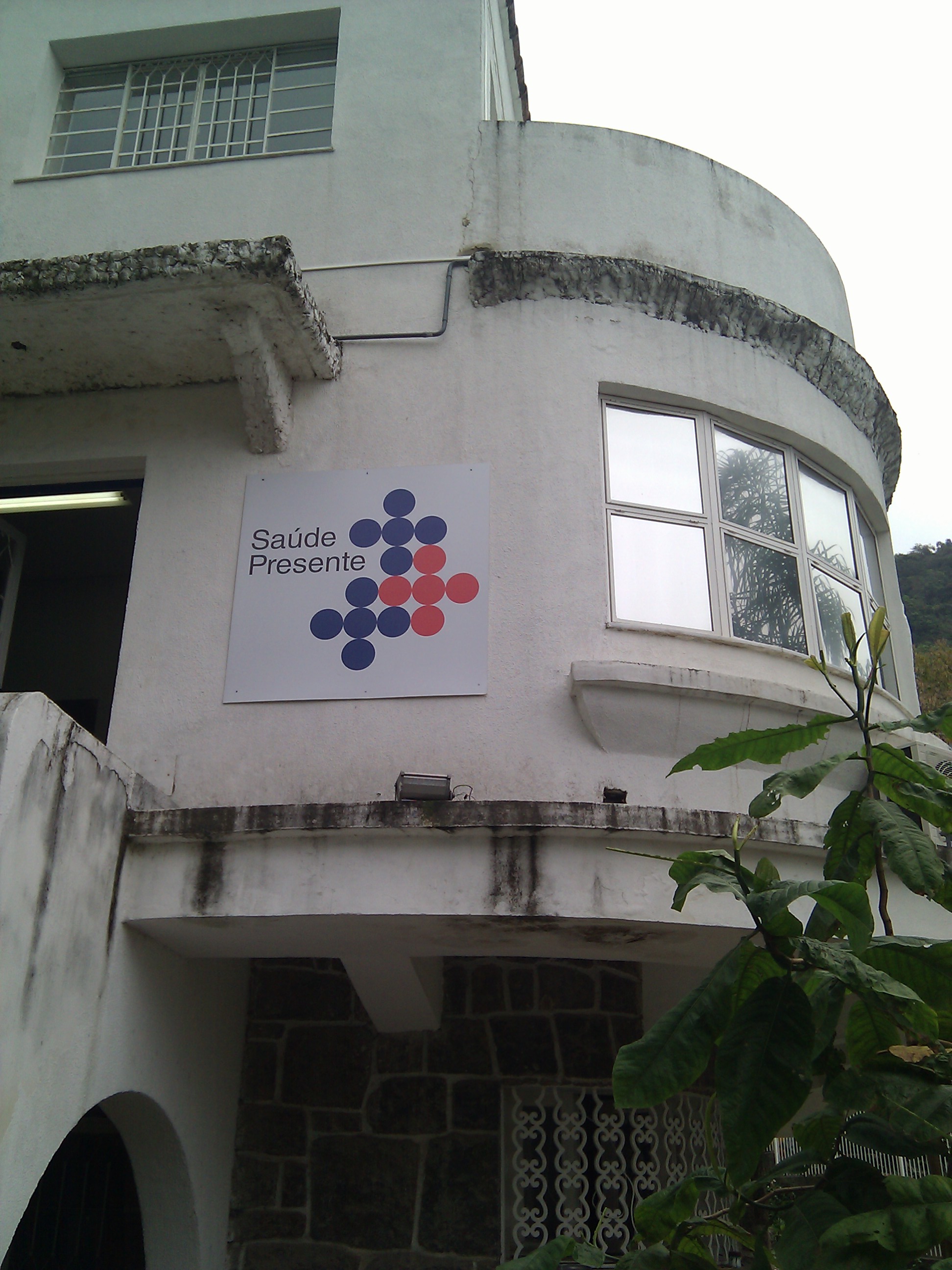
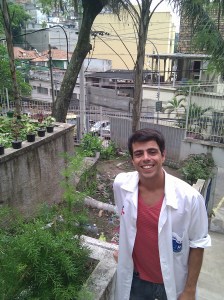
O curitibano dr. Ricardo Sirigatti já rodou o mundo; estudou em Buenos Aires, trabalhou em Paris e conhece bem os Estados Unidos. Para morar e trabalhar — em um posto de saúde novo, na favela Pavão-Pavãozinho– escolheu o Rio de Janeiro. No fundo da foto acima, a horta que Ricardo plantou no jardim do posto, instalado numa casa.

Originally from the southern city of Curitiba, Dr. Ricardo Sirigatti has traveled widely; he went to school in Buenos Aires, worked in Paris and has been to the U.S. many times. He chose Rio de Janeiro to set up house and to find a job– in a new city health clinic, in the Pavão-Pavãozinho favela. In the above photo, Ricardo poses in front of the herb garden he planted in the clinic’s yard.

Saúde no Pavão-Pavãozinho

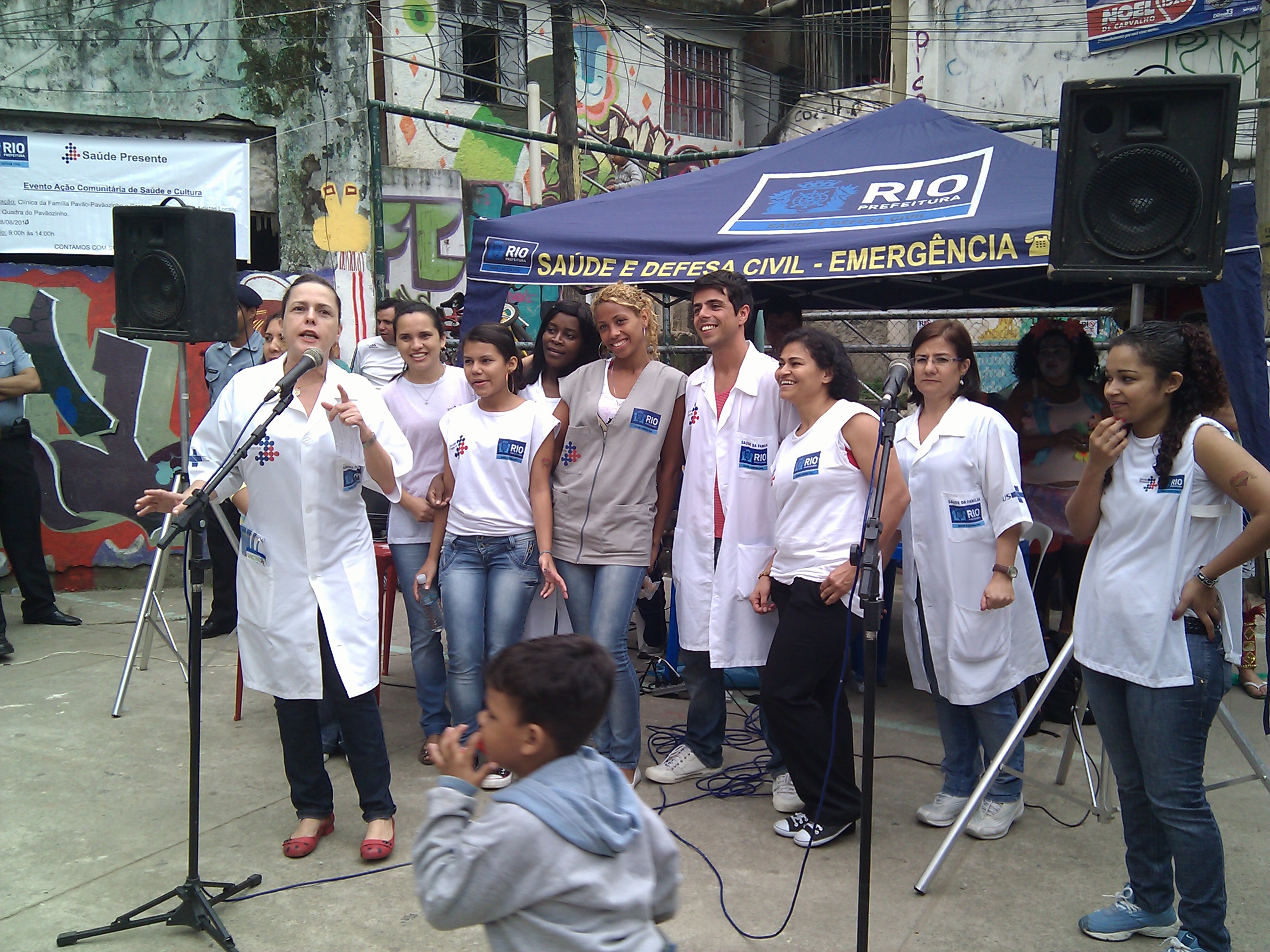
O posto de saúde atende 13 mil pessoas. Dos três médicos, cada um atende uma média de trezentos pacientes por mês. São muitos hipertensos– a maioria das pessoas tem açúcar e colesterol elevados. Outra queixa comum são as dermatoses, devido ao problema do lixo e às condições de higiene. Ricardo se surpreendeu com a incidência de sobrepeso nessa população. Imaginava que fossem todos magros, já que moram no morro e sobem muitas escadas.

The health clinic serves 13,000 people. Each of the three doctors treats an average of 300 patients a month. Many have high blood pressure– most people have high blood sugar and cholesterol. Another common complaint are skin ailments, due to poor sanitation and hygiene. Ricardo was surprised to find a large number of obese people in the population he serves. He thought they’d all be thin, since they live on a hill and deal with a great many stairs.


Um número crescente de forasteiros está chegando. Na primeira metade de 2010, 22.188 estrangeiros pediram visto de trabalho no Brasil, quase 20% a mais do que o mesmo período do ano anterior. Do total, 7.826, quase um terço, vêm para o Rio de Janeiro para trabalhar, no setor de petróleo e gás. Não há como quantificar a chegada de brasileiros de outros estados, mas quem mora aqui ouve cada vez mais um “tchê” daqui, um “meu” dali, um “trem” acolá. Pela primeira vez, o Rio recebe brasileiros de estados ricos, em vez de somente de áreas mais necessitadas.

O Rio já foi atração em outras épocas, antes de entrar num longo declínio a partir de 1960.  Com a chegada de veteranos da Guerra dos Canudos em 1897, a procura de salários atrasados, criou-se a primeira favela . Mais cedo, a partir do fim da escravidão em 1888, legiões de ex-escravos vieram à procura de emprego. Nas décadas de 1940 e 1950 houve outras ondas de migrantes rurais, muitos deles nordestinos fugindo da pobreza e das secas.  Qual é o Rio de Janeiro que os recém chegados procuram hoje?

A growing number of foreigners are arriving in Rio. In the first half of 2010, 22,188 foreigners requested work visas in Brazil, almost 20% more than in the same period of the previous year. Out of the total, 7,826, almost a third, come to Rio to work, in the gas and petroleum industries. It’s impossible to measure how many Brazilians are arriving from other states, but natives say they are hearing more and more accents from São Paulo, southern Brazil, and Minas Gerais. For the first time, Rio is the destination of Brazilians from rich states, in addition to those who come from poor areas.

Rio was once an attraction, before beginning a long decline in 1960. Veterans of the Canudos War came to Rio in 1897 seeking back pay, and created the city’s first favela. Before that, with the end of slavery in 1888, legions of former slaves came to the capital in search of jobs. In the 40s and 50s there were other waves of rural migration, with many Northeasterners fleeing poverty and drought. What is the Rio de Janeiro that the new arrivals seek today?
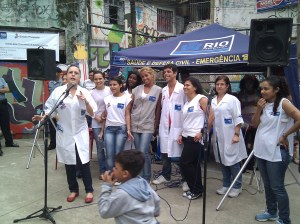


Apresentando o que o posto oferece à comunidade

Ricardo contou o seguinte ao Riorealblog:

“Vim ao Rio em busca do sonho de estar perto do mar, de viver em um Brasil completo, onde tem rico e pobre, praia e shopping, samba e fome, morro e asfalto, floresta e prédio, arte e miséria, crime e alegria, tudo junto e misturado de uma forma triste e ao mesmo tempo do jeito mais amplo e completo de ver um mundo chamado Brasil.
Vim de Curitiba, tendo vivenciado uma forma muito rica e organizada de saúde pública. Chegando aqui me surpreendi quando descobri como o ‘destino dos sonhos’ de tanta gente podia estar tão aquém de oferecer o mínimo necessário à sua população. Desde as mais básicas estruturas até os grandes complexos de atenção à saúde, passando pelos fluxos de encaminhamento e exames complementares, tudo, absolutamente comprometido pela falta de capacidade dos gestores de saúde, em priorizar urgências de forma correta. Investimentos feitos aleatoriamente, sem dar atenção necessária à atenção básica. No atual governo, existe esta preocupação; o problema é que precisam corrigir erros das gestões anteriores, e realmente têm muito por fazer. Isso, por outro lado, me traz muita vontade de trabalhar neste lugar, onde sei que farei a diferença. A
qui posso estimular as pessoas envolvidas neste processo, pois vi em outros lugares que pode-se melhorar. As pessoas precisam ter mais esperança no SUS, e as lideranças aprenderem a investir mais na atenção básica, pois os problemas de saúde não ocorrem por falta de dinheiro e sim por investimentos feitos de forma equivocada pelos gestores com pouca capacidade técnica em gerir saúde.”

Ricardo told his story to Riorealblog:

“I came to Rio following my dream of living close to the ocean, of living in a fuller Brazil, with rich and poor, beach and malls, samba and hunger, favelas on hills and the city on the asphalt, greenery and buildings, art and poverty, crime and happiness, all together and mixed up in a way that’s sad and at the same time a broader and more complete way of seeing the world called Brazil. I came from Curitiba, where public health is well-funded and very organized. When I got here I was surprised to find that the ‘dreamland’ of so many people could offer so much less than what people here need. Everything, from the most basic items to the most complex aspects of health care, including patient flow and medical test requests, is limited by the inability of health administrators to correctly prioritize emergency care. Investments have been made randomly, without the necessary attention to basic care. There is this attention in the current government; the problem is that they must correct previous administrative errors, and there really is a great deal to be done. On the other hand, this draws me to want to work here, where I know I can make a difference. Here, I can encourage the people involved in this process, since I’ve seen elsewhere that improvement is possible. People need to trust the SUS public health system more, and leaders need to learn to invest more in basic care, since health problems don’t occur due to lack of money, but due to badly allocated investments made by administrators with little technical capacity to run health programs.”

Posted in Transformation of Rio de Janeiro / Transformação do Rio de Janeiro, Uncategorized | Leave a comment

A new republic

Social UPP secretary: “Not makeup”, “not salvationist”; “just the integration of the city”

Rio de Janeiro State Social Aid and Human Rights Secretary Ricardo Henriques spends a lot of time explaining the UPP Social – especially the fact that until 2016, pacified favelas take precedence over the rest of the city—but he’s also acting to map, organize and streamline the 137 and counting city, state, federal, private sector and NGO programs in Rio’s 12 pacified territories.

“Can you believe that there are from 40-60 NGOs in Santa Marta, and only 3,200 people?” he exclaimed Sept. 20 during a presentation at the Casa das Garças Institute for the Study of Economic Policy, to business executives, economists, urban planners, journalists and architects, among others.

Henriques was appointed in April and leads a highly participatory process that involves the city and federal government, as well as NGOs and the private sector.  Without the social UPP, Rio’s pacification program—the keystone of the city’s turnaround–  is doomed to fail.

The pilot program in Morro da Providência, launched last month, has already provided street signs (implementing a six-year-old plan!), and moved on the issues of electric power, trash, sewage, and job training.

Last week the social UPP focused on Morro do Salgueiro, Rio’s most recently pacified territory. A hundred people turned out to talk about what their community needs; absent was the neighborhood association president who, like so many in Rio, had never actually lived in Salgueiro and was the drug trafficker’s agent.

This week is dedicated to Cidade de Deus, where residents said public health is at the root of most of their problems; and a school director explained that until pacification, she’d been negotiating her students’ job hours with the local drug traffickers (“No more than two days a week”). Next week is Morro do Borel, a complex of favelas in Tijuca.

Henriques emphasizes that his brief is to “reconstitute the republic” in the pacified areas, without adding layers to existing government bureaucracies. “We’re working with a light structure, there are no big working groups” he said. “It’s just a question of facilitating things and then letting the wheel spin on its own.”

There will be performance indicators, Henriques said, in answer to a question. Architect Sérgio Magalhães reflected that guaranteeing continued public services in the newly pacified areas will be the “hardest part” for the social UPP. In fact, this is an issue even in upscale neighborhoods such as Ipanema, where public lighting and upkeep can be spotty. But Icatu insurance company president Maria Sílvia Bastos Marques, a former municipal finance secretary, pointed out that the current revitalization is bringing in greater tax revenues, such that city services can easily be expanded. “There’s enough money, it just has to be spent efficiently,” she added.

The risks for this ambitious, uber-important program? Henriques anticipates three: that favela residents won’t engage for fear that the pacification won’t last and they’ll suffer the druglords’ revenge, later; that the various actors in a community, fearful of the risks, wait for each other to take the lead; and that those whose way of life depended on the earlier paradigm, in one way or another, will stymie the social UPP, since adaption is too unsettling.

There are many unknowns and much learning ahead, Henriques added. For example, what impact will new favela housing deeds have on Rio’s booming real estate market?

Posted in Transformation of Rio de Janeiro / Transformação do Rio de Janeiro | Tagged , , , , , , , , , , , , | Leave a comment

Reconstituindo a república no Rio de Janeiro

Secretário da UPP social: “Não é maquiagem”, “Não é salvacionista”; é apenas a integração da cidade”.

O secretário estadual de Assistência Social e Direitos Humanos, Ricardo Henriques, passa muito tempo explicando a UPP social — sobretudo o fato de que, até 2016, as favelas pacificadas terão mais prioridade do que o resto da cidade —, mas ele também está atuando no sentido de mapear, organizar e tornar mais eficientes os 137 programas municipais, estaduais, federais, privados e de ONGs, nos 12 territórios pacificados do Rio de Janeiro.

“Vocês acreditam que existem de 40 a 60 ONGs no Santa Marta, com apenas 3.200 pessoas?”, ele riu, durante uma apresentação no dia 20 de setembro para executivos, economistas, urbanistas, jornalistas e arquitetos, no Instituto de Estudos de Política Econômica da Casa das Garças.

Nomeado em abril, Henriques lidera um processo altamente participativo, junto com os governos municipal e federal, além de ONGs e o setor privado. Sem a UPP social, o programa carioca de pacificação — peça-chave da reviravolta na cidade — irá fracassar.

O programa-piloto no Morro da Providência, inaugurado no mês passado, já providenciou sinalização de ruas (implementando um plano que existia há seis anos!) e agiu em questões de luz, lixo, esgoto e treinamento.

Na semana passada, a UPP social focou no Morro do Salgueiro, o mais recente território pacificado. Cem pessoas apareceram para debater as necessidades de sua comunidade, na ausência do presidente da associação de moradores, que, como é comum no Rio de Janeiro, nunca morou no Salgueiro e era o homem de confiança do traficante.

Esta semana se dedica à Cidade de Deus, onde os residentes disseram que a saúde pública está na raiz da maioria de seus problemas. Além disso, uma diretora de escola explicou que, até a pacificação, ela negociava os horários de trabalho de seus alunos com os traficantes (“Não mais do que dois dias por semana”). Na semana que vem será a vez do Morro do Borel, um complexo de favelas na Tijuca.

Henriques enfatiza que sua missão é “reconstituir a república” nas áreas pacificadas, sem criar camadas adicionais nas burocracias governamentais existentes. “Trabalhamos com uma estrutura leve, não há grandes grupos de trabalho”, disse. “É só uma questão de facilitar as coisas e depois deixar a rodar.”

Indicadores de execução serão monitorados, Henriques informou. Sérgio Magalhães, presidente do Instituto de Arquitetos no Rio de Janeiro, comentou que “a parte mais difícil” da UPP social será garantir a continuidade dos serviços públicos nas áreas pacificadas. Isso já é uma questão em bairros de renda alta como Ipanema, com iluminação e limpeza pública irregulares. Mas Maria Sílvia Bastos Marques, presidente do Icatu Seguros e ex-secretária municipal de finanças, notou que a revitalização atual já implica um aumento de receita para a cidade, de modo que será fácil expandir os serviços municipais. “Há dinheiro suficiente, é só gastar de maneira eficiente”, ela disse.

Os riscos para esse programa ambicioso, de importância primordial? Henriques prevê três: que os residentes das favelas não participem, por medo de represálias da parte de traficantes, no caso de a pacificação voltar atrás; que os agentes de algumas comunidades, temerosos dos riscos, fiquem aguardando uns aos outros, para que alguém tome a liderança; e que aqueles cujo modo de viver de alguma maneira dependia no paradigma anterior , irão dificultar a UPP social, por achar trabalhoso demais fazer uma adaptação.

Há muito para aprender, muito que lhe é desconhecido, acrescentou Henriques. Por exemplo, qual será o impacto no mercado imobiliário carioca, em fase de boom total, de novos títulos para casas em favelas?

Posted in Transformation of Rio de Janeiro / Transformação do Rio de Janeiro | Tagged , , , , , , , , , , , , , , | Leave a comment