The World Cup in Rio de Janeiro, so far

A world city in the making?
LIfe as usual, except not

LIfe as usual, except not

Traditionally, only better-off Brazilians traveled abroad, and only the hardiest and most adventurous of travelers bothered to come to Rio.

About a decade ago, as the country’s fortunes improved, more Brazilians began to travel. And in the last five years or so, Rio started to reduce violence and show a prettier face to visitors. Then came the mega-events. Transformations, residents and visitors form a fascinating and ever-changing symbiosis.

The 2014 World Cup, lasting from mid-June to mid-July, may mark a new phase in the city’s development. Rio is accustomed to an annual noisy and dirty invasion at Carnival. Last year we had a visit from the Pope, which brought in, for a few days, a different sort of tourist: groups of young people bearing guitars and national flags, singing, hiking, and praying.

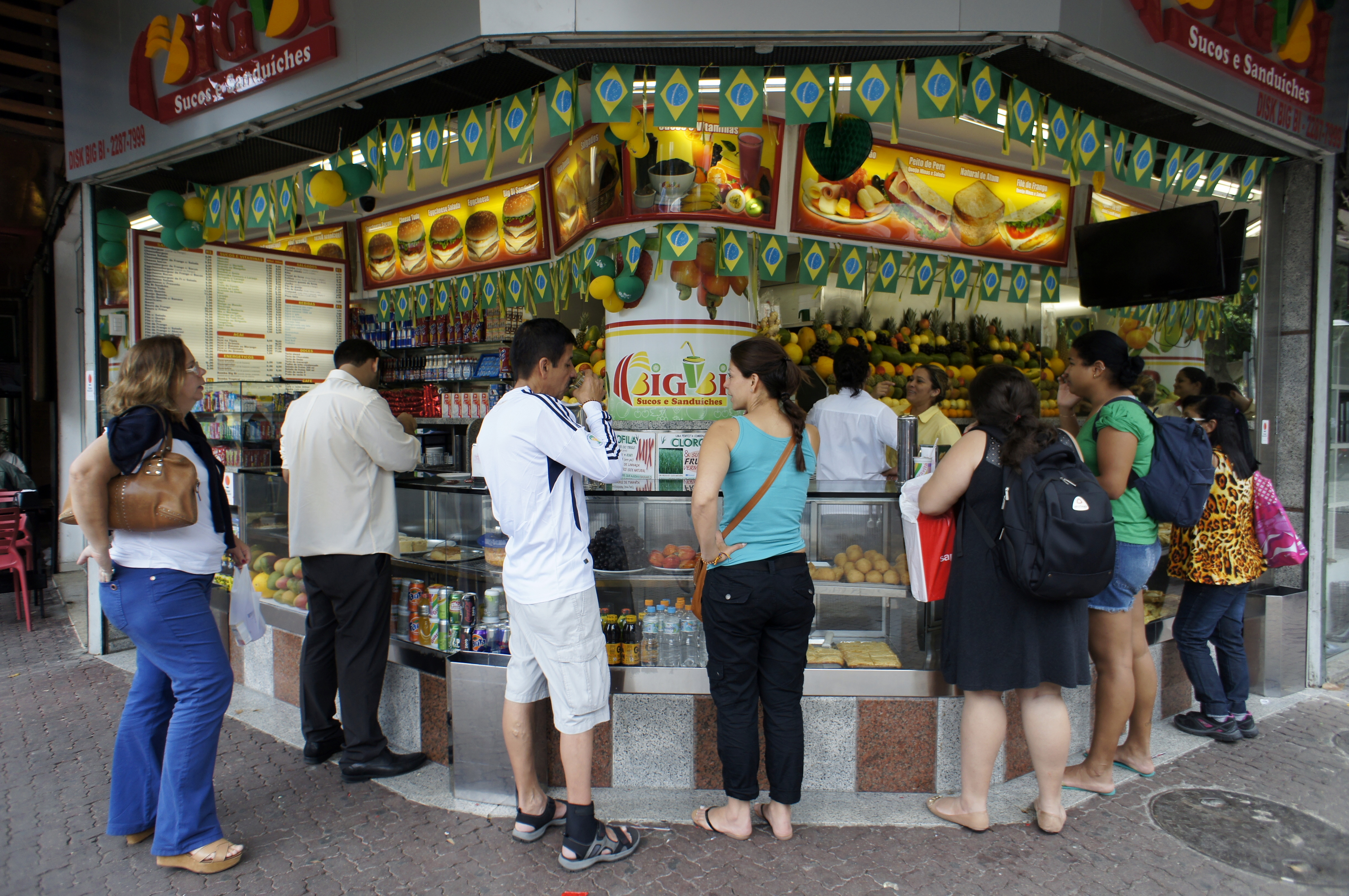
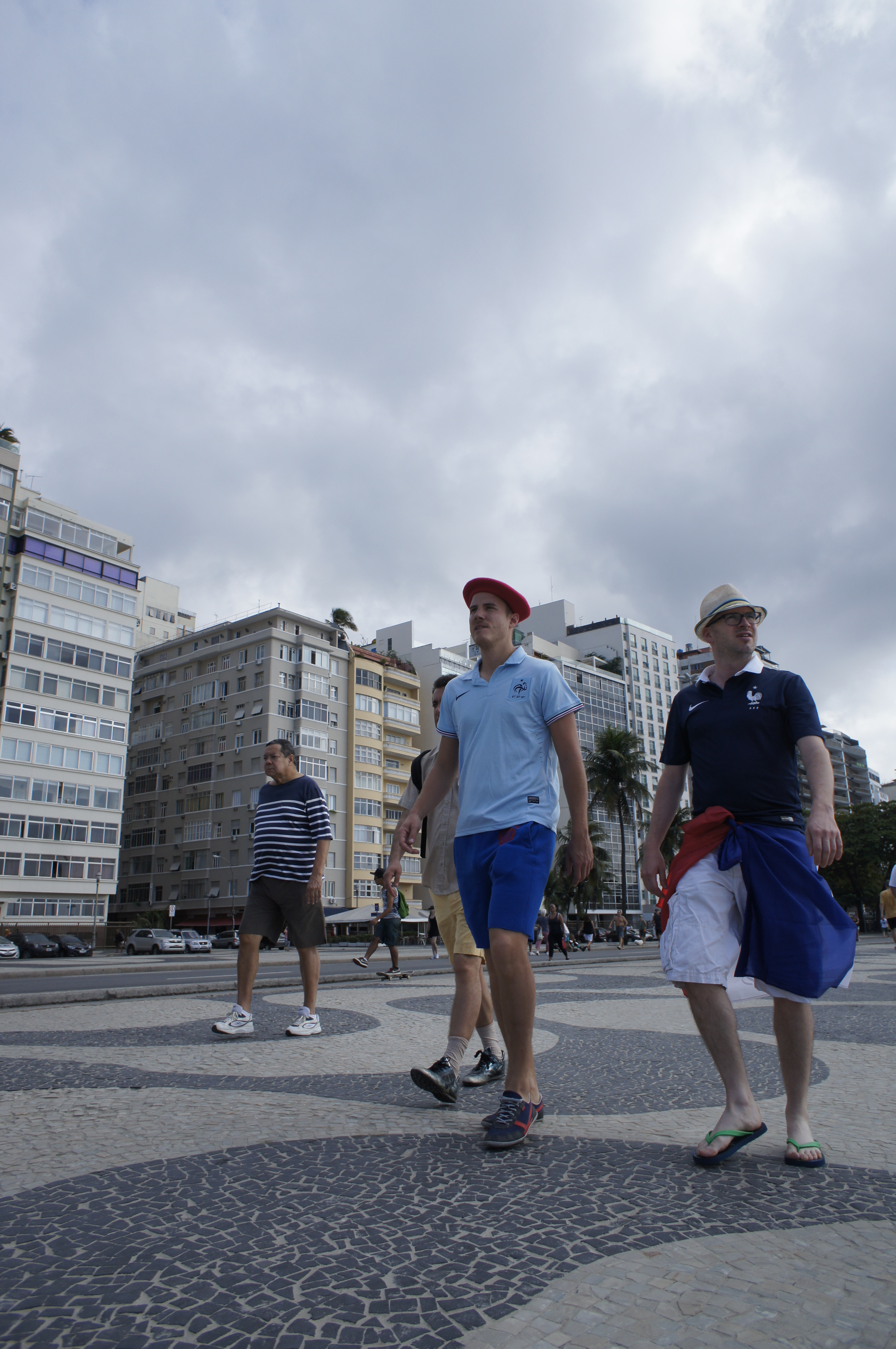
Now, we have thousands of cost-conscious soccer fans who’ve made Rio their home for longer stays. Some even drove here, from Argentina and Chile. With no hesitation, they’re simply using the city, adding a new layer to everyday life. They’re in restaurants, on buses, running along the beach. Which is just the way tourists act in cities that belong not only to themselves but to the world.

The visitors may not be taking taxis, however. Cabbies complain that many tourists purchased packages including all transfers, and prefer buses to taxis. Maybe it’s just as well the plan for taxi drivers to learn English didn’t take hold.

What remains to be seen, and is largely dependent on the October gubernatorial elections and subsequent public policy choices, is how safe Rio will be after the Cup — for tourists and residents alike. At the moment, the city  is probably more crime-free than ever, with ten of thousands of police officers and soldiers keeping the peace (except for the occasional brawl between soccer fans). And they’re doing this despite complaints about spoiled and scanty rations, as well as the condition of the barracks where those who are from out of state are housed.

The Cup has eclipsed just about all other news, but the life of the city does continue (despite many holidays), particularly beyond the South Zone. The Complexo do Alemão cable car system was shut down for inspection after a night of shooting this past week, and seven military police are under investigation for a shooting death in Manguinhos. Both areas have pacification units.

As does Rocinha, where cops and traffickers had a shootout Friday night on a main thoroughfare, Rua 4, and in nearby alleyways. This was unusual, as drug traffickers ordinarily stay high up in pacified favelas, far from the police and most transit. One explanation, according to a resident, is that the traffickers came down the hill to watch soccer games and celebrate with the rest of the community. The shooting may also have something to do with an arrest on Friday.

So far, anti-World Cup demonstrations, where police have firmly cracked down, haven’t affected the games or traffic in general. An invasion of the Maracanã press center by disgruntled Chileans turned out to be much more newsworthy.

The World Cup has, however, served to underscore Brazilian class and political differences, a focus of attention given that in October, Brazilians will also either reelect current president Dilma Rousseff, or vote in one of her opponents. An unquantified part of the crowd at the São Paulo opener cursed crudely and booed when her image appeared a large screen; in a marked departure from tradition, she and FIFA president had opted not to make speeches.

While Facebookers spent the following days watching videos and discussing the cursing, another video soon appeared online, of an upscale São Paulo World Cup match party whose participants appeared not to be aware of a world beyond their own. They were quickly dubbed yellow blocs, in a sarcastic reference to violent black bloc tactics which led to the end of the street demonstrations last year.

In recent days, São Paulo has seen more demonstrating and debate over the World Cup than has Rio, which tops the official ranking of tourists, both foreign and Brazilian — and, despite taxi drivers’ laments, stands to make the most income from the twelve-city event.

Perhaps this is why most cariocas seem to want to share the World Cup –and maybe their city, too — with visitors. The doorman of a building not far from the Maracanã stadium turned around his television so ticketless Chileans could watch their team play Spain, through the bars of the fencing surrounding the building.

Or is it all about nothing more than the beautiful game itself? As the championship unfolds in the coming weeks, we’ll soon find out.
More men than a blogger could ever dream of

More men in town than a blogger could ever dream of

Watch  this Porta dos Fundos video to see just how enmeshed soccer and politics are right now in Brazil.
 

Posted in Brazil, Transformation of Rio de Janeiro / Transformação do Rio de Janeiro | Tagged , , , , | 1 Comment

Durante a Copa, cultura de rua no Rio de Janeiro

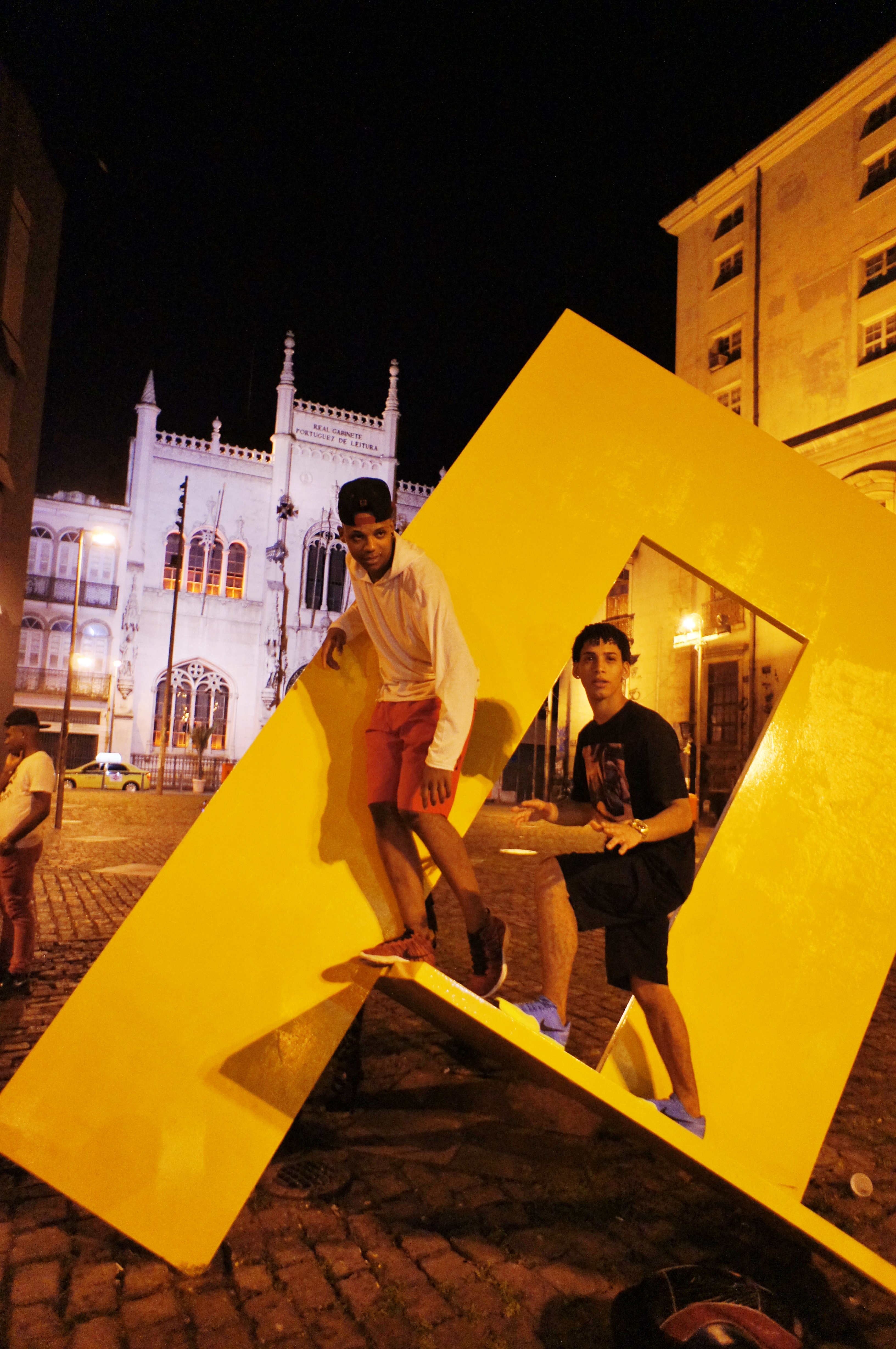
Outside the stage door, post-performance: passinho kids play on Retangulo Vazado by sculptor Franz Weissman, just in front of the Royal Portuguese Reading Room, completed in 1887, only a year before slavery was abolished in Brazil

Do lado de fora do teatro, depois do show: dançarinos de passinho brincam no Retângulo Vazado, de 1996, executado pelo escultor Franz Weissman — diante do Real Gabiente Português de Leitura, aberto em 1887, apenas um ano antes da abolição no Brasil

Rodeados, do jeito que estamos, por tantos jogos da Copa, é de espantar se alguém tem tempo para fazer qualquer coisa além de gritar, choramingar e vaiar. Mas o Rio não para, sobretudo desde 2008, quando a cidade começou a integrar as partes informais e formais, melhorando a acessibilidade. Assim que, no sábado à noite, esta blogueira corria pelo centro da cidade, tentando dar conta de tudo.

Muito infelizmente, foi preterido o fabuloso Baile Charme na Pedra do Sal. Fala-se que recebe pessoas de diferentes raças e nacionalidades de forma hospitaleira e confortável, com ótima música, no local histórico onde escravos descarregavam sacas de sal.

SONY DSC

História desconstruída no Paço Imperial, agora museu

A primeira parada foi o Paço Imperial, na Praça XV, a versão carioca do Faneuil Hall de Boston (referência magistral por ser a cidade natal da blogueira), localizado, como em Boston, de frente a um espaço que já abrigou um mercado, beirando uma baía (e os dois, anteriormente, separados por uma perimetral!) . O local é o primeiro de seis pontos no centro, escolhidos neste mês para uma série de espetáculos, encenados com uma boa dose de licença poética, mostrando momentos chave da história brasileira.

Geography similar to that of Boston; history quite different

Geografia parecida com a de Boston; história bastante diferente

O Paço Imperial é o único dos seis pontos que fica ao lado sul da avenida Presidente Vargas, que em 1944 dividiu a cidade. A parte ao norte é a área do porto, que decaiu a partir dos anos 1980, com o advento dos conteineres — e hoje está sendo revitalizada, com o programa municipal Porto Maravilha. Notavelmente, vários dos pontos na área do porto têm  alguma conexão com a história dos cidadãos brasileiros de origem africana.

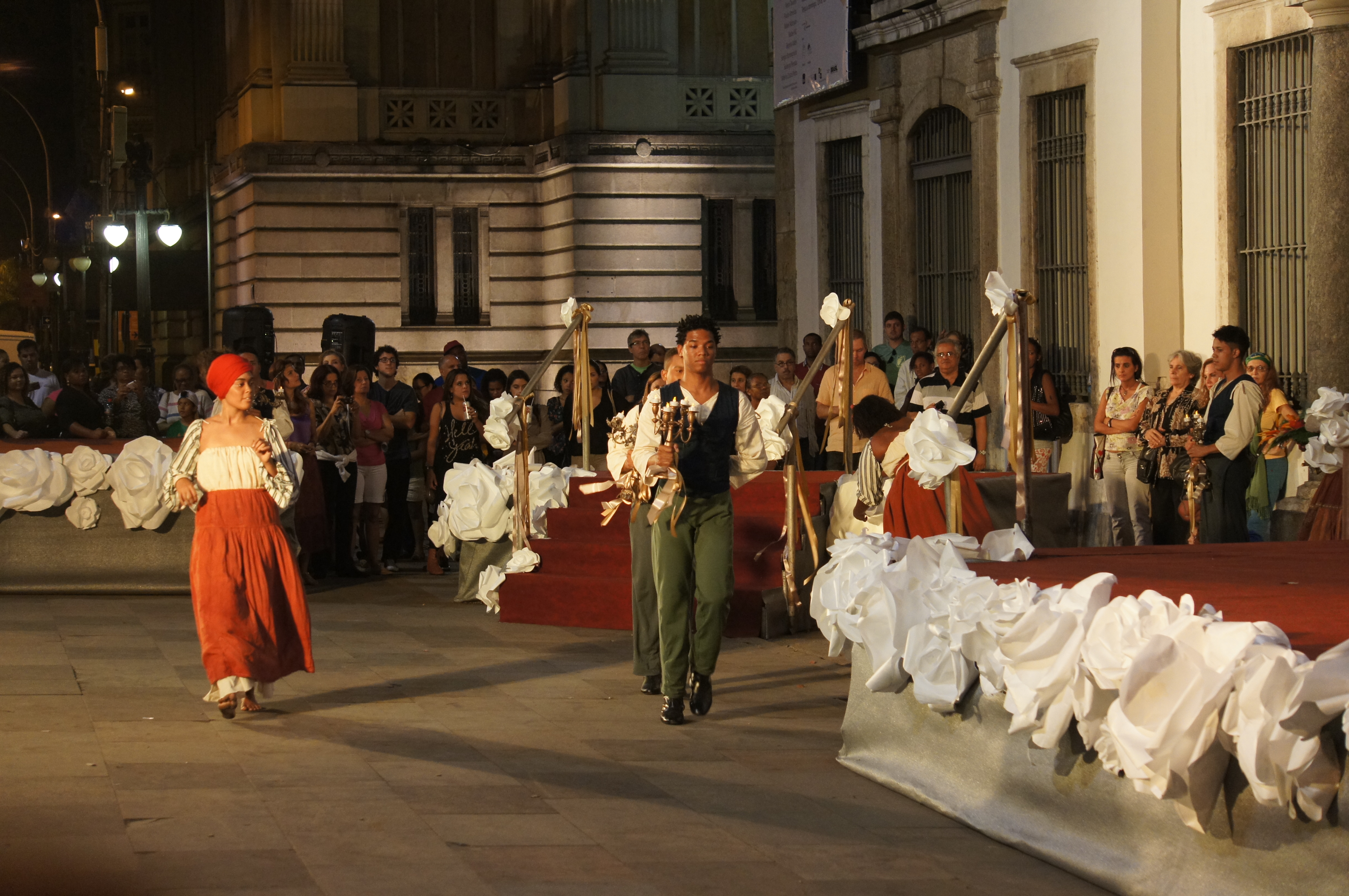
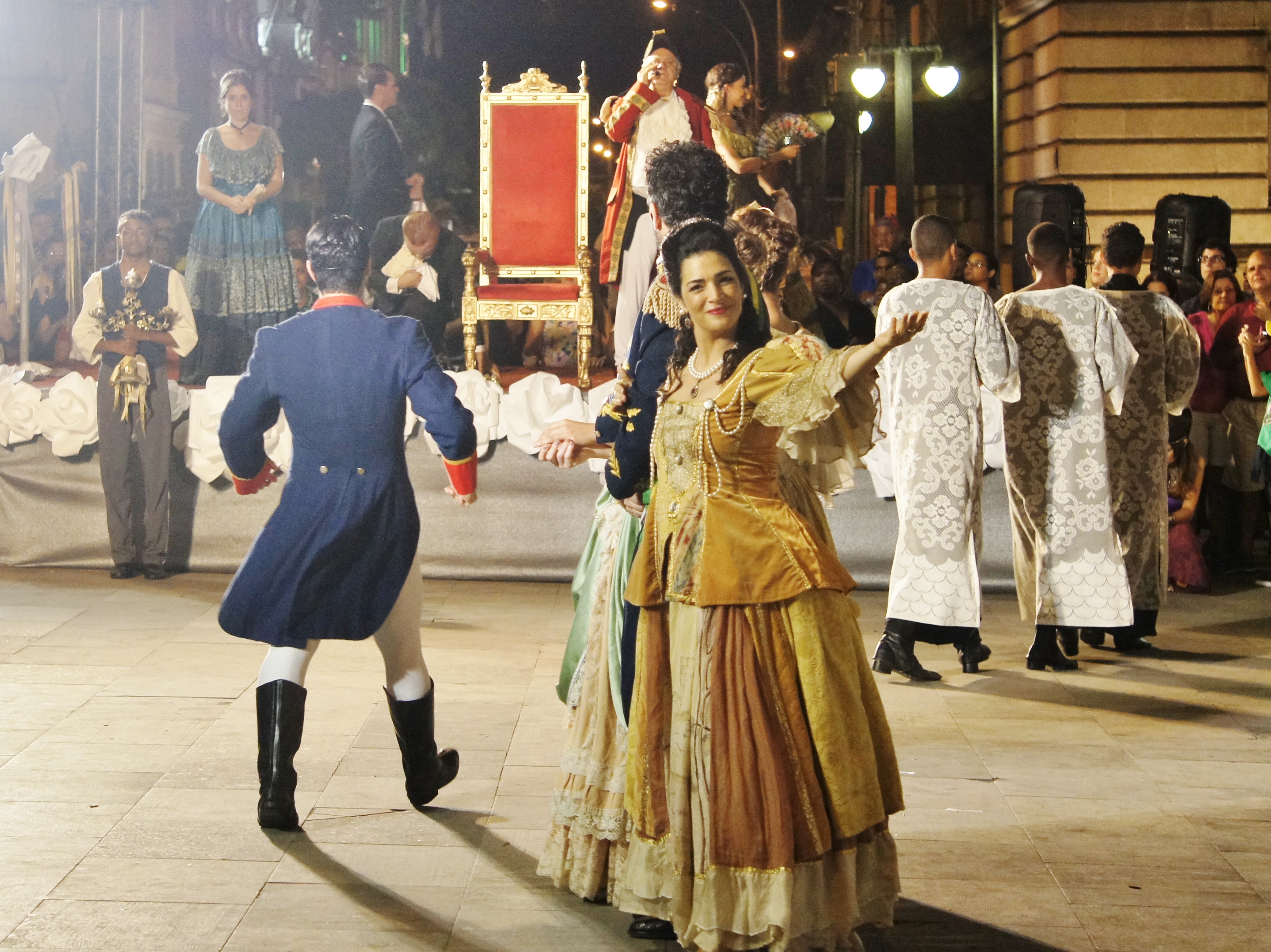
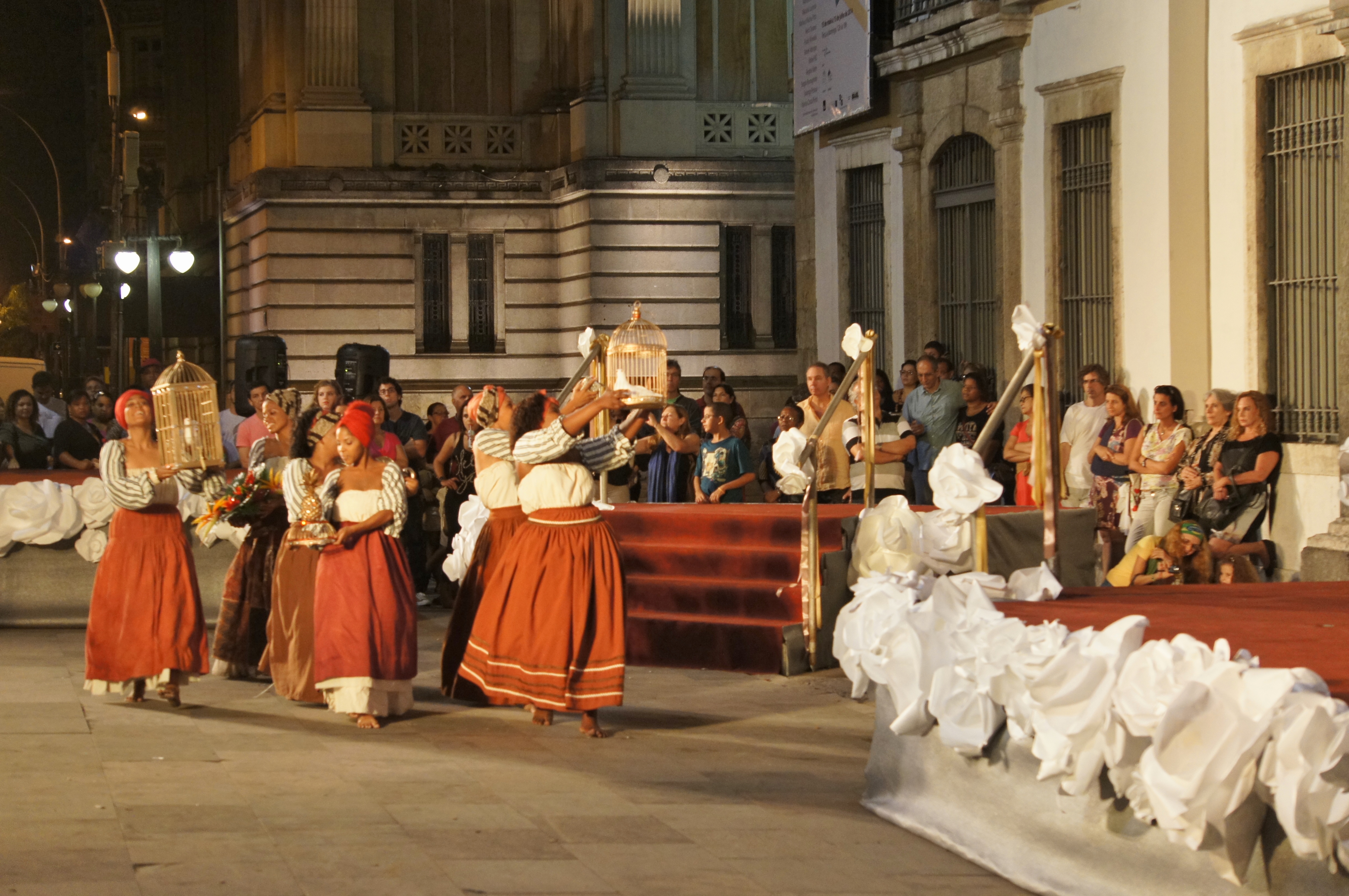
Um dos locais, o Cais do Valongo, onde desembarcavam escravos, surgiu durante as obras dos últimos anos, lembrando brasileiros de uma história dolorosa, minimizada durante séculos. Será interessante ver como o performance de música, dança e teatro, ali marcado para hoje às 17 horas, irá fazer nexo com essa história. A obra de sábado à noite — pelo menos o começo, pois aconteceu que, na correria, esta blogueira perdeu uma parte — aparentava continuar com uma certa minimização, pois escravos sorridentes entravam em cena carregando castiçais, gaiolas e um reluzente abacaxi, enquanto a corte portuguesa assistia do alto.

cccc

Eram simbólicas as gaiolas?

A deconstrução da história certamente ocupa um lugar importante no panteon das artes, mas surge, neste caso, uma dúvida: numa cidade em pleno redescobrimento de si mesma, não seria mais adequada uma simples reencenação histórica?

cccc

Movimento contagioso, luzes e música

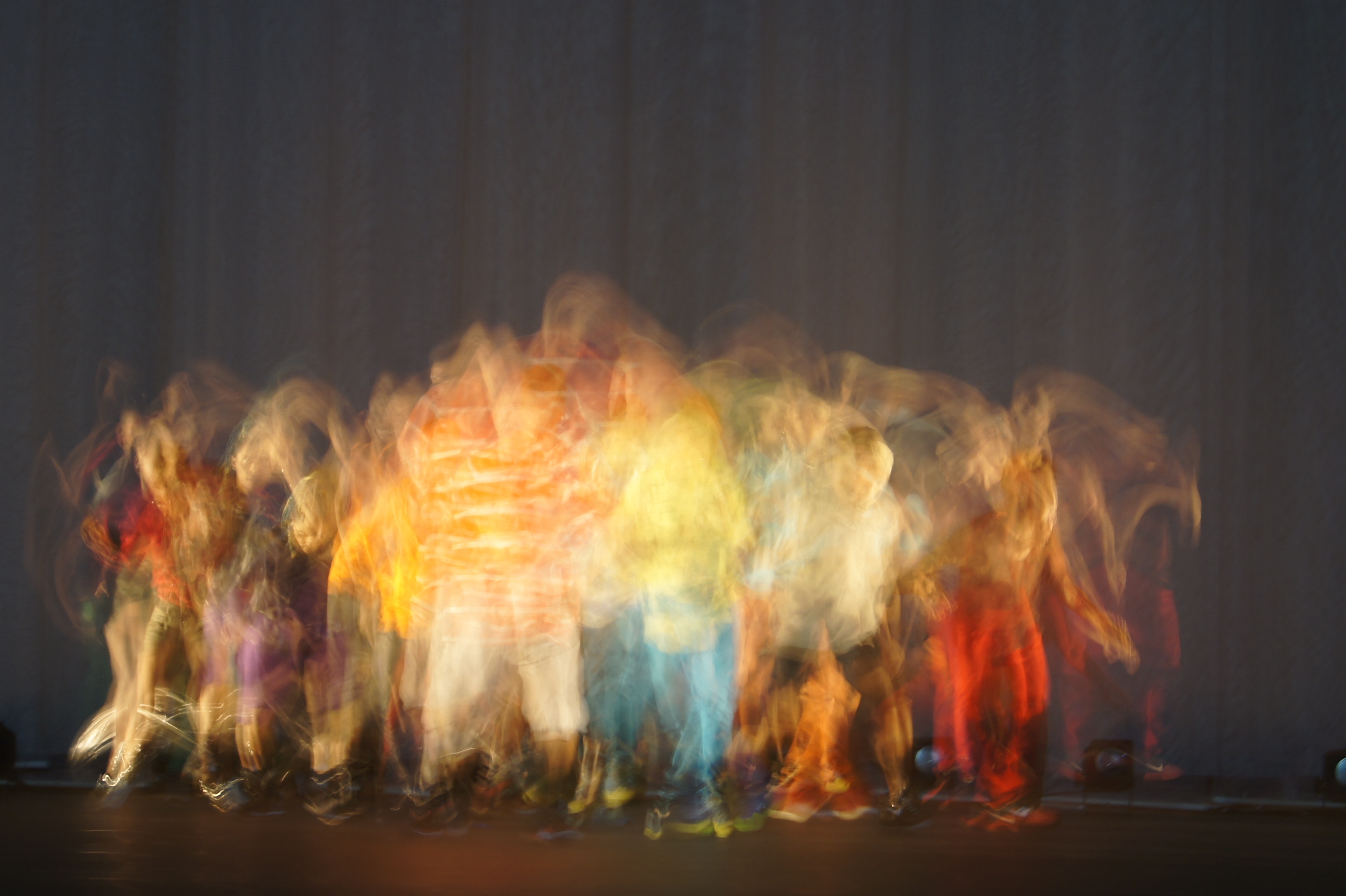
Na praça Tiradentes, um grupo de jovens dançarinos, a maioria negra, a maioria morador de favela, apresentavam, animadíssimos, o primeiro musical do passinhoNa Batalha, que estará no palco do Teatro João Caetano toda sexta-feira, sábado e domingo nas próximas semanas, até o dia 12 de julho.

Escrito por Julio Ludemir e DJ Sany Pitbull, dirigido por Raul Fernando, coreografado por Lavinia Bizotto e Rodrigo Vieira, com impressionante arte visual de João Penoni, trata-se de um espetáculo imperdível. Com grande força e energia, homenageia heróis negros e conta as rivalidades de grupos, a realidade do crack, a violência policial, o trabalho, a moradia e muito mais que hoje faz parte da vida no Rio de Janeiro.

O passinho se destaca de outras correntes de dança de rua pela conexão íntima que tem com a mídia social, sobretudo a YouTube.

E, se você não estiver no Rio, corra a Nova York para ver o passinho. Após a apresentação do fabuloso documentário de Emílio Domingues sobre o passinho, no dia 22 de julho às 18h30, os rapazes estarão no festival Out of Doors do Lincoln Center, às 20 hs.

Agora veja um vídeo amador e exclusivo do grupo, na brincadeira após o show de sábado:


Posted in Brasil, Porto Rio de Janeiro, Transformation of Rio de Janeiro / Transformação do Rio de Janeiro | Tagged , , , , , , , , , | 1 Comment

Rio de Janeiro street culture during the 2014 World Cup

Outside the stage door, post-performance: passinho kids play on Retangulo Vazado by sculptor Franz Weissman, just in front of the Royal Portuguese Reading Room, completed in 1887, only a year before slavery was abolished in Brazil

Outside the stage door, post-performance: passinho dancers clown around on the 1996 Retângulo Vazado (Cutout rectangle) by sculptor Franz Weissman, just in front of the Royal Portuguese Reading Room, completed in 1887, only a year before slavery was abolished in Brazil

With so many World Cup games around us, it’s a wonder any of us have time to do much else but hoot, whine and boo. But Rio is nonstop, particularly since 2008, when the city began to integrate formal and informal areas, improving acessibility. So last night, this blogger was racing around downtown, trying to keep up.

A fabulous Baile Charme at the Pedra do Sal went by the wayside, most unfortunately. One hears it’s an inviting and comfortable racial mix, with great music, at the historical site where slaves used to unload salt sacks.

SONY DSC

Fractured history at the Imperial Palace, now a museum

First stop was the Imperial Palace in Praça XV, Rio’s answer to Boston’s Faneuil Hall, set, as in Boston, facing a former market area adjacent to a bay. The location is the first of six downtown spots chosen this month for a series of performances, carried out with a great deal of poetic licence, of key moments in Brazilian history.

Geography similar to that of Boston; history quite different

Geography similar to that of Boston; history quite different

The Imperial Palace is the only one of the six performance locations on the south side of Presidente Vargas Avenue, which cut the city in half in 1944. The north portion is the port area, which fell into decadence starting in the 1980s, with containerization — and is now being brought back to life, with the city’s Porto Maravilha (Marvelous Port) program. Notably, many of the port area venues have some connection to the history of Brazil’s citizens of African origin.

One spot, the Valongo slave wharf, was actually uncovered during the construction work, reminding Brazilians of a painful history glossed over for centuries. It will be interesting to see how the music, dance and theater performance scheduled there tomorrow at five p.m. will connect with that history. Last night’s work — the beginning of it at least, since this blogger’s rushing around involved missing part of it — seemed to continue the glossing, with smiling slaves making an entrance carrying candelabra, bird cages and a glittering pineapple, while the Portuguese court looked on from above.

cccc

Were the bird cages symbolic?

Fractured history certainly has its place in the arts pantheon, but it would seem that for a city that is rediscovering itself some plain historic reenactment might be just the ticket…

cccc

Infectious movement, light and music

Meanwhile, a group of young dancers, mostly black, mostly favela residents, were enthusiastically putting on Rio’s first passinho musical, Na Batalha (In the Battle) which will be performed over the next few weeks, every Friday, Saturday and Sunday, until July 12, at the João Caetano theater.

Written by Julio Ludemir and DJ Sany Pitbull, directed by Raul Fernando, choreographed by Lavinia Bizotto and Rodrigo Vieira, with amazing visual art by João Penoni, this is a show not to be missed. With great vibrancy, it honors black heroes, tells of group rivalries, the reality of crack, police violence, work, housing and so much else that is germane to life in Rio de Janeiro today.

Passinho stands out from street dance because it is so intimately connected with social media, particularly YouTube.

And if you’re not in Rio, race to New York to see them. Following the screening of Emilio Domingues’ fantastic documentary about the passinho dance on July 22 at 6:30 p.m. , they’ll be at the Lincoln Center’s Out of Doors Festival, at 8 p.m.

Here’s an exclusive amateur video of the group, messing around after the show.


Posted in Brazil, Porto Rio de Janeiro, Transformation of Rio de Janeiro / Transformação do Rio de Janeiro | Tagged , , , , , , , , , | Leave a comment

O czar da segurança pública do Rio em fim de mandato: mocinho ou otário?

No livro de memórias, Todo dia é segunda-feira, José Mariano Beltrame faz um relato insider da pacificação — e trata de muito mais que vale a pena ler

For Outgoing Rio public safety czar: good guy or sucker?, click here

Fez a parte dele, diz

Ele não é carioca. Veio de Santa Maria, cidade gaúcha onde, no ano passado, 242 jovens morreram em um incêndio de boate

A política no Rio de Janeiro  é tão carregada de decepções e traições que o máximo que muitos cariocas dizem do Secretário de segurança pública, cujo tempo recorde de sete anos no mandato supera seus antecessores em quatro anos, é que, ao menos, ele parece ser honesto.

E, então, eles apontam, de maneira ranzinza, que o chefe dele, Sérgio Cabral (que renunciou ao mandato em abril para ajudar seu vice-governador a fazer bonito nas eleições de outubro) não tem um histórico tão imaculado. Como ele, Beltrame, poderia realmente ser honesto…???

O clima é sombrio com a chegada da Copa do Mundo (sobretudo nas manchetes do jornal O Globo, que tendem a apontar as falhas da presidente Dilma) e pode piorar bastante à medida que se aproximam as eleições presidenciais e estaduais. Sobretudo, se o Brasil perder a Copa e se as taxas de criminalidade continuarem a aumentar. Ou não, se o Brasil, um país cada dia mais bipolar, ganhar o campeonato, trazendo redenção plena a todos nós.

Diante do que ainda está por fazer, com tudo que está errado, acabamos esquecendo como era a vida antes de Beltrame assumir o posto e diminuímos a magnitude do que ele e a equipe dele realmente fizeram:

A Polícia Militar do Estado do Rio de Janeiro, a primeira do país, criada no começo do século XIX por Dom João VI e conhecida na época como Guarda Real da Polícia, vivia um marasmo. Com o peso da tradição de dois séculos, trazia mazelas prejudiciais até hoje. Eu me perguntava: os resultados têm sido satisfatórios e nos autorizam a repetir as velhas fórmulas? Se eu reproduzisse o que se fazia há 200 anos, obteria os mesmos resultados por mais dois séculos.

Até 2008, a política de segurança pública consistia, basicamente, em reagir a denúncias da imprensa, invadir favelas esporadicamente e depois sair. Os comandantes de batalhões eram nomeados por motivos políticos. As estatísticas de crimes ainda demoram dois meses para serem disponibilizadas (e, como Beltrame ficou sabendo, em Los Angeles são atualizadas instantaneamente).

O desafio dos policiais no primeiro filme Tropa de Elite, que, para conseguir trabalhar, precisam sair catando peças para a viatura, era real. Beltrame conta que às vezes três carros eram depenados para que um funcionasse.  Além de mexer no quesito das viaturas – e o de computadores, e muito mais em termos de equipamento e pessoal, Beltrame e uma equipe de estrategistas criaram a pacificação.

É interessante que, a despeito do objetivo declarado de redução da violência (e não do tráfico de drogas), o secretário fala, em suas memórias, do território como estratégia para enfraquecer as gangues de narcotráfico:

Desde muito cedo, eu pensava que a lógica para implodir o poder do traficante era abalar a estrutura do território. Se a droga é apreendida, o bandido compra mais. Se ele vai preso, em segundos já tem um substituto. Por outro lado, se perde o território, que é protegido por armas, fica vulnerável. Era o que me vinha à cabeça: acabar com aquilo que sustentava as facções e seus negócios – o domínio do território imposto por armas de guerra.

Seria crucial, para o futuro da pacificação, descobrir em que medida a perda de território realmente enfraqueceu o tráfico de drogas. Roberto Sá, Subsecretário de segurança pública, quando perguntado sobre isso em uma entrevista recente com o RioRealblog, destacou que aumentou a detenção de traficantes por outros crimes, indicando uma troca de atividade. Ele apontou também uma subida no preço dos fuzis. Aparentemente, não se sabe muito sobre os preços das drogas.

Beltrame escreve sim que os traficantes adequam o produto à demanda. Quando necessário, eles vendem papelotes menores de cocaína ou optam por vender crack. Ele acredita que as armas realmente irão sumir desse mercado aos poucos.

Alguns analistas observam que o domínio de território aumenta os custos do traficante. Pode ser que, em resposta à pacificação, os traficantes mais espertos tenham diminuído a estrutura e estejam faturando mais do que nunca, a partir de algum apartamento em Botafogo.

Muitos cariocas acreditam que nada está sendo feito com relação às milícias, cujas atividades surgiram na década de 1990, e que hoje dominam uma fatia significativa da vida política local.

Já é difícil chegar a alguma conclusão definitiva sobre impacto da Secretaria nas taxas de criminalidade, considerando que sofreram uma queda inicial e um recente aumento. O cidadão também pouco percebe o impacto dos policiais no tráfico de drogas, uma atividade de caráter nebuloso, num contexto em que ocupações e tiroteios em favelas são mais dramáticos e mais noticiados pela imprensa do que prisões, julgamentos, sentenças (e a libertação de detentos). O impacto da Secretaria de segurança pública sobre as milícias é ainda mais obscuro.

Não se trata de ocupações com tanques e helicópteros. Abater as milícias requer longas investigações, conduzidas pela Polícia Civil. Beltrame relata as dificuldades ali encontradas e conta como a legislação federal teve que ser alterada para enquadrar policiais de folga que extorquem moradores e comerciantes. Descreve o surgimento das milícias, o envolvimento delas na polícia e a prisão de figuras- chave em 2008. E, sim, ele é honesto:

O grande grupo de milícia no Rio é o de Jerominho, Natalino e o do ex-policial Ricardo Teixeira da Cruz, o Batman, todos presos de 2008 para cá. Esse bando se intitula Liga da Justiça e, apesar da saída de circulação de seus três chefes, continua atuando na Zona Oeste da cidade. Antes da prisão deles, dominava cerca de 1,2 milhão de pessoas em Campo Grande. Só posso classificar como aberração a existência desse Estado paralelo imposto por antigos ou atuais servidores públicos. O maior grupo rival era o do ex-PM Fabrício Fernandes Mirra, também preso e condenado em 2010 a mais de 13 anos de detenção.

Seria útil saber mais sobre a dinâmica da continuidade das milícias no Rio, mesmo anencéfalas. Talvez tenha alguma relação com um item da proposta ao Congresso semana passada, apresentada por chefes de segurança pública de estados do sudeste: a instalação de sistemas eficientes de bloqueio de sinal de celular em todas as penitenciárias. Resta saber porquê isso ainda não aconteceu.

Essa proposta lida com outra área que Beltrame trata no livro: a falta de alinhamento entre a polícia e o sistema judiciário brasileiro. Em várias favelas, como nos morros do Cantagalo e Chapéu Mangueira, a pacificação desandou em função da libertação de traficantes de drogas, que retomaram suas atividades criminosas após a saída da cadeia:

Em 2012, 26 mil presos ingressaram nas penitenciárias do Rio; no mesmo período, a Justiça liberou cerca de 22 mil detentos. Isso é bom ou ruim?

O subsecretário Roberto Sá também falou desse assunto com o RioRealblog, destacando que a comunicação entre juízes e a polícia é por vezes falha, com pouca atenção ao bem estar da sociedade como um todo. A proposta feita na semana passada também aumentaria o tempo das penas e aceleraria os julgamentos com o uso de vídeo conferências.

Beltrame descreve alguns de seus momentos mais emocionantes dos últimos sete anos, como a invasão do Complexo do Alemão em 2010; e alguns dos mais difíceis, como a suposta tortura e morte de Amarildo, um pedreiro morador da Rocinha, por policiais da UPP. Em retrospectiva, parte do texto do Secretário pode parecer otimista demais.

Mesmo assim, ele não foge de assunto qualquer e traz contexto e informações importantes sobre o período que termina por agora. O livro de 190 páginas, que, devido às informações e às percepções de grande valor, merece ser traduzido para o inglês e o espanhol e publicado no exterior, é leitura obrigatória para qualquer um que acompanhe a política de segurança pública do Rio e que esteja refletindo sobre o que deve segui-la em janeiro de 2015.

Tradução de Rane Souza

Posted in Brasil, Transformation of Rio de Janeiro / Transformação do Rio de Janeiro | Tagged , , , , , , | Leave a comment

Outgoing Rio public safety czar: good guy or sucker?

In Todo dia é segunda-feira, a memoir, José Mariano Beltrame tells an inside story of pacification, and much more worth reading

Fez a parte dele, diz

Not a carioca, he’s from the Rio Grande do Sul town where the 2013 nightclub fire took place, killing 242 young people

Politics in Rio de Janeiro are so riddled with disappointments and betrayals that all many cariocas can say about the state public safety secretary whose record-setting seven-plus years in office outstrip his predecessors by four years is that he at least seems honest.

And then they sourly point out that his boss (who just left office a few months early to give his vice-governor a better chance at the polls this October), Sérgio Cabral, hasn’t the most sparkling record. So how could someone truly be honest…???

The mood is black as we near the World Cup (particularly in the anti-Dilma O Globo headlines), and could get much worse as we approach the October presidential and gubernatorial elections. Especially if Brazil loses and Rio crime continues to spike. Or not, if Brazil, an increasingly bipolar nation, wins the championship, which would fully and uncritically redeem us all.

In the face of what remains to be done, of all that is still wrong, we tend to forget how life was before Beltrame took office and we belittle how much he and his team actually accomplished:

The Military Police of the State of Rio de Janeiro, the first in the country, created in the early nineteenth century by King John VI and known at the time as the Royal Police Guard, was in frank decline. Carrying the weight of two centuries, with longtime  serious flaws. I asked myself: have the results been satisfactory, allowing us to repeat old formulas? If I were to reproduce what was carried out for last two hundred years, I’d get the same results for another two hundred.

Until 2008, public safety policy, basically, was to react to media reports, moving into favelas sporadically, then retreating. Battalion commanders were political appointees. Crime statistics still take two months to tabulate (and are instantaneous in Los Angeles, as Beltrame came to learn).

The challenge of the cops in the first Elite Squad movie, who have to scramble for auto parts in order to do their job, was the pure truth. Beltrame reports that sometimes three cars were tapped to make one function.

Not only did he move on the issue of auto parts — and computers, and a whole lot else in terms of equipment and personnel. He and a team of strategists came up with pacification.

Interestingly, despite the avowed objective of reducing violence, not drug trafficking, the secretary speaks in his memoir of territory as a strategy for weakening drug gangs:

Early on, I thought that that the logic to implode the trafficker’s power consisted of shaking up his territorial structure. If you apprehend drugs, the trafficker buys more. If he goes to jail, a substitute pops up fast. On the other hand, if he loses the territory, which is protected by weapons, he becomes vulnerable. That’s what came to mind: do away with the sustenance of the gangs and their business — their sway over territory, imposed by weapons of war.

It would be crucial, for the future of pacification, to discover just how much the loss of territory has indeed weakened the business of drug trafficking. Asked about this recently in an interview with RioRealblog, Roberto Sá, public safety subsecretary, noted that arrests of drug traffickers for other crimes have increased, indicating a move away from the business. Rifle prices have also risen, he added. Not much is known, apparently, about drug prices.

Beltrame does write that traffickers adjust product to demand, selling a smaller dose of cocaine or reverting to crack, when necessary. He believes that rifles really will disappear from the trade, gradually.

Some observers note that territory adds cost to the business of drug trafficking. It could be that some savvy narcos have downsized in response to pacification — and are making more money than ever from an apartment in Botafogo.

Many cariocas believe that nothing is being done about the paramilitary gangs, milícias, which date to the 1990s and have come to dominate much of local political life.

It’s hard enough to discern the real impact of Beltrame’s cops on crime, given the early drop and then the recent spike; and on drug trafficking, given its nebulous nature and the fact that favela occupations and shootouts are more dramatic and newsworthy than criminal arrests, trials, jailings (and releases).  But the impact of the public safety secretariat on milícias is even less clear.

The work isn’t about moving in with tanks and helicopters; it involves long investigations, performed by the civil police. Beltrame discusses the difficulties involved and tells of how federal legislation had to be changed in order to target off-duty cops who extort residents and shopkeepers. He describes the development of the milícias, their involvement in politics and the arrest of key figures since 2008. And he’s honest, yes:

The largest milícia group in Rio belongs to Jerominho, Natalino and the former police officer, Ricardo “Batman” Teixeira da Cruz, all arrested since 2008. This gang calls itself the Justice League and it continues to operate in the West Zone, although the three chiefs are out of circulation. Before their imprisonment, they held sway over 1.2 million people in Campo Grande. I can only classify the existence of this parallel State, imposed by former or current public servants, as an aberration. The biggest rival group belonged to the former military police officer Fabrício Fernandes Mirra, also arrested and convicted in 2010, sentenced to more than 13 years of detention.

It would be helpful to know more about the apparently headless dynamics of continued paramilitary gang operations in Rio. These may have something to do with one item in a proposal made to Congress today by southwest state security chiefs: effective cell phone blocking systems in all penitentiaries. Why this still hasn’t happened is a question yet unanswered.

That proposal covers another area which Beltrame discusses in his book, the lack of alignment between police and Brazil’s justice system. Pacification has grown shaky in several favelas, such as Cantagalo and Chapéu Mangueira, where drug traffickers released from prison have returned to criminal activity:

In 2012, 26,000 people entered Rio penitentiaries; in the same period, the courts released 22,000. Is this good or bad? 

Subsecretary Roberto Sá also spoke of this issue with RioRealblog, noting that communication between judges and the police is sometimes faulty, lacking focus on the greater good for society. The proposal being made today would also lengthen sentences and speed up trials, with the use of videoconferencing.

Beltrame describes some of his most exhilarating moments in the last seven years, such as the 2010 invasion of the Complexo do Alemão, and some of the most difficult, such as the apparent police torture and killing of Amarildo, a Rocinha construction worker. Seen in hindsight, some of the secretary’s prose may seem overly positive. But he avoids no topic and provides key context and background to the period now coming to a close. The 190-page book, which ought to be translated into English and Spanish and published abroad, for its valuable information and insights, is a must-read for anyone who follows public safety policy in Rio and is thinking about what ought to come next.

Posted in Brazil, Transformation of Rio de Janeiro / Transformação do Rio de Janeiro | Tagged , , , , , | 4 Comments

The sixties are coming to Brazil

This is off-topic, but readers may be curious to read a translation of today’s essay by your blogger in the online version of Época magazine, in Ruth de Aquino’s blog. The original is here, with a great photo by Margaret Day, of the young journalist and community leader from Complexo do Alemão, Rene Silva.

Perhaps the fact that a growing number of young black Brazilians are letting their hair grow, without using straighteners or wearing braid extensions, is more than a passing fashion statement. The new look, which harks back to the time when black militants were fighting racism in the United States, is called “Black Power” — in Portuguese. It speaks of power and self-esteem.

And, as we saw last year during the many street demonstrations, it’s not only black people who are starting to feel important in Brazil.

Contrary to what my children think, I’m too young to have participated in the core American counterculture years. I didn’t ingest a ton of drugs and I didn’t take part in a ton of anti-war protests. Yet I do recall how everything was up for discussion, the disdain for the “establishment”. Young people went to sit-ins. They wanted to participate more, manage their own lives and learning experiences. The police who dragged them away from the sit-ins (and who actually shot people, killing some) were called pigs.

The counterculture came out of the growth of the American middle class. Like thousands of Americans, my father, a son of poor immigrants, came home from World War II and went to college under the G.I. Bill. He became a lawyer, left the poor neighborhood of his youth, and took his wife and daughters to live in a house near good public schools, with a lawn to mow in the summer and leaves to rake in the fall.

The post-war generation revolutionized American life. No longer did we blindly accept the orders of teachers, principals, bosses, religious leaders, parents or police. No longer did we follow traditions. We didn’t like presidents who sent young people to their deaths in the Vietnam War. We traveled, tried out new things, invented stuff, introduced new behaviors and ideas: the Frisbee, Rubik’s Cube, the mini-skirt, sex before marriage, expresso coffee.

In Brazil at that time there were also demonstrations and a questioning of authority. But the social structure didn’t change much. After all, the military took power in 1964 and stayed in Brasília until 1985, to maintain the status quo. In their time there was economic growth and a measure of social mobility. The structure, however – who was in charge of whom – didn’t change.

Today, millions of people in the old “third world” countries, including Brazil, are leaving extreme poverty. Since the 1988 constitution, a larger proportion of people stay in school until age 14. Formal employment, with its benefits, has grown significantly. Wages and pensions have seen real gains. Universities now offer quotas and scholarships for low-income students. Everyone, even favela residents, travels more than their parents did. Almost everyone uses the internet – though the Brazilian connection is often poor.

Just how long this scenario will last is in doubt. But there is reason for some hope. Politicians, police, unions and parties are on the downside of the seesaw. Right before our eyes, centuries-old authoritarianism is withering. Não me representa! — this doesn’t represent me! is the slogan of the day.

As information (correct or not) flows, networks are born and citizens begin to ask questions, the social structure is shaken up.

There’s chaos, we’re in a pressure cooker. Lynchings, buses in flames, tragedy and incoherence spread across the country.

Yes, it’s the sixties, coming in for a landing in a terrain with more inequality and less social and institutional infraestructure than the United States had, when Lyndon Baines Johnson was president and Martin Luther King led the battle for civil rights.

Order must be restored, the army called in, strikes judged illegal. But it’s also important to realize that the hair has grown and gone curly. Brazilians have discovered just how quiet, safe and efficient the buses are in New York. And the 2014 World Cup is showing us, as if the soccer ball were a kind of sun lighting up our most hidden and sordid corners, who loses and who wins every day in this country.

Beginning in the 1960s, a dialogue developed in the United States that resulted in more citizens participating in the institutions that rule over everyone. Today, for example, no one calls a cop a pig. As a matter of fact, every time a stop-and-frisk occurs, the police officer has to fill out a form, detailing the reasons for it! Accessible to the public, the forms are analyzed by academics and groups that defend constitutional rights. Issues of racial discrimination are taken up in court. The press and politicians take part in the debate.

As for us here in Brazil, what will we come up with to replace the old authoritarianism, in this, our counterculture moment?

Posted in Brazil, Uncategorized | Tagged , , , , | 17 Comments

Tested today, Rio police readying for expected “fragmented protests” against World Cup

So far, peace in Rio

Though violence erupted today in Recife and São Paulo, Rio de Janeiro was peaceful, as teachers and other protesters, estimated at up to two thousand people, marched and protested here.

A Rio public safety secretariat source said that police don’t expect any massive protests in coming months, but instead, smaller groups appearing in different parts of the city. The source added that at least five agencies, at different levels of government, are scrutizining social media for intelligence on protesters’ plans. They are sharing information and meeting regularly.

SONY DSC

Pre-Cup training exercise, today

The U.S. Federal Bureau of Investigation has been training Rio police, and exercises held today (while other troops got in place to deal with downtown protesters) were the result of a week-long course that covered communication regarding event organization, decision-making, tactical exercises, social media, behavior indicators, information flow, incident management and intelligence groups.

Local police learned how to analyze images from helicopters and elevated platforms, to identify the elements of a crowd and try to anticipate violence.

Rio police regularly work in conjunction with police from other countries. For the World Cup, they also have support from a gamut of Brazilian public safety forces and the Brazilian military, as well.

ccc

Not real tear gas, for the exercise

São Paulo saw serious disturbances today, starting early in the morning with protesters blocking major arteries and ending with nighttime vandalism in downtown areas. Here is a roundup of protests in Brazilian capitals, part of the International Day of Protests against the World Cup.

The relative peace in Rio may be due to the fact that, after a two-day bus strike crippled the city, commuters today at last experienced public transportation normalcy. In addition, in late April the city had an extra day off, Saint George’s day, after celebrating Good Friday, Easter and Tiradentes holidays. With the World Cup expected to disrupt routines for a month even if there are few popular disturbances, many cariocas simply want to get some work done now.

Rio bus drivers and fare-takers are set to meet this coming Tuesday about their ongoing strike demands, made outside the formal union framework.

While Brazilians, young and old, may rack up record purchases of a traditional World Cup sticker album, many soccer enthusiasts feel an unprecedented ambivalence about supporting the national team. World Cup spending and priorities have put a damper on the usual quadrennial madness. But this could all change, once the games start and the beer begins to flow.

ccc

Press troops, international and local, watch the exercise from a balcony, at the Shock Battalion headquarters in downtown Rio

For previous posts on World Cup police readiness, click here and here.

Posted in Brazil, Transformation of Rio de Janeiro / Transformação do Rio de Janeiro | Tagged , , | Leave a comment

Repensando as drogas, repensando a sociedade


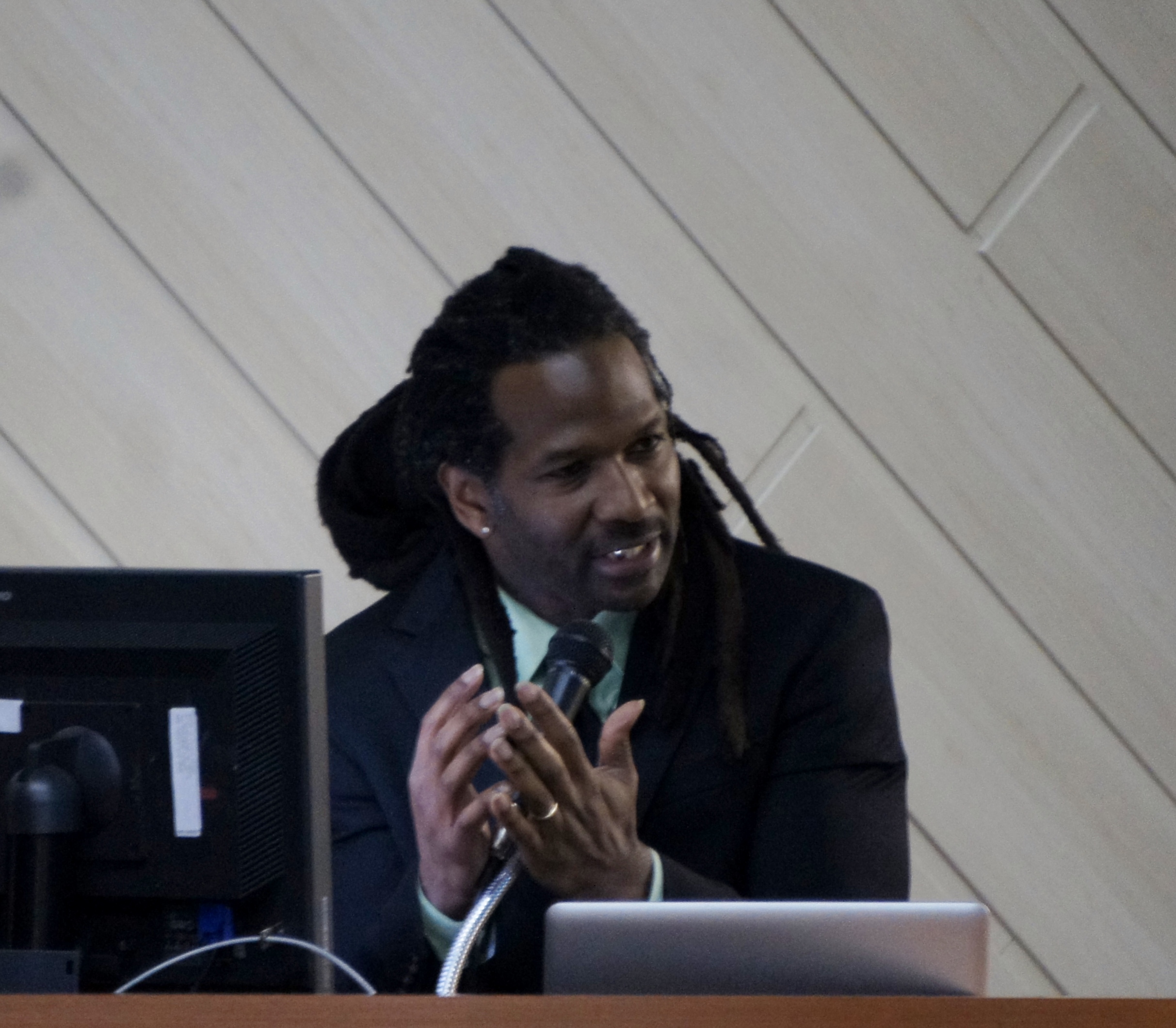
Carl Hart, autor de Um preço muito alto

Carl Hart, autor do livro Um preço muito alto

Após mais de uma década de inclusão social e econômica, o Brasil talvez esteja diante de dois cenários. Ou o pêndulo muda de sentido, agora limitando cada vez mais a mobilidade social, congelando o status quo; ou iremos expandir e aprofundar os ganhos já alcançados.

As dificuldades econômicas que começam a aparecer nos últimos meses apontam para o primeiro cenário. Mas é difícil imaginar hoje, num contexto de crescentes demandas e questionamentos sociais, que o segundo cenário não venha a se materializar em algum ano próximo, nem que seja após um período de digestão das novidades que já experimentamos. Também, com uma eleição próxima — que irá decidir o futuro de nossa política de segurança pública — o debate amplo é essencial.

Portanto, a palestra ontem do psiquiatra e professor norte americano, Carl Hart, sobre “Drogas e Sociedade”, traz questões prementes para o Brasil. Diz Hart que a guerra às drogas serve apenas para excluir as pessoas “indesejáveis” da sociedade, que o problema verdadeiro não é o tráfico de drogas nem o vício das drogas, mas a pobreza.

Foi uma troca instigante, com a participaram do desembargador Siro Darlan, o pesquisador da Fiocruz Francisco Inácio Bastos, Orlando Zaccone, delegado de polícia civil, e Bruno Torturra, jornalista; além de Julita Lemgruber, coordenadora do Centro de Estudos de Segurança e Cidadania da Cândido Mendes. Com o apoio da fundação Open Society, Lemgruber organizou este evento.

ggg

O consenso é que o álcool produz consequências piores do que as drogas

Seguindo o padrão dos Estados Unidos, o Brasil já ostenta uma das maiores populações carcerárias no mundo. Ela é composta, sobretudo, de jovens negros, usuários de drogas.

Pela descriminalização e/o a legalização das drogas

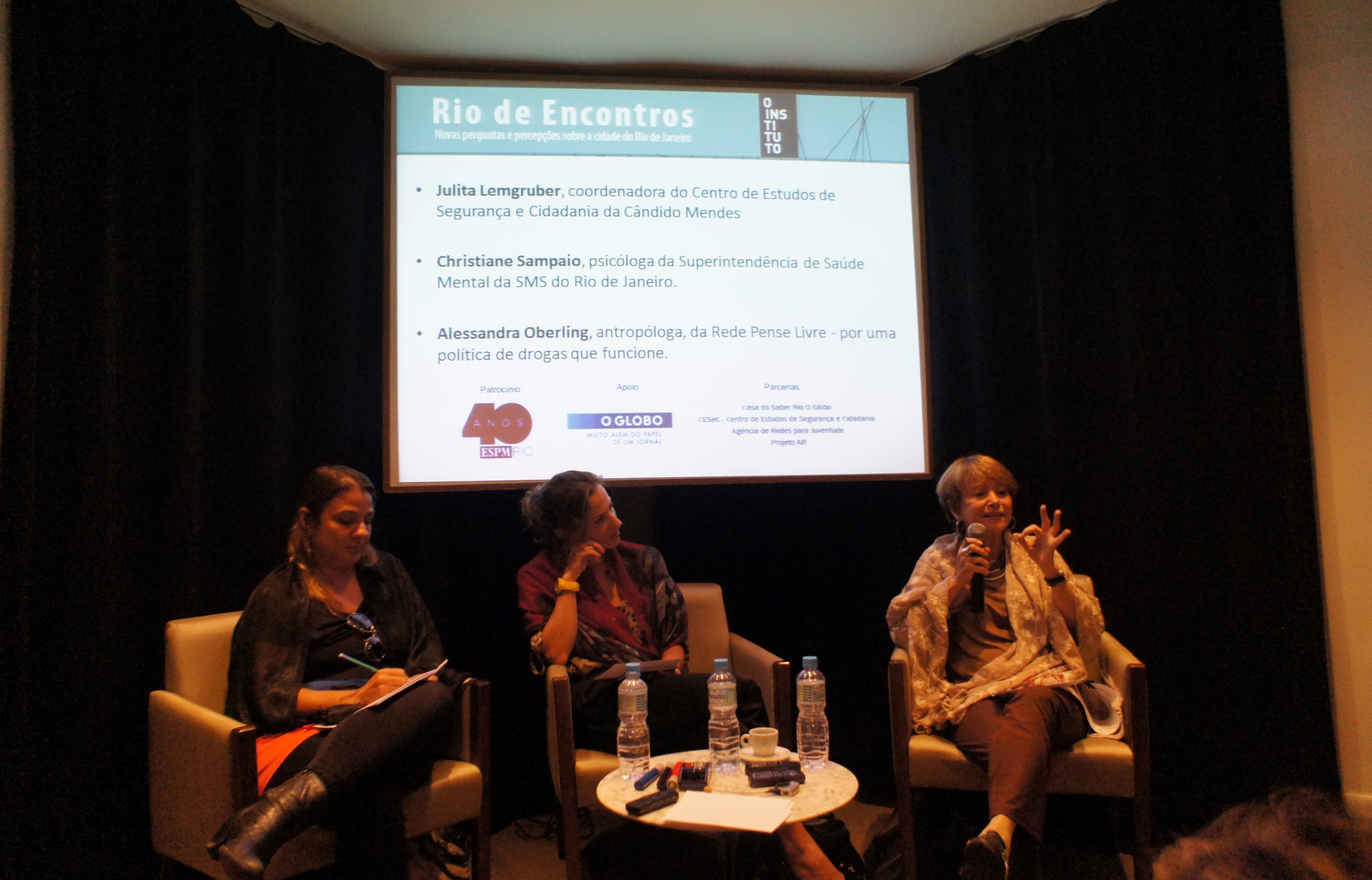
Drogas e sociedade também foram debatidas no último Rio de Encontros, que tratou de “Drogas, respostas alternativas e políticas públicas”.  Nesse encontro, entre especialistas e jovens, Julita Lemgruber, ex diretora do sistema fluminense presidiário, logo apontou a morte recente, em consequência de um tiro, do jovem dançarino DG, na favela Cantagalo, em Copacabana. Diz ela que mortes como essa acontecem porque nosso foco está no combate ao tráfico, quando deveria estar no combate à pobreza. 

vvv

O governo conseguiu reduzir o tabagismo, por que não pode agir sobre o consumo de drogas?

“A legislação atual dá brechas para que o juiz, por exemplo, use circunstâncias pessoais e sociais na hora de julgar entre usuário e traficante. O que está aí está dando resultados? O que está por trás da violência é a guerra às drogas,” declarou Julita.

O debate, que contou também com a participação da psicóloga Christiane Sampaio e da antropóloga Alessandra Oberling, trouxe surpresas: muitos participantes jovens, tantos os que moram em favela quanto os alunos da ESPM, não gostariam de ver a legalização das drogas que as debatedoras propõem. Para eles, o vício preocupa demais, abalando famílias e vidas. O estado não atende às necessidades dos viciados e de suas famílias. Muitas vezes, quem preenche o vácuo é uma igreja.

Algumas dessas preocupações surgiram também durante o debate após a apresentação de Carl Hart, que respondeu de maneira rápida e provocadora. Tirar a droga não resolve o problema do viciado, alertou. O certo é procurar a causa original do vício e educar a sociedade sobre todos os aspectos das drogas. As pessoas precisam saber com são ingeridas e como funciona a tolerância, por exemplo; quando e por que as pessoas usam drogas. Todo mundo, ele apontou, acaba por saber quanto álcool consegue tolerar. E as drogas?

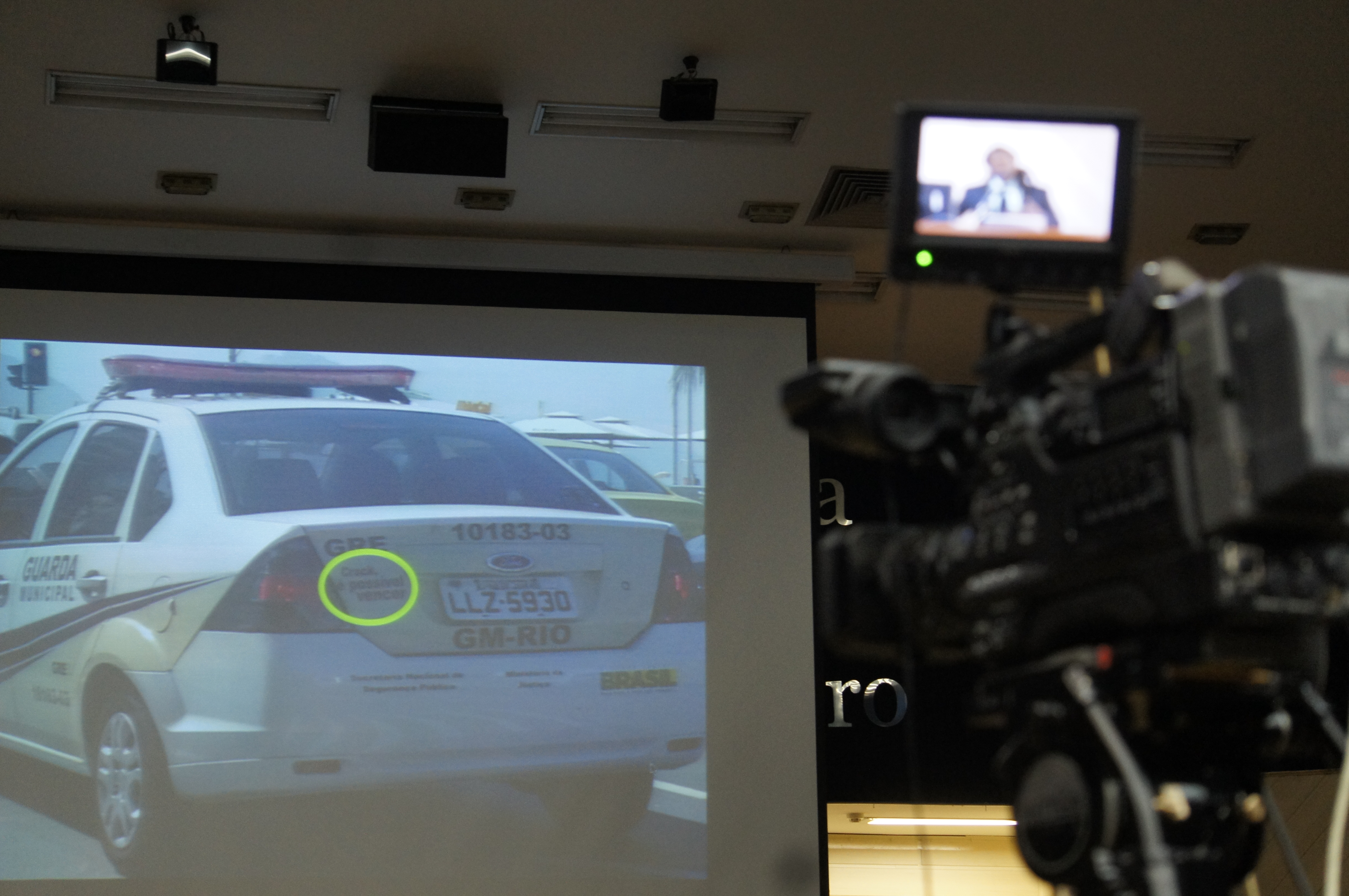
"Crack, é possível vencer", no parachoque

“Crack, é possível vencer”, no para-choque: Hart andou no Rio, fotografando nossa realidade

Há mitos sobre drogas, prosseguiu. Os viciados não são zumbis. Hart fez um experimento no qual ofereceu cinco dólares ao viciado como alternativa a uma dose de crack. Todos optaram pelo dinheiro. “Vocês vão me dizer que usaram a grana para comprar drogas depois do experimento,” ele disse. “Pode ser. Mas muitos deles me pediram para escrever cheques para pagar suas contas. Isso mostra que são pessoas racionais.” O certo, acrescenta, é que os pobres tenham alternativas às drogas: relacionamentos sólidos, trabalho, estudo, comida.

ggg

A palestra de Hart aconteceu um dia antes da Marcha da Maconha no Rio de Janeiro

Outro mito vem dos políticos, Hart afirma. “A guerra às drogas permite que os políticos finjam que estão lidando com os pobres. Querem que você acredite que o crack cria a pobreza.” Ele e outras pessoas, como Christiane Sampaio, do governo estadual do Rio de Janeiro, que administra consultórios de rua, dizem que é preciso ouvir os usuários de crack, saber do que precisam, simplesmente atendê-los.

Ideias que mexem com (quase) tudo o que pensamos sobre o mundo

O Brasil está pronto para descriminalizar as drogas? perguntou um participante ao Hart, que propõe a descriminalização como passo intermediário à legalização de todas as drogas. Enquanto um comentarista da mesa lembrou que perguntava-se se os escravos estavam prontos para a liberdade, na época da Lei Aurea, Hart foi ao ponto:

“O ser humano está pronto para qualquer coisa, é só dar uma oportunidade,” disse.

ccccc

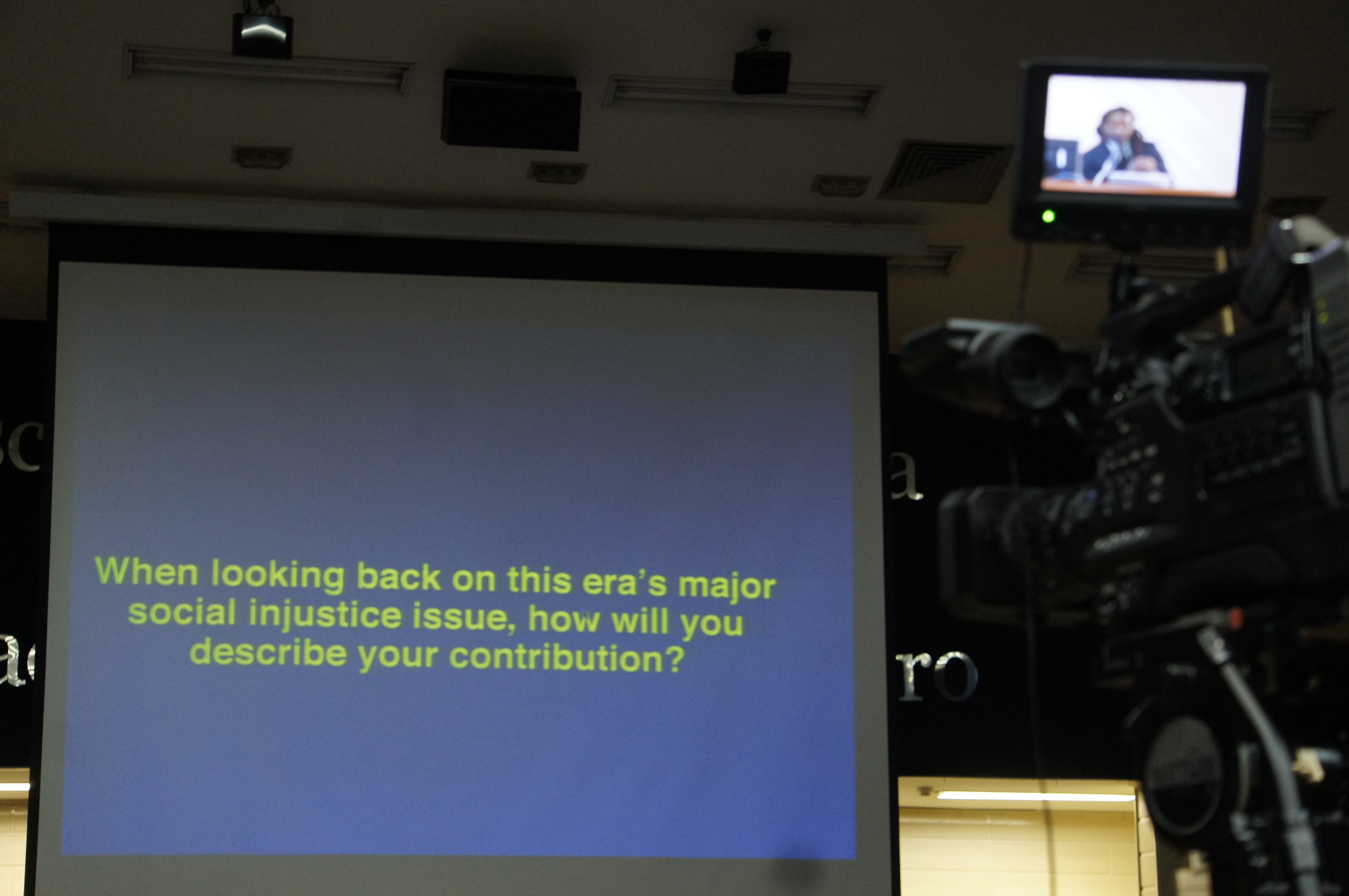
Quando você olhar para trás para o assunto maior de injustiça social desta época, como você irá descrever sua contribuição?

Para assistir a um vídeo feito pelo comediante político Rafucko, sobre a cocaína e a política brasileira, clique aqui.


Posted in Brasil, Transformation of Rio de Janeiro / Transformação do Rio de Janeiro | Tagged , , , , , , , , , , , | 1 Comment

Strikes in Rio: anything goes

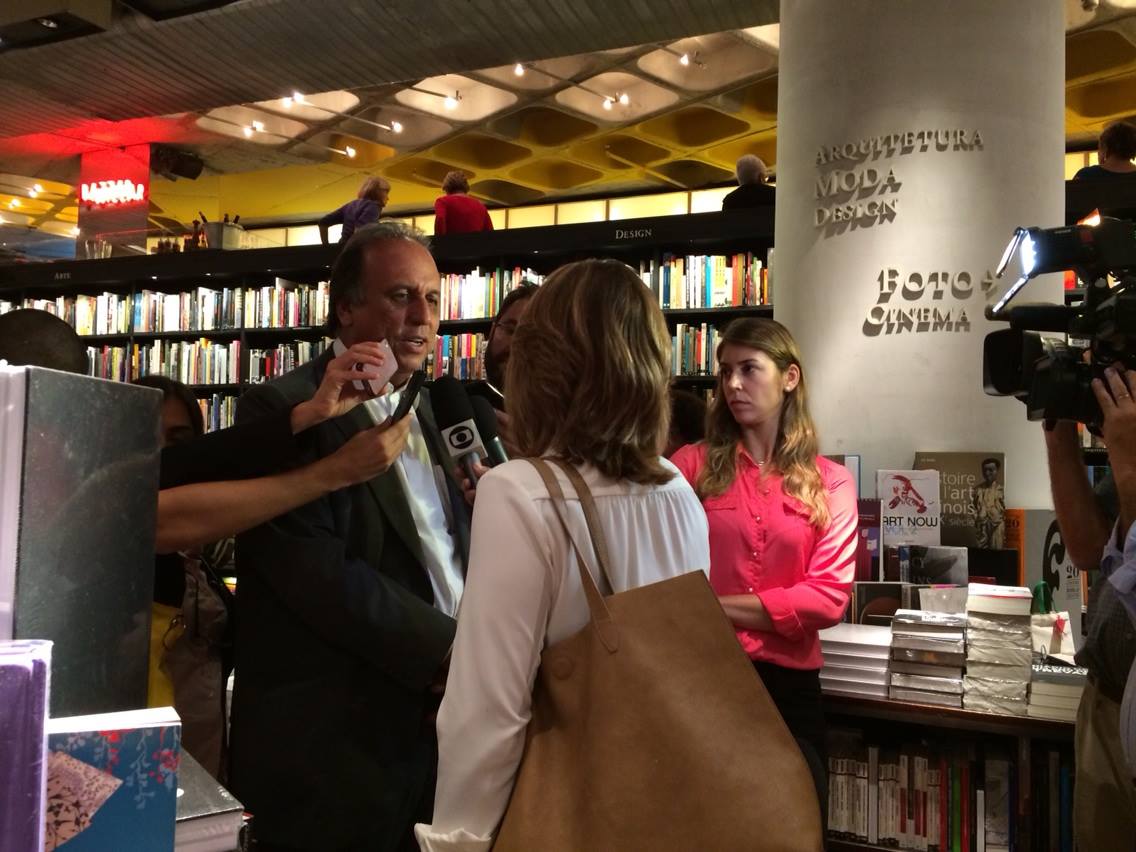
Rio governor Pezão: public safety challenges

Rio Governor Pezão: public safety challenges, current and future, in an election year

Distrust reigns in run-up to Brazil’s World Cup, showcase for protests

Perhaps the only group of workers who are sure not to strike here in the coming days are Rio’s trash collectors. During this past Carnival, with torrential rain in the offing, they pushed mayor Eduardo Paes to the wall  and got themselves a 37% pay hike.

Probably the Military Police will stay on the job. Back in 2012, they went on strike and got a pay raise in addition to an existing plan of increases and bonuses. Even so, they’re unhappy about having their days off canceled this month, in response to rising crime rates.

But the same cannot be said for Brazil’s Federal Police, counterpart of the U.S. Federal Bureau of Intelligence. A group of Federal Police, from whose ranks José Mariano Beltrame rose to his current post of state Public Safety Secretary, demonstrated yesterday for a pay raise and other benefits, while Brazil’s soccer coach announced the makeup of the national team.

Nor can the same be said for Rio’s municipal and state teachers, who vowed to stop work this coming Monday, complaining that their employers have not lived up to an agreement made ending a previous strike, last year.

Bus employees, striking for 24 hours ending at midnight, today brought many parts of Rio to a standstill. Local media report the vandalism of 467 buses, but this is only five percent of the city’s fleet of 8,700, as reported by O Globo newspaper. Strikers claim their union signed a 10% pay raise agreement without consulting them, but the union says the increase was duly voted on.

The question of just how much a union represents its members has been coming up more frequently, perhaps as a consequence of last year’s street protests. At that time, protesters coined the slogan “não me representa“, as they criticized Brazilian politicians.

There is also the question of just how much the strikers represent real labor demands. Because this is a gubernatorial and presidential election year, some observers suspect that political interests are behind strikes and the violence they spark.

Here too lies a connection with the 2013 protests. Until the death of a cameraman in February, downtown demonstrations featured black bloc members who often brought them to a violent close. Few broad-ranging downtown protests have taken place since then. Instead, poor neighborhoods have increasingly taken to streets, to protest police violence.

Though there have been accusations made, of political parties and politicians paying protesters, and of drug traffickers forcing favela residents to demonstrate, there is no way to determine to what degree people are truly speaking out and to what degree they are acting at the behest of others. Perhaps the only certainty is that violence is spreading in Brazil.

Notably, in São Paulo protesters have begun to target construction companies, key beneficiaries of Brazil’s mega-events.

While some observers say the public manifestations are an expression of hopelessness, it could also be that pronounced social and economic change over the last decade have raised expectations. Brazilians long kept on the margin may now feel that demands made are more likely to be met; this was certainly the case with Rio’s trash collectors.

An article in O Globo newspaper cites a 2,000-person-sample survey as well as social scientists, who say the violence is spurred by a lack of faith in public institutions and little dialogue between government and citizens. A sociologist compares Brazil to the 1950s and 1960s in the United States, when, he says, middle class growth led to racial conflict.

The federal government says it’s working with respective state Military Police to ensure an adequate public safety response to protests during the World Cup.

Here and now, two-term governor Sérgio Cabral recently stepped aside so his vice-governor Luiz Fernando “Pezão” de Souza, his party’s succession candidate, could have some time in the limelight. With crime on the rise, the central issue of the local election is pacification, the public safety policy that halved the homicide rate and helped to turn around the city’s fortunes, from 2008 to 2012. Should pacification continue? Can it or should it be improved? What sort of additional police reform does Rio need and want?

Despite these tough questions, the campaign hasn’t yet formally begun. Meanwhile, the growing number of street demonstrations and strikes, in addition to plain crimefighting, pacification needs and the security demands posed by the World Cup, will certainly keep Pezão and the state’s police forces on their toes.


Posted in Brazil, Transformation of Rio de Janeiro / Transformação do Rio de Janeiro | Tagged , , , | 2 Comments

Só saberemos ao certo daqui a dois anos

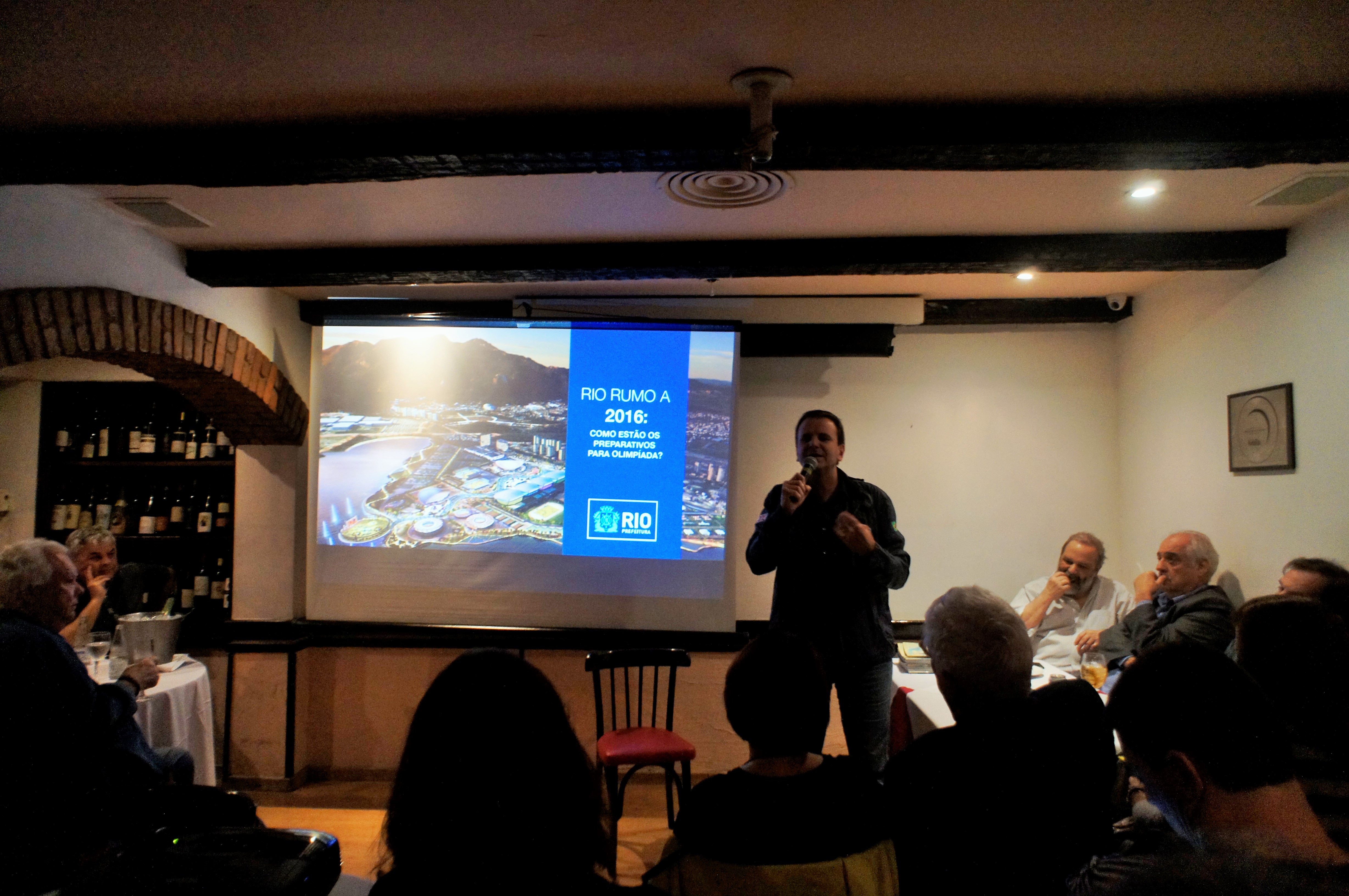
Eduardo Paes defends Olympic legacy

Eduardo Paes defende o legado olímpico

O Rio está pronto para as Olimpíadas?

For We’ll only know for sure in two years, click here

Durante a semana passada, faltando apenas seis semanas para o primeiro jogo da Copa do Mundo, que acontecerá em São Paulo (o primeiro jogo no Rio, Argentina x Bósnia-Herzegovina, no reformado estádio do Maracanã, será em 15 de junho), houve muito vai e vem quanto à preparação da cidade para as Olimpíadas.

Na segunda-feira passada, uma noite antes de John Coates, membro do Comitê Olímpico Internacional, atacar a Cidade Maravilhosa (ele suavizou o tom depois), o prefeito Eduardo Paes já estava na defensiva. Em palestra na série de debates promovida pela OsteRio, ele falou com detalhes sobre os preparativos da cidade e o legado dos eventos. Apresentou um filme de sobrevoo de vinte minutos, sobre a nova Transcarioca, faixas exclusivas de ônibus que ligam a Cidade Olímpica ao aeroporto internacional. A Transcarioca será inaugurada ainda neste ano.

Pode-se afirmar que dificuldades para cumprir prazos advêm da burocracia brasileira e da coordenação precária entre as diversas esferas governamentais. Provavelmente, a corrupção também já contribuiu para isso, pois os atrasos levam a custos mais altos e reduzem a atenção aos detalhes contratuais, beneficiando empreiteiras e aqueles que recebem favores em contrapartida. Até o momento, não surgiu nenhum escândalo relacionado com as Olimpíadas, mas a Delta, a empreiteira acusada de corrupção em outras obras (manchando a reputação de Sérgio Cabral, ex-governador do Rio),foi forçada a abandonar a obra de reforma do Maracanã em 2012,  deixando as empresas Andrade Gutierrez e Odebrecht a concluir o estádio no prazo para a Copa das Confederações em junho de 2013.

Eduardo Paes culpou o governo federal pelo atraso no repasse de verbas para as obras do Complexo Olímpico Deodoro, porém prometeu que tudo ficará pronto “com muita antecedência”. Sem mencionar quais são as empresas e concessionárias envolvidas, enfatizou o papel desempenhado pelo setor privado, argumentando que, ao contrário das Olimpíadas de Londres, a parte maior do gasto não sairá do bolso dos contribuintes.

Conforme ele demonstrou, a prioridade do Rio de Janeiro para esses mega eventos é, além de pontualidade, o legado olímpico. Esse legado está centrado no transporte público e na mobilidade em geral. Enquanto os cariocas amargam os nós no trânsito, que o prefeito causou com obras e com a demolição do elevado que serpenteava entre o centro da cidade e a baía, eles podem algum dia chegar a perceber, afinal, que tornou-se mais fácil se locomover, sem carro, do que era o caso em 2008 quando Eduardo Paes foi eleito pela primeira vez.

A cidade receberá quatro novos sistemas de BRTs — trânsito rápido de faixas exclusivas para ônibus — ; a extensão do metrô até a Barra da Tijuca; uma rede de bondes no centro do Rio; pelo menos dois teleféricos em favelas; um sistema de drenagem rápida na praça da Bandeira, localizada na região central da cidade e que sofre com alagamentos constantes; melhorias nos trens suburbanos e nas barcas; e maior eficiência no sistema de ônibus.

“Falei para a presidenta Dilma que era necessário resolver os enchentes na praça da Bandeira se íamos ter jogos da Copa no Rio,” ele confidenciou, como os políticos costumam fazer, à plateia. “Não lhe disse que chove no verão, não no inverno, quando teremos a Copa.”

À medida que o vídeo do sobrevoo se alongava, Paes confessou que no início de sua carreira como servidor público conhecia pouco da região de Jacarepaguá, na Zona Oeste, pois cresceu e estudou num colégio da Zona Sul. Em seguida, identificou um por um as dezenas de bairros remotos pelos quais a Transcarioca irá passar, especulando que poucos presentes na plateia (a maioria moradores da Zona Sul) conheceriam a geografia daquela região.

O já tradicional medo da violência e o maciço da Tijuca, que separa as Zonas Norte e Sul do Rio, realmente mantiveram muitos cariocas desinformados sobre os nomes e o caráter de vários bairros da cidade. Melhorias em mobilidade podem alterar esse estado de coisas, o prefeito parecia sugerir.

Os investimentos em mobilidade, se implementados com sucesso, podem tornar-se significativos. No entanto, fazem parte de um legado muito mais ambicioso, vislumbrado alguns anos atrás. Este artigo do jornal O Globo discute promessas olímpicas não cumpridas. Porém, duas promessas do legado foram omitidas da matéria: a limpeza da Baía de Guanabara e o programa de melhoria de todas as favelas do Rio, Morar Carioca até 2020.

Quando perguntado sobre essas promessas no debate OsteRio, Paes respondeu que saneamento é responsabilidade do governo estadual. A despeito disso, ele disse que a prefeitura do Rio, sob acordo com o governo do estado, assumiu o saneamento da Zona Oeste, repassando a obra para uma concessionária privada, que hoje está construindo essa infraestrutura. Os participantes da OsteRio pediram que ele tomasse a mesma atitude com a baía entupida de lixo e de esgoto in natura. No Rio de Janeiro, somente 30% de todo o esgoto é devidamente coletado e tratado.

O prefeito argumentou que o quase defunto programa Morar Carioca nunca fez parte do legado olímpico, apesar de um site oficial da prefeitura ainda afirmar o contrário.

Obviamente, a visão inicial do legado olímpico era extremamente ambiciosa e as prioridades tiveram que ser definidas ao longo do tempo. Porém, a opção de favorecer o transporte em detrimento de moradia nunca foi discutida ou explicada publicamente. Alguns analistas afirmam que essa escolha foi feita para beneficiar as empresas de construção e os empreendedores do setor imobiliário.

Espera-se que, à medida que a janela de oportunidade oferecida pelos Jogos Olímpicos começa a se fechar, que a atenção volte aos lares aos quais os cidadãos retornam todo dia, depois de andar pela cidade. Afinal de contas, um em cada cinco moradores do Rio, mais de um milhão de pessoas, mora em casas de construção informal.

Talking with resident and former health worker Ana Costa Mendes, on Rua 4 in Rocinha, photo by Jimmy Chalk

Conversando com uma moradora e ex agente de saúde, Ana Costa Mendes, na rua 4 na Rocinha, foto de Jimmy Chalk

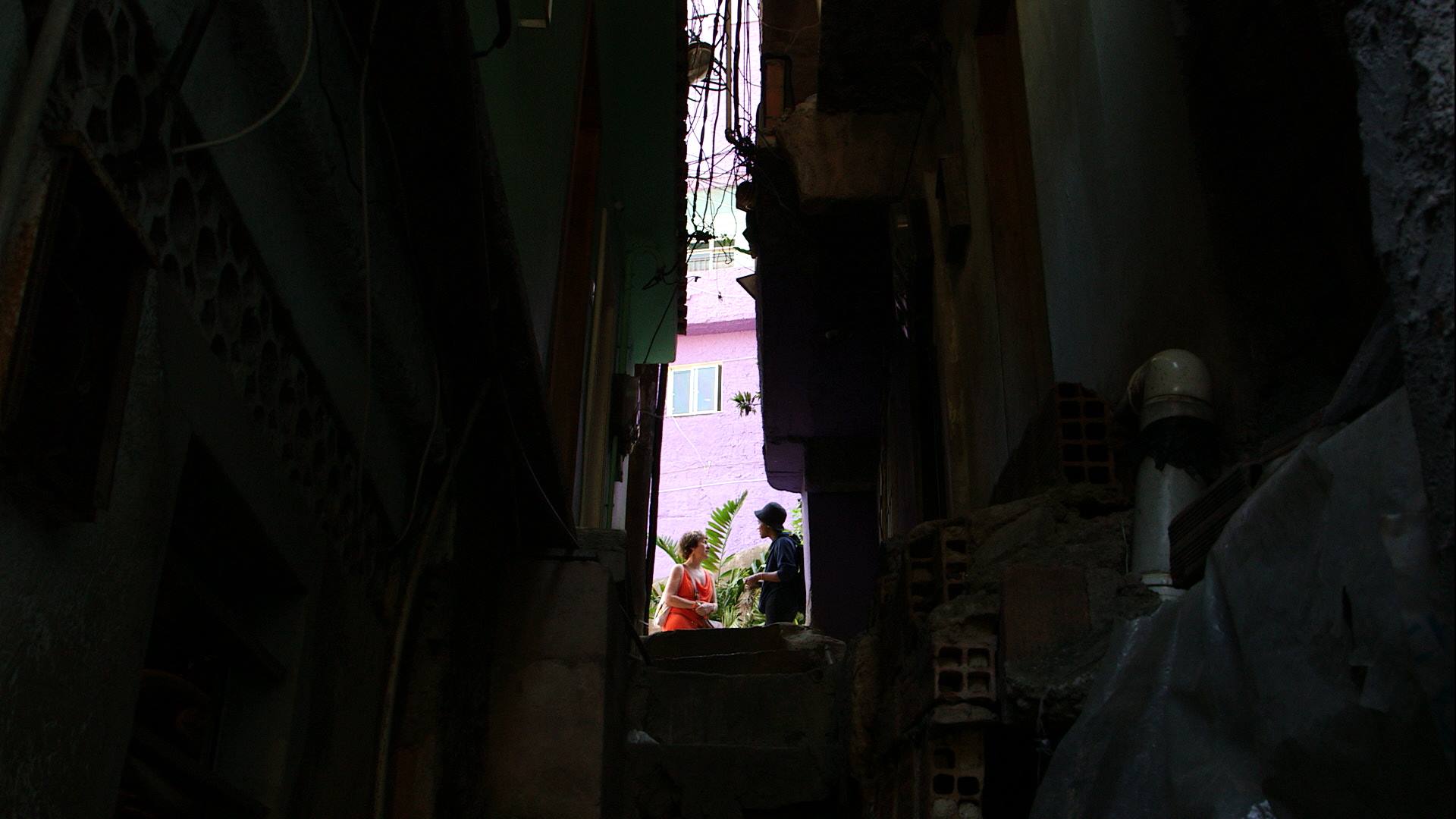
Em breve, saiba mais sobre a parte informal da cidade, quando a RioRealblogTV lançar o segundo vídeo no nosso canal do YouTube, sobre as vielas das favelas. A blogueira que vos escreve passou uma tarde nos becos da favela da Rocinha na semana passada, observando os moradores se espremendo por espaços muito estreitos. A experiência serviu de aprendizado sobre o pouco que nós, moradores da cidade formal, sabemos sobre a vida nas favelas.

.  .  .  .  .

 Aqui você encontra o primeiro e aqui você encontra o segundo de dois artigos, recentes e provocadores, escritos por Simon Jenkins para o jornal The Guardian, sobre os desafios que o Rio enfrentará à medida que os Jogos Olímpicos se aproximam. Ninguém perguntou ao prefeito o que ele achou das conclusões de Jenkins.

 Tradução de Rane Souza


Posted in Brasil, Transformation of Rio de Janeiro / Transformação do Rio de Janeiro | Tagged , , , , , , , , | Leave a comment