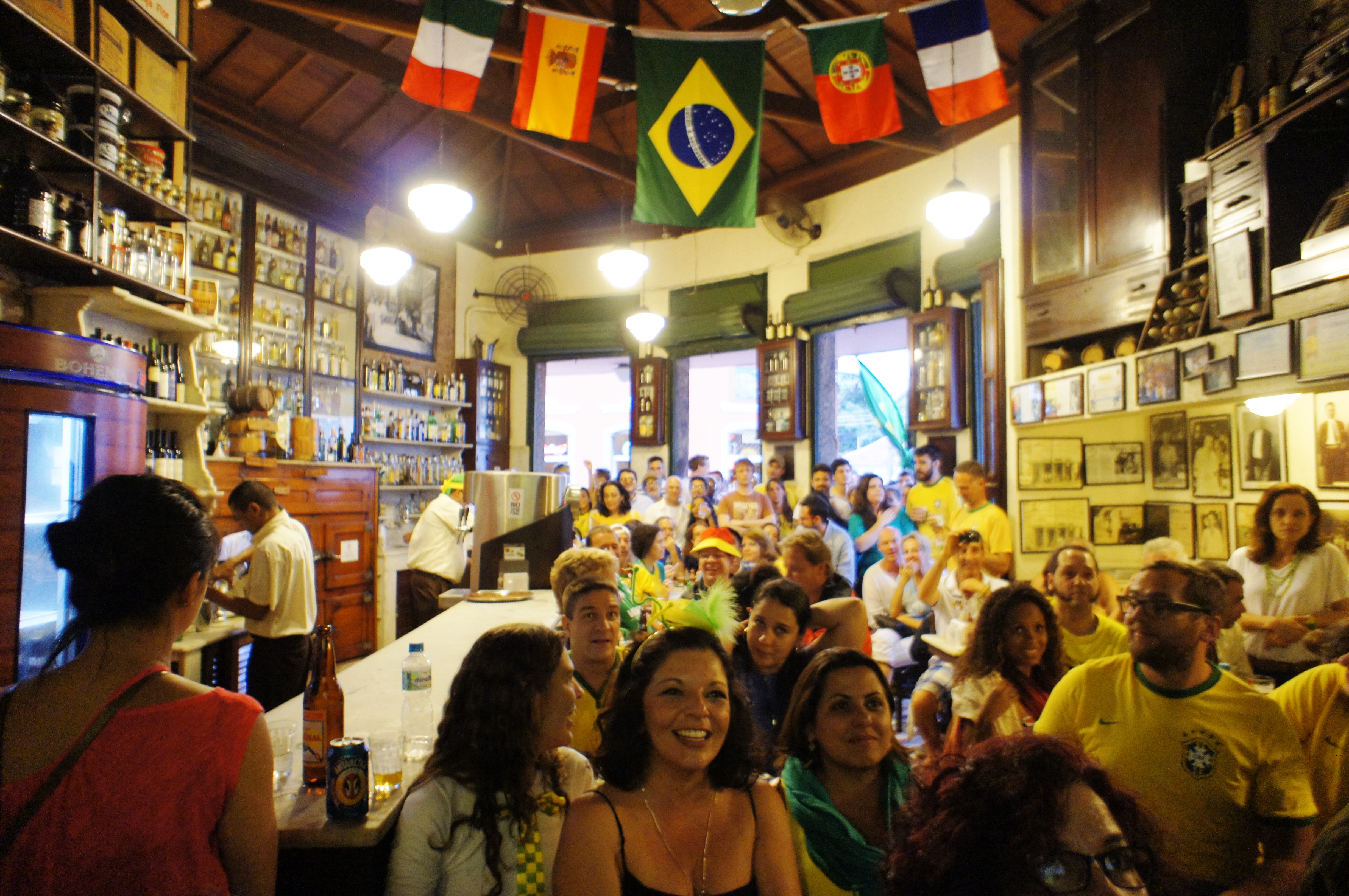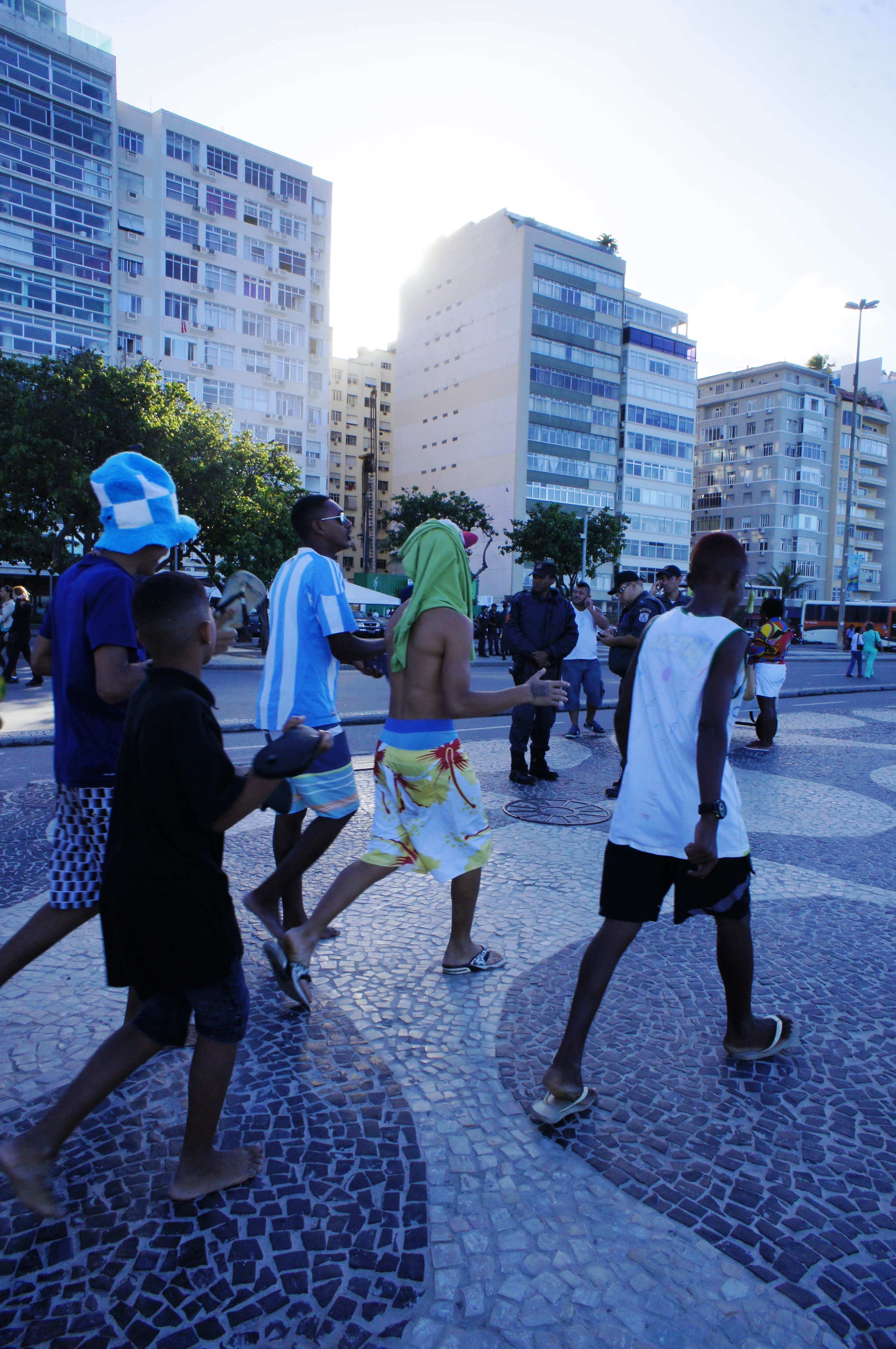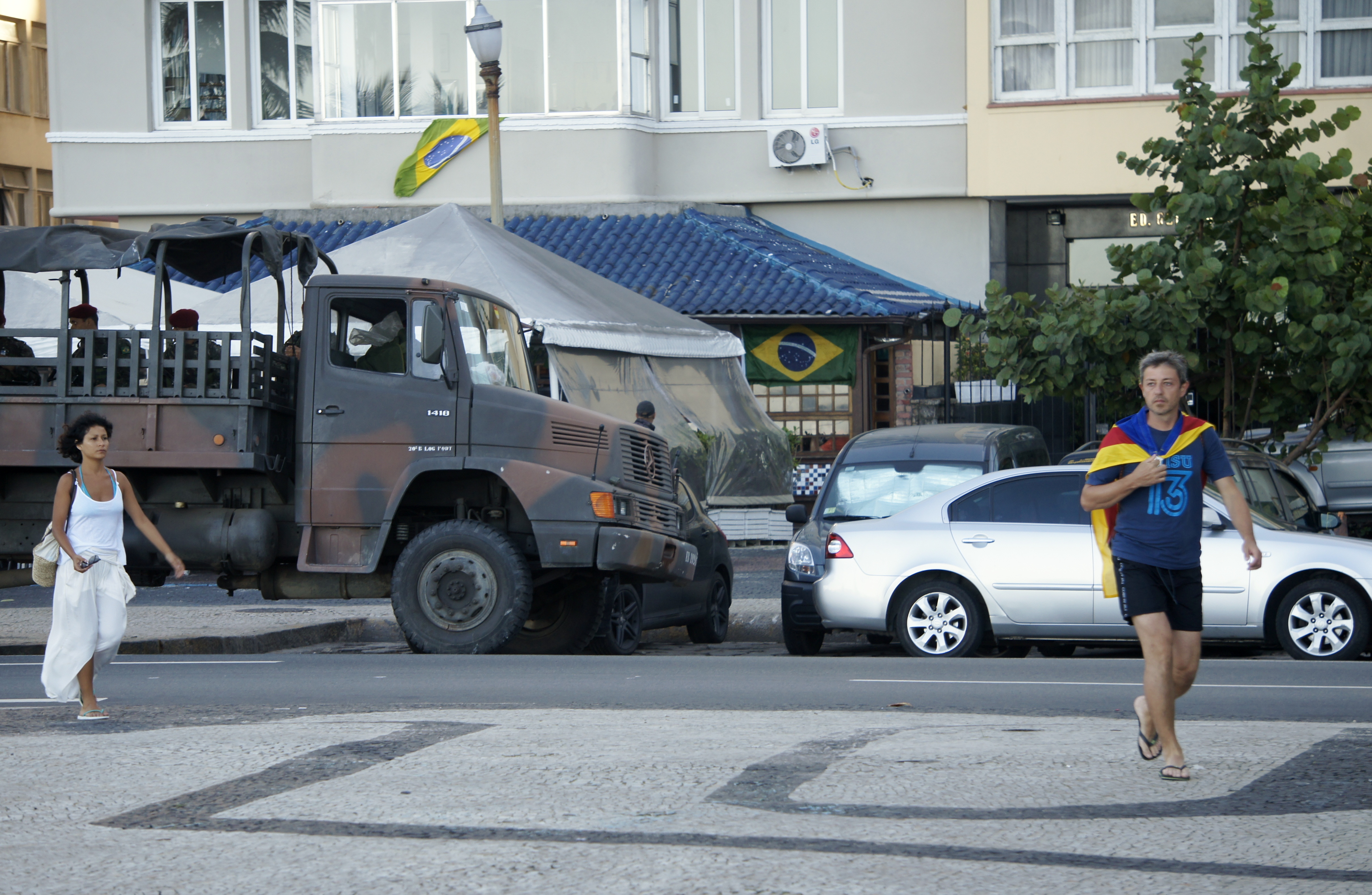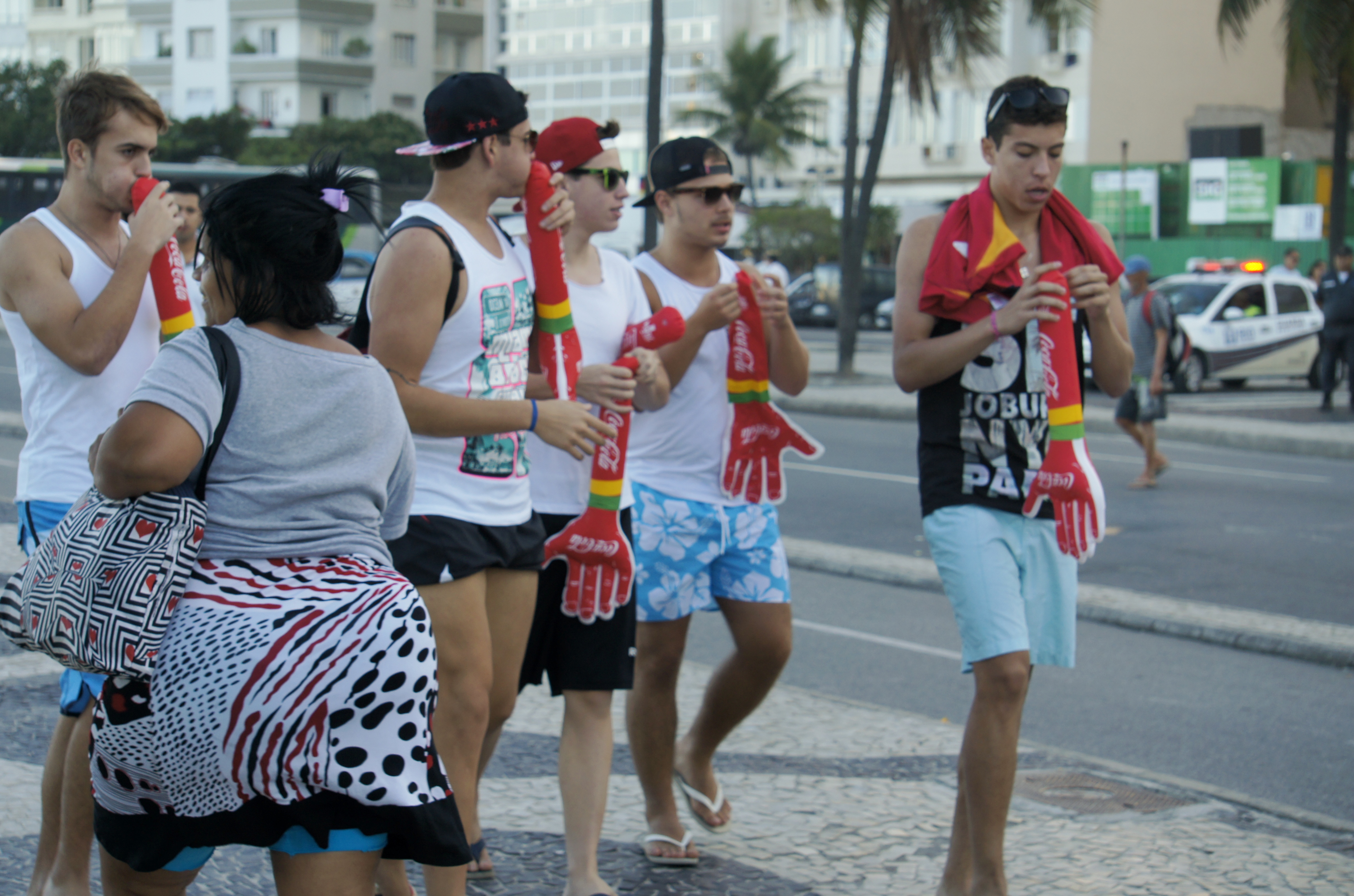
How to report on Rio de Janeiro?

ggg

Vibrancy in downtown São Paulo

Para Como contar o Rio de Janeiro, clique aqui.

It’s no big news that Organizações Globo — Rio de Janeiro’s main information source — has been struggling to staunch losses in TV viewers and readers. Young people don’t read newspapers and don’t watch television. What next?

The ninth Associação Brasileira de Jornalismo Investigativo (Brazilian Association for Investigative Journalism, or Abraji) conference, which took place in São Paulo last week, showcased new journalistic practices and perspectives. As Brazil’s democracy develops and matures, such practices are likely to play a key role in Rio de Janeiro’s transformation.

The blog recently discussed the responsibilty and potential of local media in this context, when Gilberto Scofield left his post as Rio editor at O Globo newspaper. Evidence of corruption in the mayor’s inner circle, revealed last Friday, underscores the importance of investigative journalism regarding public funds. And it’s crucial to stay focused: in 2010, Extra newspaper reported unusual growth in the personal finances of the mayor’s right-hand man, Rodrigo Bethlem — now accused of major bribe and kickback schemes.

Conference workshops and debates introduced highly useful tools for reporters who’d like to contribute to the dvelopment of Brazil’s democracy. For example, Gil Castello Branco, Secretary General of the not-for-profit organization Contas Abertas (Open Accounts), taught reporters how to access and analyze government data. The place to begin any research is the Portal da Transparência (Transparency Portal) Incredibly, a password is still required to get into some government data bases.
1974070_10152346901630787_1604452811268970314_o

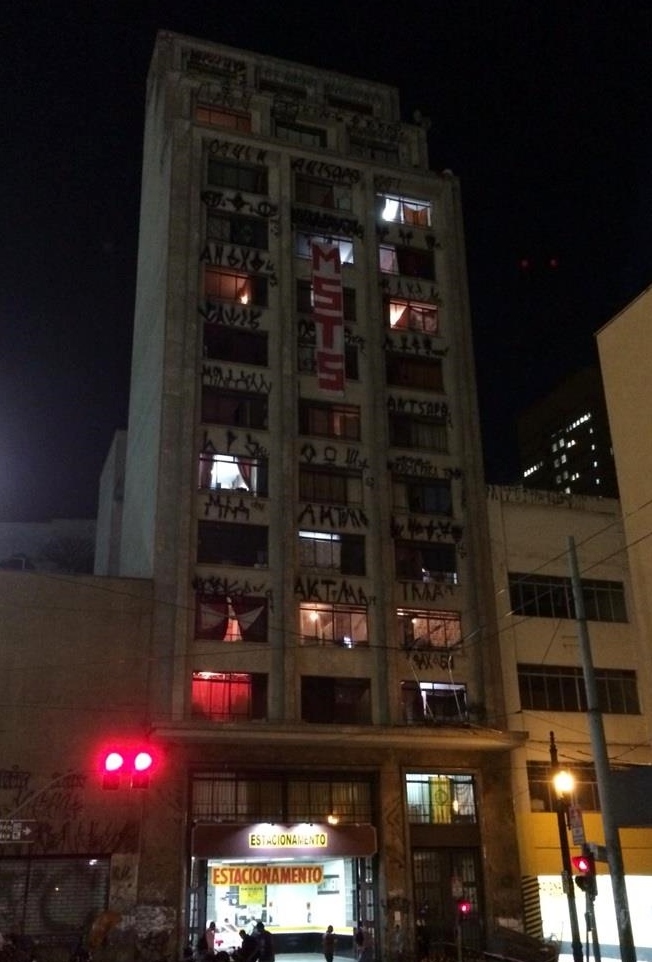
Urban occupation in São Paulo

At a panel on conflict of interest in the Judiciary, the cases presented demonstrated an impressive lack of awareness — attention? concern? — among members of this branch of government. Here too, it is the media’s role to call attention to what’s going on, for example, judges partying at a resort as guests of a company hoping for favorable decisions. Clearly, while weak institutions force Brazilians to depend on personal networks to deal with daily challenges of life, the institutions are themselves weak because Brazilians put so much stock in their personal networks.

Sometimes, the networks — i.e., conflicted relationships — of traditional media limit their capacity to question government officials, to investigate and make accusations. So now, in the Internet age, engaged journalists are turning to alternative media. Presented during one session, Ponte, a new site focusing on public safety in São Paulo state, is an example. The founders, energized by their newfound freedom, recounted several cases of police and human rights abuse where their reporting made a difference.
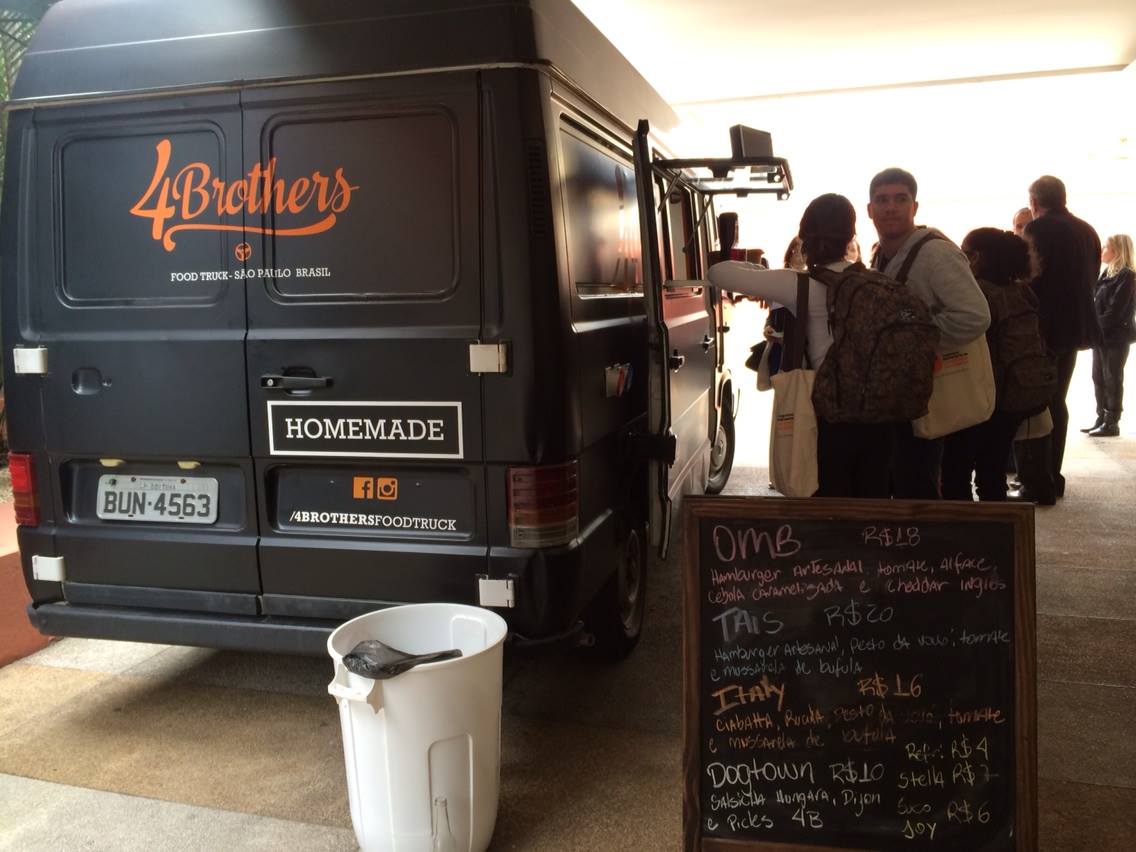
Food truck, ideia norte americana que já chegou em sampa

The American food truck, fruit of new urban flexibility, has made its way to São Paulo

Perhaps the most heartening development at the conference is a partnership between the American site, Vice News, and YouTube. Vice, with a bent towards in-depth print reporting and videos, intends to set up shop in Brazil, in both English and Portuguese. The site is barely known here, up to now.

As conference attendees saw, the news is no more a monolithic entity. No longer do we have a daily menu created by electronic or print media giants, telling us what we need to know.
ggg

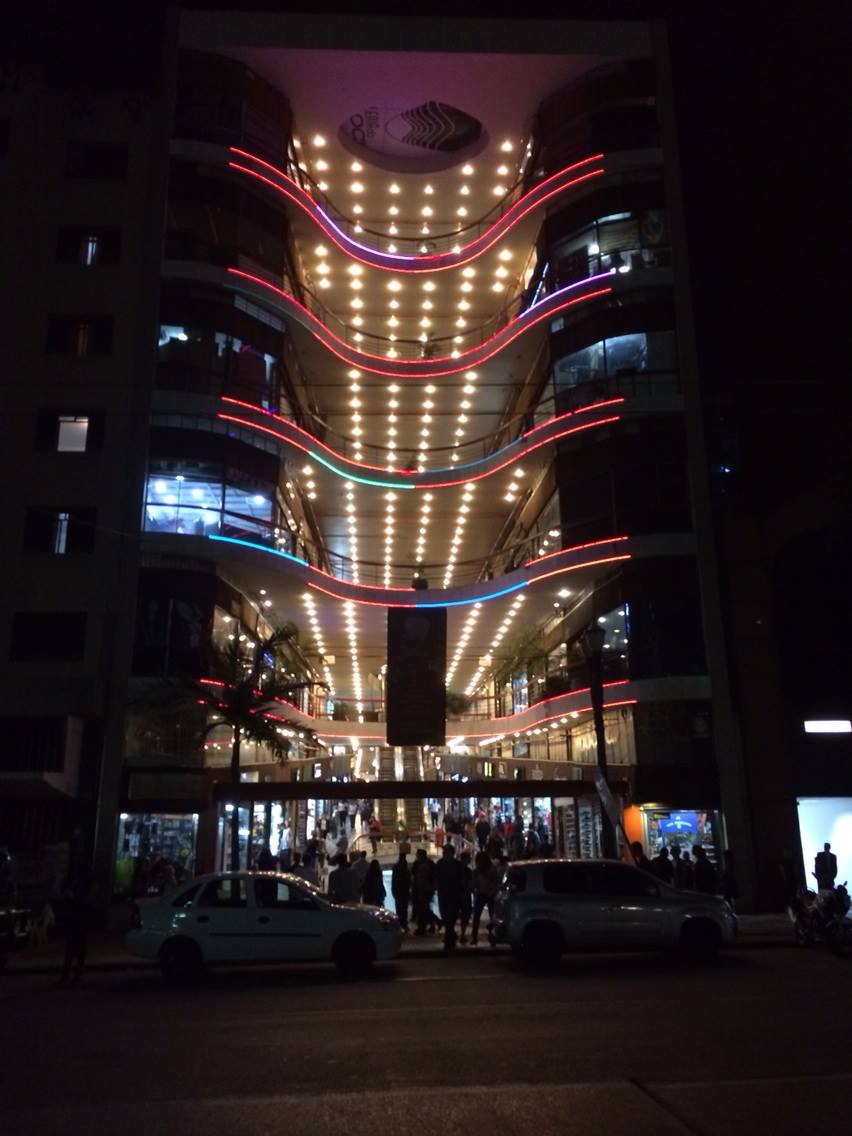
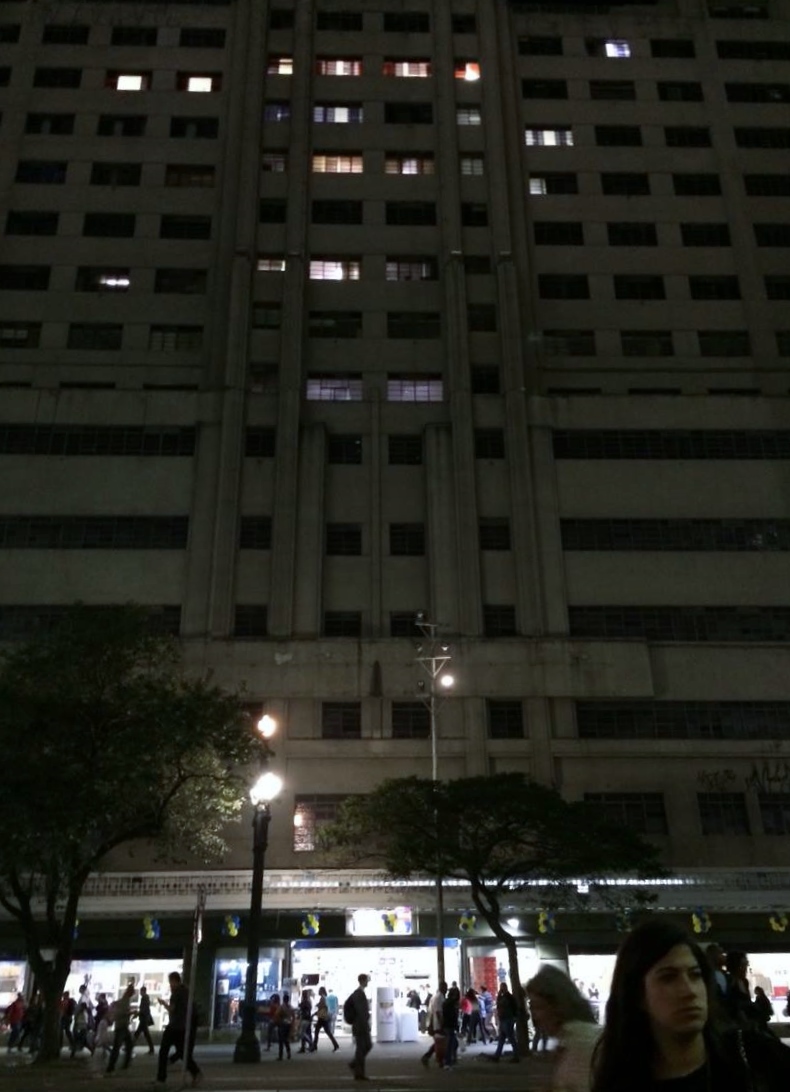
This was the Mappin department store; now it’s another commercial establishment, most likely threatened by e-commerce

Instead, news consumers access a varied information flow, and must choose and prioritize on their own — or depend on recommendations from social media friends and acquaintances. “Today’s youth are savvier,” Jason Mojica, Vice editor-in-chief said reassuringly, in answer to a question from RioRealblog about the prospect of a news curation vacuum. Given the merciless information flow, how can one best discover what’s really going on in Rio de Janeiro?

We’ll never know if today’s youth are in fact savvier than those of previous generations, but the fact is that, given the shrinking importance of mainstream media and the growing attachment to social media, we will all have to learn to think critically. The question is, will journalists fully take on their role? Will they go beyond simple investigation, beyond the raw news, providing their stories with global and historical context?

Journalists themselves must learn to think critically, which means keeping up a constant mental or real dialogue with readers and viewers, not just those who already see the world the way they do. It means asking oneself all the questions the public are likely to ask.

If we are to understand ourselves in the greater world and find ways to contribute to a more just democracy, this work is crucial.

  • The Brazilian chapter of the Institute for Transportation and Development Policy, which participated in the meeting, also gives a journalism award, for reporting on sustainable urban mobility. More information is here.
  • For those interested in contributing to the electoral debate, in the public policy arena, Casa Fluminense will hold the Fórum Rio and launch its 2017 Agenda Rio on August 16 at the Crescer e Viver Circus. Open to all.
 

Posted in Brazil, Transformation of Rio de Janeiro / Transformação do Rio de Janeiro | Tagged , , , | Leave a comment

Como contar o Rio de Janeiro?

ggg

Vida nova no centro de São Paulo

Não é de hoje que as Organizações Globo — fonte principal das informações no Rio de Janeiro — lutam para estancar uma perda contínua de audiência e leitores. Os jovens não lêem jornal e nem assistem televisão. O que fazer?

O nono congresso da Associação Brasileira de Jornalismo Investigativo (Abraji), que aconteceu na semana passada, em São Paulo, serviu de vitrine para novas práticas e visões jornalísticas. No contexto atual de amadurecimento democrática, essas práticas podem desempenhar um papel chave na transformação do Rio de Janeiro.

O blog já falou da responsabilidade e do potencial da mídia nesse contexto, na hora da saída de Gilberto Scofield da chefia da editoria Rio do jornal O Globo. Indicações de corrupção próximo ao gabinete do prefeito, reveladas na sexta-feira passada, demonstram fortemente a importância do papel investigativo da imprensa nas contas públicas. E é necessário manter o foco: em 2010, o jornal Extra já apontava um crescimento extraordinário nos bens do homem-forte do prefeito, Rodrigo Bethlem.

As mesas do congresso trouxeram ferramentas de grande utilidade para o repórter que queira contribuir para uma democracia mais plena. Por exemplo, Gil Castello Branco, secretário geral da organização sem fins lucrativos Contas Abertas, ensinou como acessar e analisar dados governamentais. O site onde tudo começa é o Portal da Transparência. Incrivelmente, ainda existem dados do governo acessíveis apenas por meio de senha.

1974070_10152346901630787_1604452811268970314_o

Ocupação urbana em São Paulo

No painel sobre conflitos de interesse no judiciário, foi marcante, pelos casos descritos, a falta de consciência — ou atenção? ou preocupação? — entre os membros deste braço de governo. Aqui também, cabe à imprensa chamar, constantemente, a atenção da sociedade. Ficou claro que, enquanto o brasileiro depende de redes pessoais para enfrentar os desafios do dia a dia porque as instituições são fracas, as instituições são fracas porque o brasileiro prestigia demais essas mesmas redes pessoais.

Às vezes, as redes — ou seja, os comprometimentos — da mídia tradicional limitam a capacidade de questionar autoridades, investigar e fazer denúncias. Portanto, na era da Internet, os jornalistas começam a apostar em mídias alternativas. Ponte, novo portal focado na segurança pública do estado de São Paulo, apresentado em um dos painéis, é um exemplo disso. Os fundadores, animados com a maior liberdade para trabalhar, contaram vários casos de abuso policial e de direitos humanos, cujos desfechos conseguiram influenciar.

Food truck, ideia norte americana que já chegou em sampa

Food truck, ideia norte americana, fruto de uma nova flexibilidade urbana que já chegou em sampa

Talvez a notícia mais animadora do congresso tenha sido a parceria entre o site de notícias norte americano, Vice News, e a YouTube. A Vice, que costuma oferecer reportagens e vídeos mais profundos e detalhados do que o noticiário tradicional, pretende trabalhar no Brasil, em inglês e português. Por enquanto, é pouco conhecida aqui.

Pelo que se viu no congresso, não mais teremos um noticiário monolítico, um cardápio diário criado por uma grande mídia eletrônica ou impressa, que nos apresenta o que deveríamos saber.

ggg

Era o Mappin, agora é outro estabelecimento comercial, seguramente ameaçado pelo comércio eletrônico

Em vez disso, o consumidor de notícias irá acessar uma variedade de informações em fluxo, tendo que escolher e priorizar por si mesmo — ou depender de indicações de amigos ou conhecidos nas mídias sociais. “O jovem de hoje é mais esperto,” Jason Mojica, editor-chefe do Vice assegurou, em reposta a uma pergunta do RioRealblog sobre a possibilidade de sofrermos de um vácuo de curadoria do noticiário. Como, por exemplo, se manter informado sobre o que realmente acontece no Rio de Janeiro?

Não é possível determinar se os jovens hoje são mesmo mais espertos do que os de gerações anteriores, mas o fato é que, face à importância reduzida das mídias tradicionais e ao apego crescente às mídias sociais, temos todos que aprender a pensar com senso crítico. Resta saber se os jornalistas desempenham plenamente o papel deles: ou seja, não apenas investigar, mas ir além das notícias cruas — para contextualizá-las dentro da atualidade global e do quadro histórico.

Também, o próprio jornalista precisa aprender a pensar: dialogar com todo tipo de leitor ou espectador, não apenas com aqueles que já enxergam o mundo do mesmo jeito que ele. Para tanto, é essencial posar para si mesmo as perguntas que os membros de sua audiência fariam.

Somente assim, o indivíduo se entende no mundo e contribui para uma democracia mais justa.

  • Anunciou-se, durante o congresso, um novo prêmio para a cobertura jornalística sobre políticas públicas e legislação relacionadas ao tema das drogas, o Prêmio Gilberto Velho de Mídia e Drogas. Saiba como se inscrever aqui.
  • Também, o Instituto de Políticas de Transporte e Desenvolvimento (ITDP Brasil), que participou do congresso, promove este ano o 2º Prêmio de Jornalismo Mobilidade Urbana Sustentável. Saiba mais aqui.
  • Para quem quer contribuir ao debate eleitoral, pensando políticas públicas, a Casa Fluminense realiza o Fórum Rio e o lançamento da Agenda Rio 2017 no dia 16 de agosto no Circo Crescer e Viver. Aberto a todos.


Posted in Brasil, Transformation of Rio de Janeiro / Transformação do Rio de Janeiro | Tagged , , , | 4 Comments

Misconduct in the mayor’s office?

Beware a woman scorned

While scandal has tainted the reputation of former Rio de Janeiro governor Sérgio Cabral since his alleged connections with a top construction company came to light in 2012, mayor Eduardo Paes has managed to keep his name fairly clean — until this past Friday. Even so, he may well manage to steer clear of accusations.

Friday, Veja and Época magazines came forth with audio and video evidence of kickbacks received by a top official in the Paes administration, national congressman Rodrigo Bethlem.  Candidate for reelection in the upcoming October elections, most recently Paes right-hand government coordinator (Secretário de Governo), Bethlem entered politics in his twenties, has citywide experience  and made his mark helping the mayor to bring order to the city and forcibly remove young crack users from the streets.

Monday, a new tape appeared in the press, with Bethlem describing what appears to be an illegal relationship with the owner of Rio’s largest bus company.

His reelection motto is “Doing the right thing”, but the evidence his ex-wife handed over to the publications has him making outright claims that he was up naughtiness to the tune of 85,000 reais a month. “You know I went to Switzerland to open an account,” he tells her, unaware she was taping the 2011 conversation, held as they sorted out their divorce settlement. The video shows her allegedly receiving a packet of cash in 2012 from his chauffeur, complaining of resultant income tax issues.

According to a 2010 article in the Extra newspaper, part of the Globo empire, Bethlem’s personal estate had previously quadrupled over four years, to R$1.2 million. O Globo  newspaper reports that third-party contracts grew enormously while he was in charge of them, then shrank once he left government to run the mayor’s reelection campaign in 2012.

The genealogy here is a striking example of the web of local politics. Bethlem, son of a well-known telenovela actress and a TV Globo director, was until Friday thought to be a natural successor to Paes, whose second term ends in 2016. Vanessa Felippe, Bethlem’s ex-wife, is the daughter of Jorge Felippe, president of the City Council and a key member of Bethlem and Paes’ PMDB party. Felippe’s political support comes from the Bangu district of Rio’s West Zone, an area rife with politically active “militia” groups.

And Vanessa, herself a former national congresswoman, is the mother of Bethlem’s two children, one of whom is a candidate, at age 22, for a spot in the state legislature this year.

Yesterday, Paes ordered an audit of the third-party contracts that Bethlem was responsible for during his time working for the city. Funds in any Swiss bank account would be recovered, he said.

The main contract in question involves a firm hired to care for crack users and screen for low-income families qualified to receive government cash transfers, run by a retired military police major with a questionable record.

Blaming his wife’s poor psychiatric condition — she reportedly tried committing suicide several times, the last being only a few days ago — Bethlem, who has remarried, denied any wrongdoing. Yesterday, Vanessa released a signed statement, now displayed on Bethlem’s Facebook page, saying she “manipulated the tapes”. Nonetheless, an expert hired by Época magazine said they were legitimate and pristine.

Posted in Brazil, Transformation of Rio de Janeiro / Transformação do Rio de Janeiro | Tagged , , , | 2 Comments

Enquanto você assistia à Copa, parte III (final)

Aconteceu muita coisa no Rio, durante o mês da Copa

SONY DSC

For While you were watching the World Cup, part II (final), click here

Durante séculos, o Brasil foi um país relativamente fechado, de olho em si mesmo, cujos cidadãos, na maioria unilíngues, viajavam raramente e consumiam poucos bens importados.

Há mais ou menos uma década, o quadro começou a mudar. A experiência de sediar a Copa déu ímpeto novo ao processo de abertura. Mesmo para quem não se misturou com os quase 900 mil turistas (sendo metade estrangeiros– e o total, praticamente o mesmo número que costuma vir para o Carnaval) no Maracanã, na Zona Sul ou nas favelas que hospedaram os visitantes, a Copa trouxe aos brasileiros mais informação sobre o mundo, pela mídia eletrônica e a impressa. Talvez o legado mais importante do evento seja esse.

SONY DSC

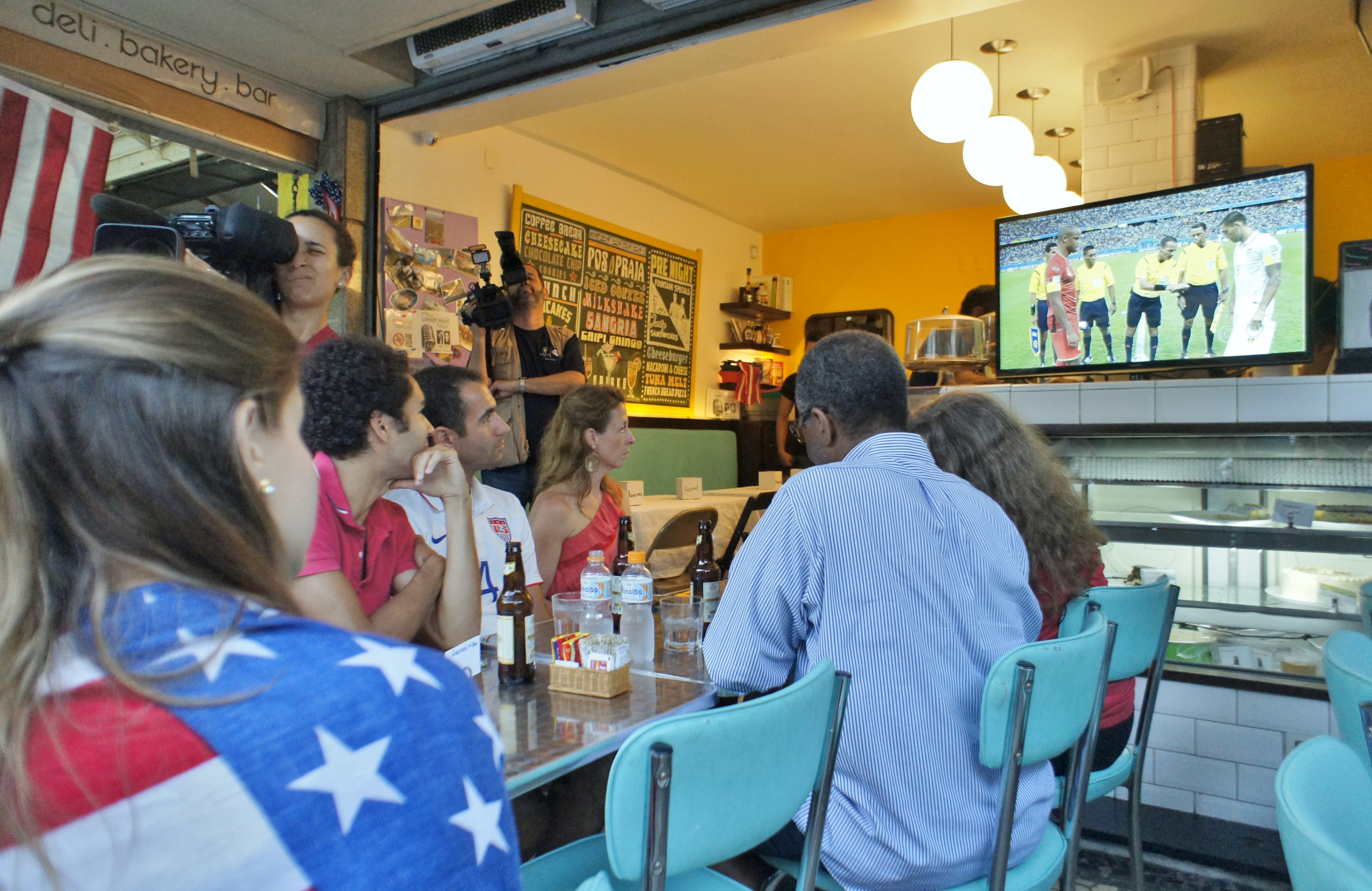
Torcedores pelo Team USA no Gringo Café atraíram jornalistas brasileiros e americanos, à procura de gritos e lágrimas

Ninguém imaginava

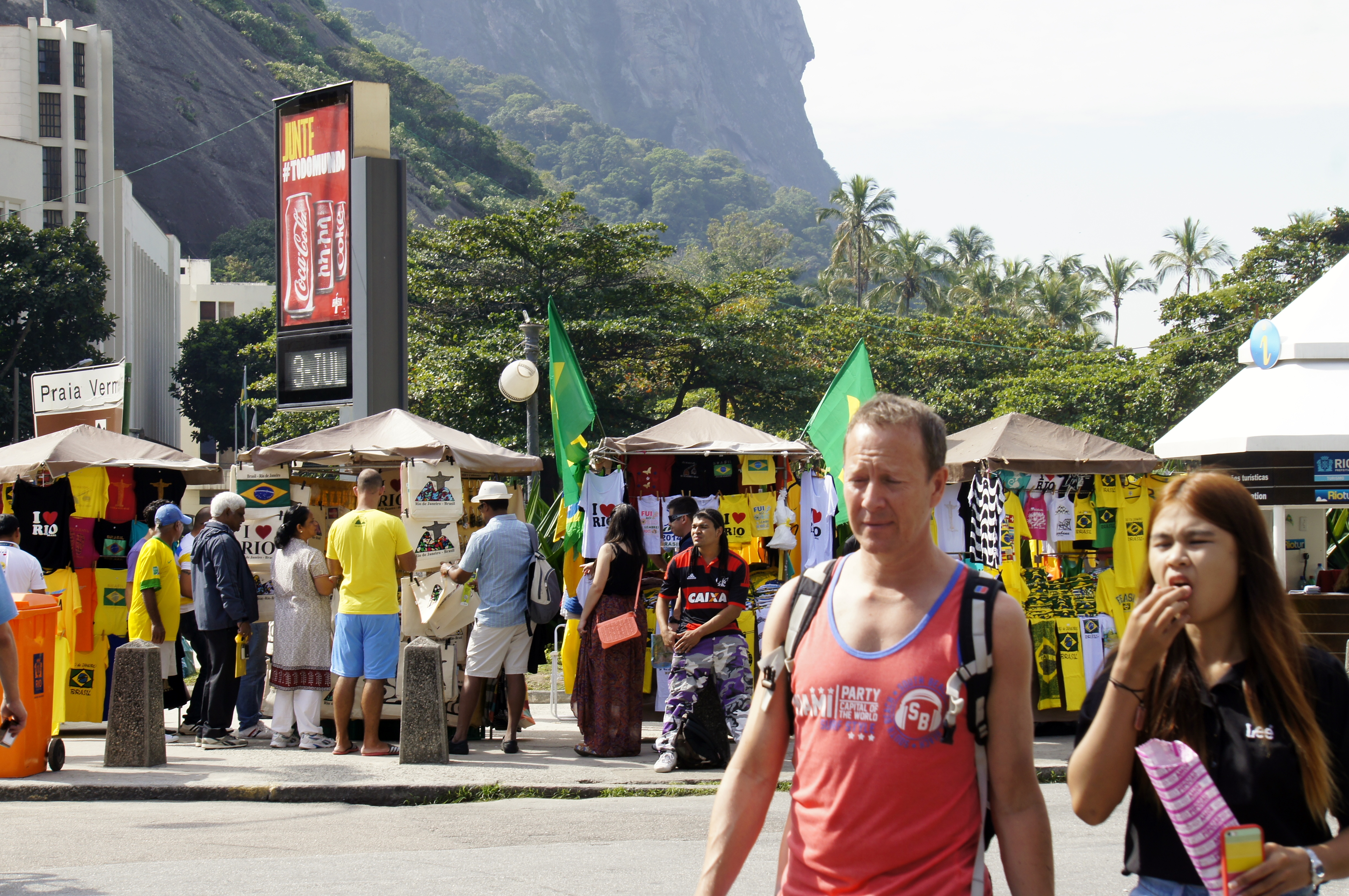
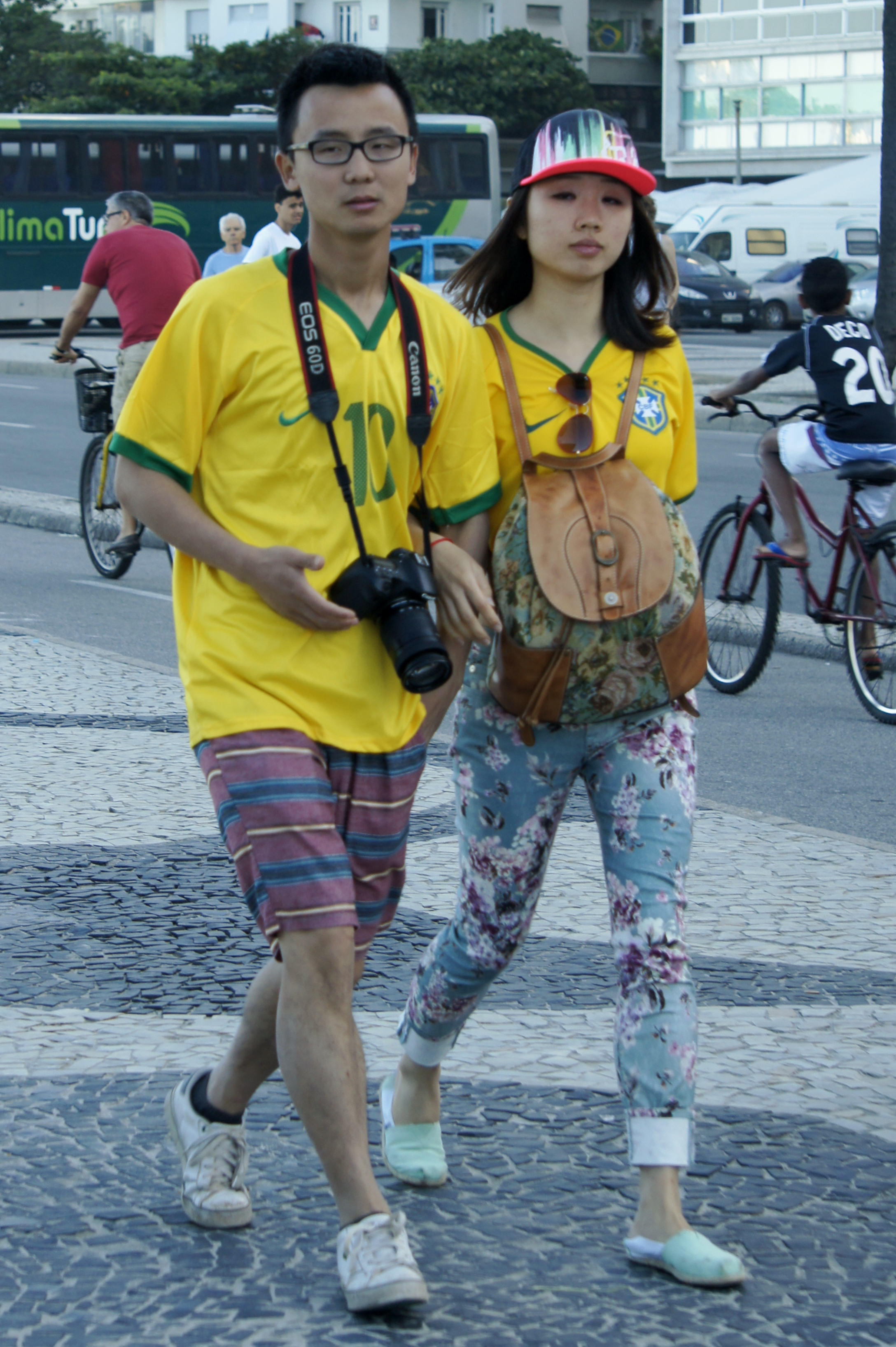
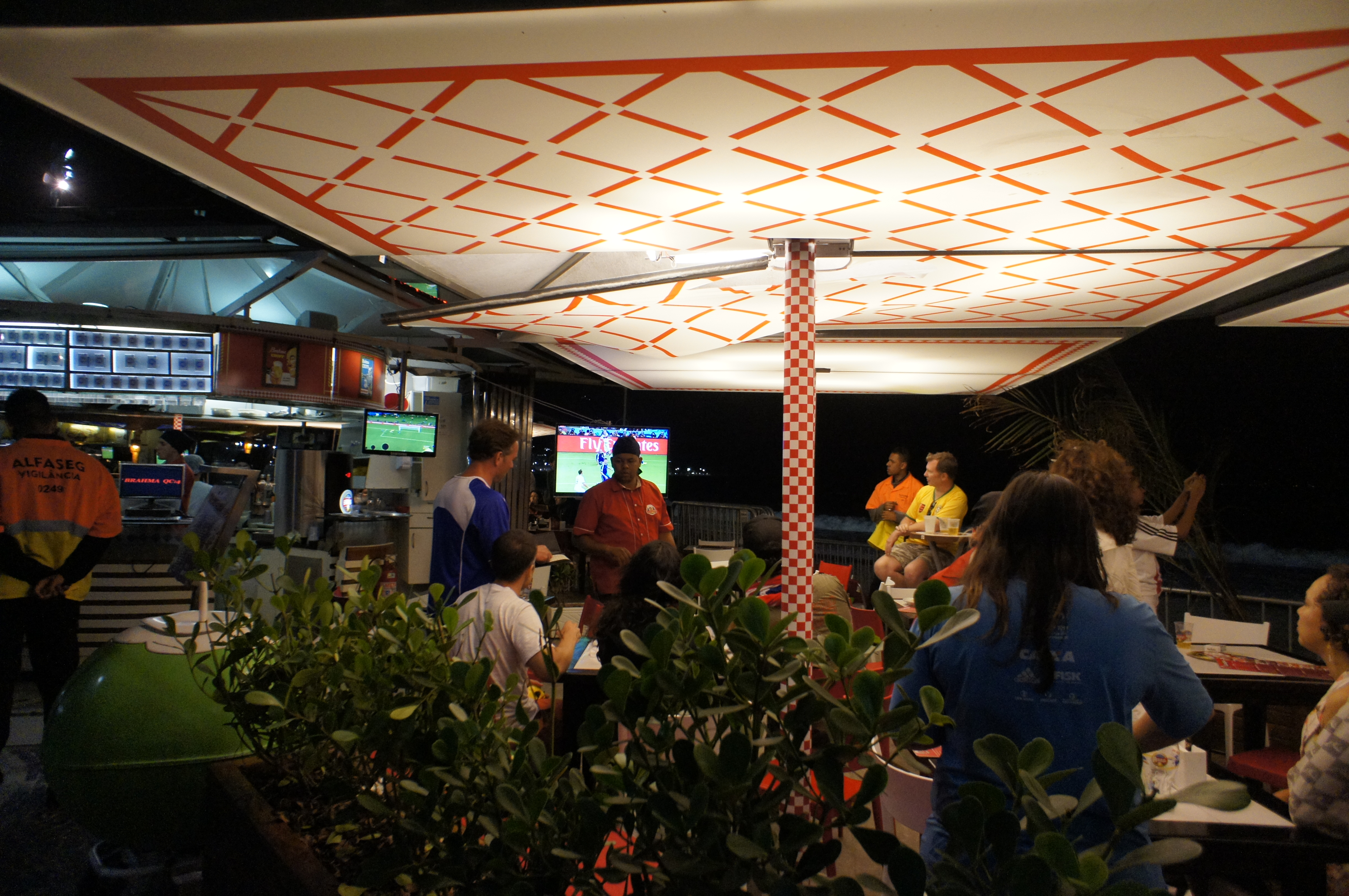
No calçadão de Copacabana, um senhor de Bangladesh fitava o mar. Quando perguntado para qual país ele torcia, puxou o canto da camisa amarela da seleção brasileira que usava. “Fabricamos elas no meu país,” falou, sorrindo.

SONY DSC

No Pão de Açúcar, tudo andava muito bem, como foi o caso, para a surpresa de todos, praticamente na cidade inteira

Se você ficava procurando por gols

Como já se viu em posts anteriores, jovens bailarinos do passinho se apresentaram durante o mês da Copa no show Na Batalha. Estão em Nova York nesta semana, junto com a apresentação do fabuloso documentário sobre o passinho, de Emílio Domingues. O jornal Globo demitiu o editor da seção Rio, Gilberto Scofield, oferecendo uma oportunidade para  algumas reflexoes sobre a cobertura local. E houve uma apressada (e possivelmente, ilegal) audiência pública, um dia após a final, sobre um projeto de melhorias urbanas no valor de R$ 1,6 bilhões, denominado PAC II, para a favela da Rocinha.

SONY DSC

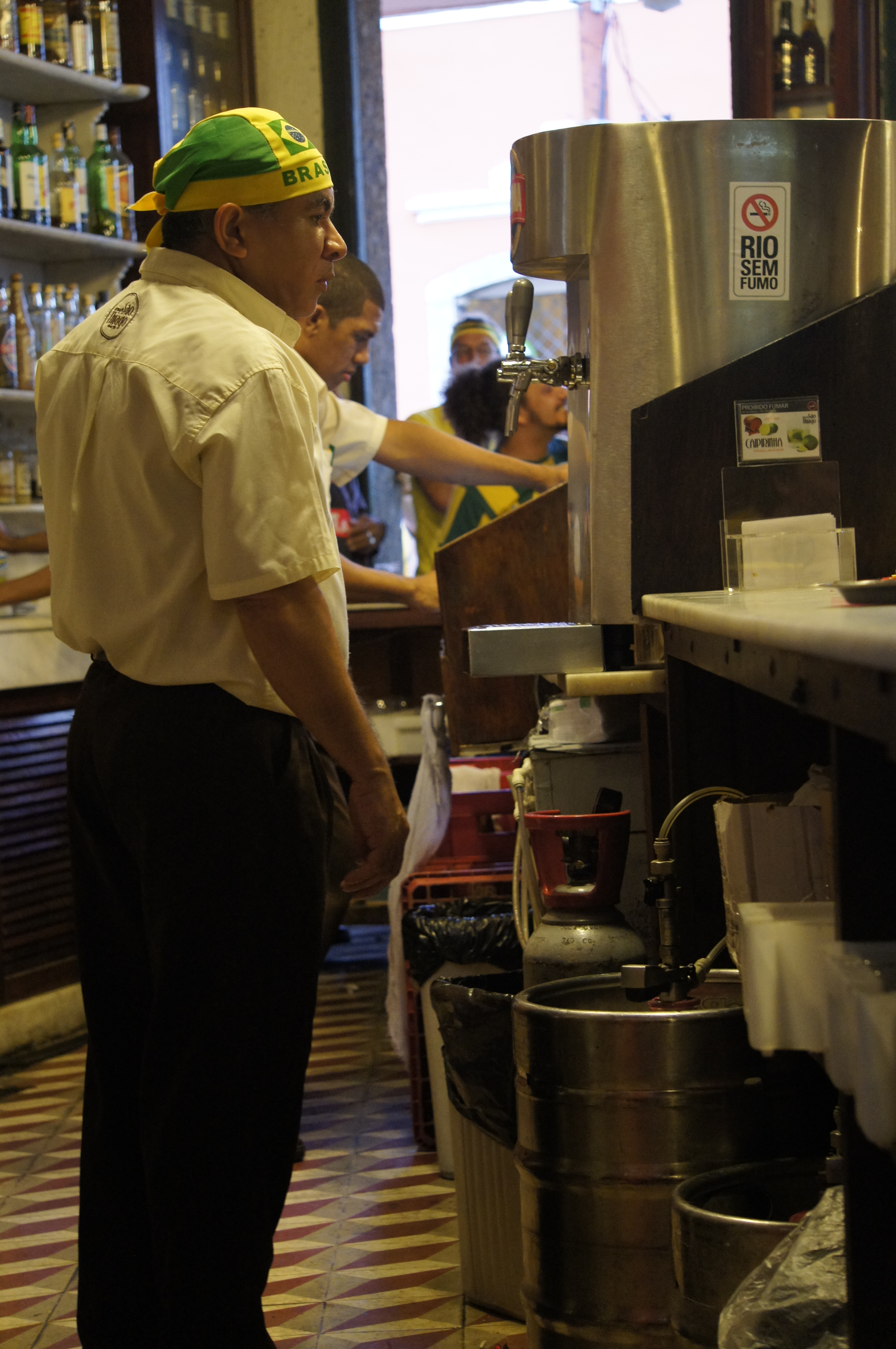
Hesitação inicial e depois curtição da Copa, para a maioria dos brasileiros

O que mais aconteceu durante a Copa?

Enquanto a prostituição bombou na Zona Sul, houve pouco negócio de sexo no resto da cidade. Ao contrário da Jornada do ano passado, com a visita do Papa, quando os peregrinos percorreram a cidade toda, o turismo da Copa do Mundo focou na Zona Sul, paraíso para quem chegasse com fundos parcos — com o telão da FanFest em Copacabana, uma abundância de lanches e bebidas baratas, e a praia de banheiro. O prefeito Eduardo Paes tomou um susto com a chegada de centenas de argentinos, de carro e motor home, acampando no Leme. Foram transferidos para o Sambódromo.

SONY DSC

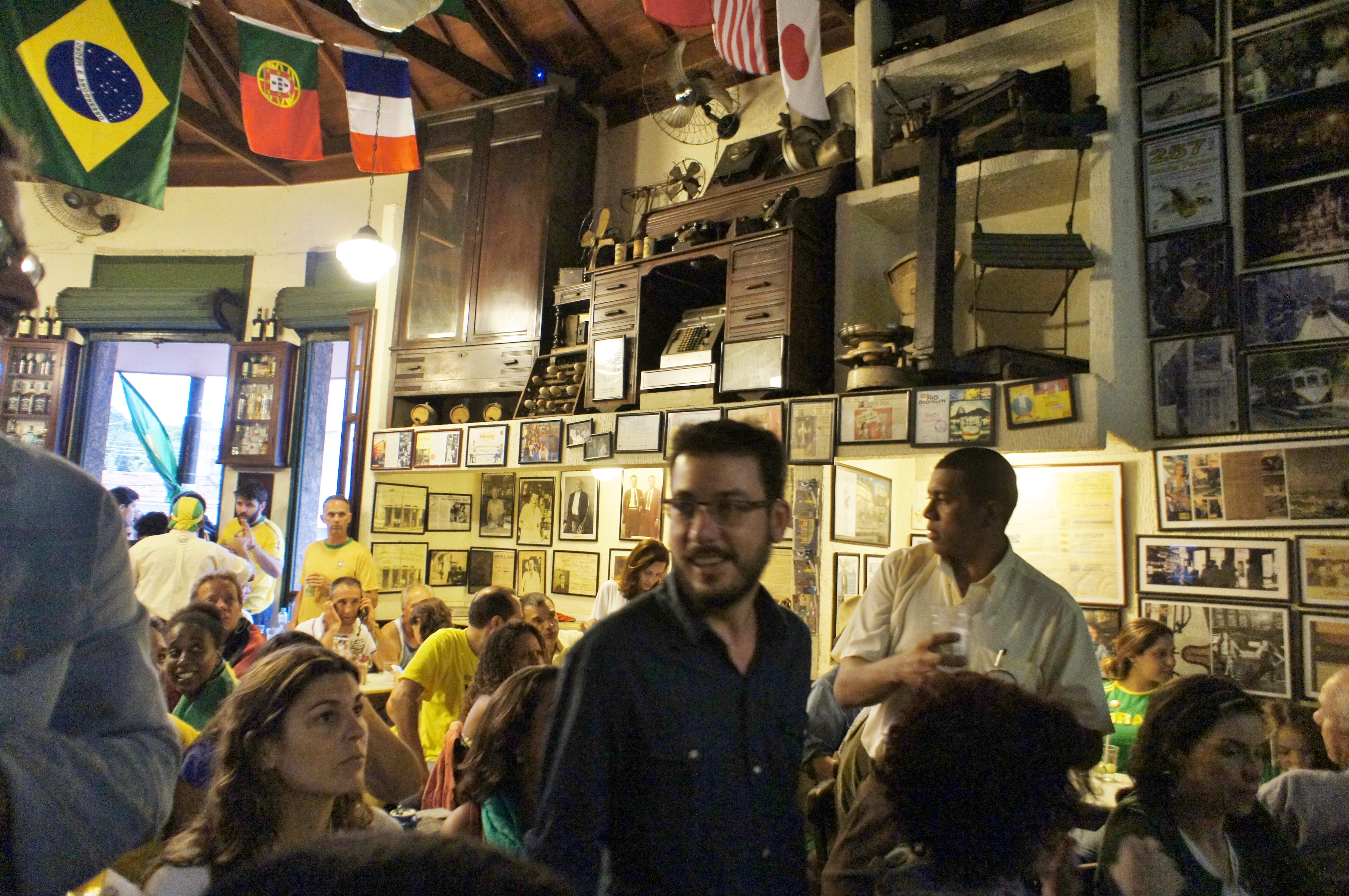
Inocência antes da perda fatídica, num bar de Santa Teresa

Com exceção do Sambódromo, o Maracanã e o telão tradicional do Alzirão, poucos locais das zonas norte ou oeste atraíram turistas. Um número considerável se hospedou em favelas como a Rocinha e o Vidigal.

SONY DSC

Antes do intervalo, quando o Bar do Gomes se esvaziou, com o placar 5-0, Alemanha

Os moradores do Complexo do Alemão e da Rocinha viram mais tiros do que turistas, em alguns dias. Uma versão do que aconteceu na Rocinha é que traficantes, que normalmente ficam no topo de um morro, teriam descido para assistir a jogos da Copa, junto com outros moradores – – para a surpresa da polícia pacificadora. Domingo passado, o jornal Extra reportou que a polícia pacificadora deixará de fazer patrulhas noturnas — decisão que talvez tenha motivação eleitoreira, para diminuir a violência nas favelas pacificadas até a eleição para governo do estado, em outubro.

SONY DSC

Os protestos e a reação da polícia (que, junto com o Exército e a Marinha, ocuparam a Zona Sul) seguiram um roteiro. Semanas antes, quando jornalistas assistiram a uma sessão de treinamento, foi fácil prever o desencadear dos eventos. Preventivamente, a polícia prendeu pessoas suspeitas de organizar violência e/ou protestos para o dia da final da Copa, e daí reprimiram com firmeza (e violência) a manifestantes na praça Saens Peña, na Tijuca. Ativistas de direitos humanos fazem uma campanha contra o que chamam de um estado de excepção inconstitucional, durante a Copa.

SONY DSC

Estão preocupados com a possibilidade de que a polícia volte a utilizar tais táticas em ocasiões futuras. As prisões, as acusações e a violência policial com certeza irão inibir manifestações de rua. É de se esperar que seja permitido organizar manifestações pacíficas — e também que os dissidentes brasileiro invistam no preparo de novas lideranças e na formação do eleitorado, entre outros requisitos para uma democracia saudável.

SONY DSC

Mais cedo, , inaugurou-se, com pouco alarde, o teleférico do morro da Providência, já pronto meses antes. Por causa de questões legais e de críticas por parte de moradores e ativistas, a inauguração havia sido adiada.

SONY DSC

Os partidos políticos tiveram suas convenções e escolheram seus candidatos definitivos para governador, que surgiram com alianças bastante estranhas, demonstrando a fraqueza de uma democracia baseada mais em personalidade e relações pessoais, do que em ideias e plataformas. No momento, o ex governador Anthony Garotinho e o ex senador Marcelo Crivella lideram as pesquisas de opinião, num empate de 24%. O atual governador, Luiz Fernando de Souza, o Pezão, está com 14%, seguido por Lindbergh Farias, com 12% das intenções de voto. Notavelmente, os votos em branco e anulados totalizam 23% do voto, agora.

O chute desta blogueira é que o voto a favor do Pezão irá crescer nos próximos meses, ao passo que ele vai se beneficiando da máquina política de seu partido e da exposição durante a campanha na televisão e no rádio.

SONY DSC

Camuflagem bem aparente

No começo do período da Copa, Pezão decretou aumentos de salário para funcionários públicos somando até R$ 1 bilhão por ano. Ele tem muito a ganhar da máquina política que herdou do ex governador Sérgio Cabral, que saiu do cargo em abril para deixar seu vice numa posição eleitoral mais confortável.

A campanha deve focar na pacificação, o coração do governo Cabral. De todos os candidatos, apenas Garotinho não pretende dar continuidade no projeto.

SONY DSC

Observando

SONY DSC

Alguém chamou?

Outra notícia que se perdeu no meio dos jogos de futebol foi de que a assembleia legislativa do estado, que funciona num prédio bastante feio, perto da praça Quinze e do Paço Imperial, irá se mudar para uma sede nova, perto da prefeitura e o Centro de Operações, na Cidade Nova. O prédio antigo será demolido e o Palácio Tiradentes, do lado (originalmente a sede do Congresso), será restaurado, criando um novo espaço beirando a baía, que não mais será divido pela Perimetral, recém removida.

SONY DSC

Muitos pais e filhos

Durante a Copa, O Globo também divulgou que, de 64 representantes estaduais, quinze deles mais do que dobraram seus patrimônios nos últimos quatro anos.

SONY DSCE agora será a vez dos Jogos Olímpicos, um evento para o qual muitos turistas da Copa pretendem voltar. Não deve ser surpresa, tampouco, ver um certo retorno para o Reveillon. Hora de fazer um estoque de limões

Posted in Brasil, Transformation of Rio de Janeiro / Transformação do Rio de Janeiro | Tagged , , , , , , | 1 Comment

While you were watching the World Cup, part III (final)

Much else was going on over the last month in Rio

SONY DSC Brazil has long been a relatively closed, inward-looking country, with not much travel nor the consumption of imported consumer goods — nor widespread knowledge of foreign languages. This began to change about a decade ago. Hosting the Cup added impetus. Even for those who didn’t mix with the 900,000-odd tourists (half being foreign– and this is about the same number who come for Carnival) in Maracanã, the South Zone or in favelas that did hosting, the Cup brought Brazilians more information about the rest of the world, via electronic and print media. This may be the event’s best legacy.

SONY DSC

Fans at the Gringo Café rooting for USA attracted Brazilian and American media, looking for screams and tears

Who knew?

A man from Bangladesh stood on the Copacabana beachfront sidewalk, looking out to sea. Asked which team he was rooting for, he plucked at his yellow Brazilian national team shirt. “We make these in my country,” he said, smiling.

SONY DSC

At Sugarloaf Mountain, things ran smoothly, as was the case, surprisingly, just about everywhere

In case you were busy looking for goals

As posted earlier, young passinho dancers performed all World Cup month in  their Na Batalha show. They’ll be in New York this coming week, together with a screening of Emílio Domingo’s fabulous passinho dance documentary. O Globo newspaper fired its Rio editor, Gilberto Scofield, providing the perfect opportunity for some reflection on its local coverage. And a hurried (and possibly illegal) public hearing was held, the day after the final game, on a US $715 million equivalent federally funded upgrade program, PAC II, for Rocinha favela.

SONY DSC

After initial hesitation, most Brazilians threw themselves into the World Cup

What else went on behind the scenes?

While prostitutes did a booming business in the South Zone, business elsewhere languished. In contrast to the citywide experience during last year’s Catholic youth event, with Pope Francis’ visit, World Cup tourism focused on the South Zone, a low-budgeter’s paradise — with the enormous FanFest screen in Copacabana, lots of cheap drinks and snacks, and the ocean for a bathroom. Rio’s mayor Eduardo Paes was taken aback by the arrival of hundreds of Argentines in cars and motor homes, camping out in Leme. They were moved to the Sambódromo.

SONY DSC

Innocence before the defeat, in a Santa Teresa bar

Aside from the Sambódromo, Maracanã and the traditional big screen in the Alzirão neighborhood, few tourists ventured into the West or North Zones. A considerable number found lodging in South Zone favelas such as Rocinha and Vidigal.

SONY DSC

Before Bar do Gomes emptied out at half time, at 5-0 Germany

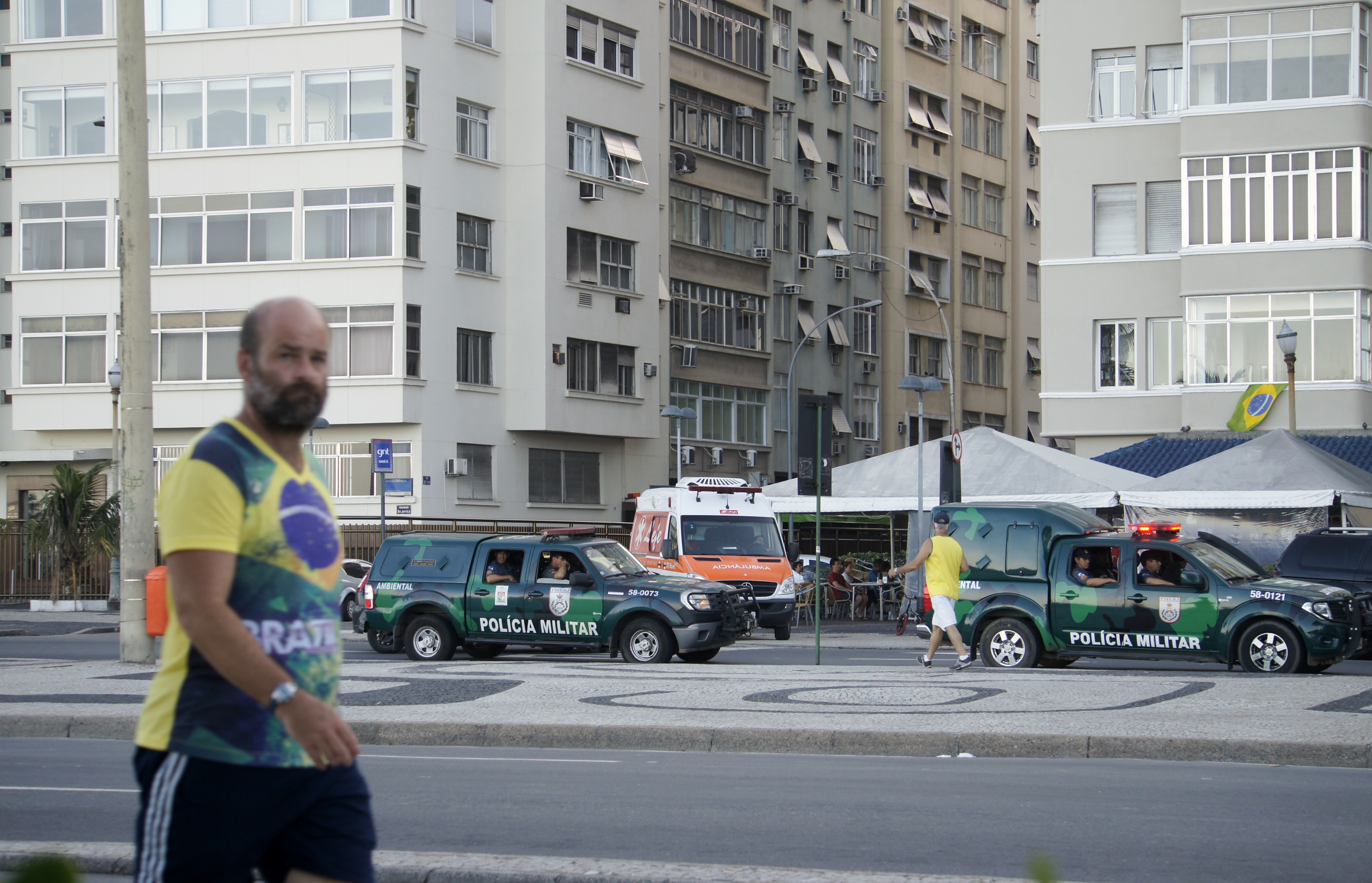
Cariocas living in Complexo do Alemão and Rocinha saw more shooting than they did tourists. One version of what went on in Rocinha is that drug traffickers, normally holed up at the top of a hill, moved down to watch Cup games along with other residents – – something pacification police weren’t counting on. The Extra newspaper reported yesterday that pacification police will no longer carry out night patrols — a decision that may have electoral aims, in a bid to bring down violence in pacified favelas until the October gubernatorial election.

SONY DSC

Protests and the reaction of police (who, along with the Brazilian army and navy, locked down the South Zone) followed a script. It was easy to see how things would go, weeks earlier, when journalists were invited to a training session. Preventively, police arrested those they suspected of organizing violence and/or protests for the day of the Cup final, and then they cracked down on protesters in Tijuca’s Saens Peña square. Human rights activists are campaigning against what they say was an unconstitutional state of exception during the games.

SONY DSC

They express concern over continued easy recourse to such police tactics, which at very least are certain to inhibit further street demonstrations. One would hope that, while peaceful protests be allowed to take place, dissident Brazilians would also invest in the preparation of new leadership and in voter education, among other prerequisites for a healthy democracy.

SONY DSC

Earlier, the Providência favela cable car system, a political hot potato ready months before, was quietly inaugurated.

SONY DSC

Political parties held conventions and chose their definitive gubernatorial candidates, who worked up some truly odd alliances, demonstrating the weakness of a democracy based more on personality and personal relationships, rather than on ideas and platforms. At the moment, former governor Anthony Garotinho and former senator Marcelo Crivella lead the polls, tied at 24%. Incumbent Luiz Fernando “Pezão” de Souza stands at 14%, followed by Lindbergh Farias, at 12%. Notably, blank and annulled ballots total 23% of the vote right now.

This blogger’s guess is that Pezão’s share will grow over the next months, as he draws on his party’s political machine and campaign air time exposure.

SONY DSC

Showy camouflage

As the Cup began, Pezão awarded public servant pay hikes totaling as much as 447 million dollars, equivalent, a year. He stands to gain a great deal from the political machine he inherits from two-term former governor Sérgio Cabral, who left the governorship to his vice-governor in April.

The campaign is sure to focus on pacification, centerpiece of Cabral’s administration. Of the candidates, only Garotinho has no plans for continuity.

SONY DSC

Watching the watchers, everywhere

SONY DSC

You rang?

Another announcement overshadowed by soccer was that Rio’s state legislature, housed in a horrific building adjacent to Praça Quinze and the Paço Imperial, will move to new quarters near City Hall and the Operations Center, in Cidade Nova. The old building will be torn down and its neighboring Palácio Tiradentes (originally the national Congress building) restored, creating a new waterside space, no longer sliced through by the recently demolished elevated highway.

SONY DSC

Lots of fathers and sons

During the Cup, O Globo also reported that, of 64 state legislators, fifteen more than doubled their personal assets in the last four years.

SONY DSCAnd now come the Olympics, for which many Cup tourists plan to return. It should be no surprise, either, to see an uptick in tourism for New Year’s Eve. Time to stock up on limes

Posted in Brazil, Transformation of Rio de Janeiro / Transformação do Rio de Janeiro | Tagged , , , , , , | 2 Comments

While you were watching the World Cup part II: public hearing on PAC II for Rocinha, held Ash Monday

Hurriedly announced, given a miss by mainstream press

Representante de uma favela com grande população de origem nordestina

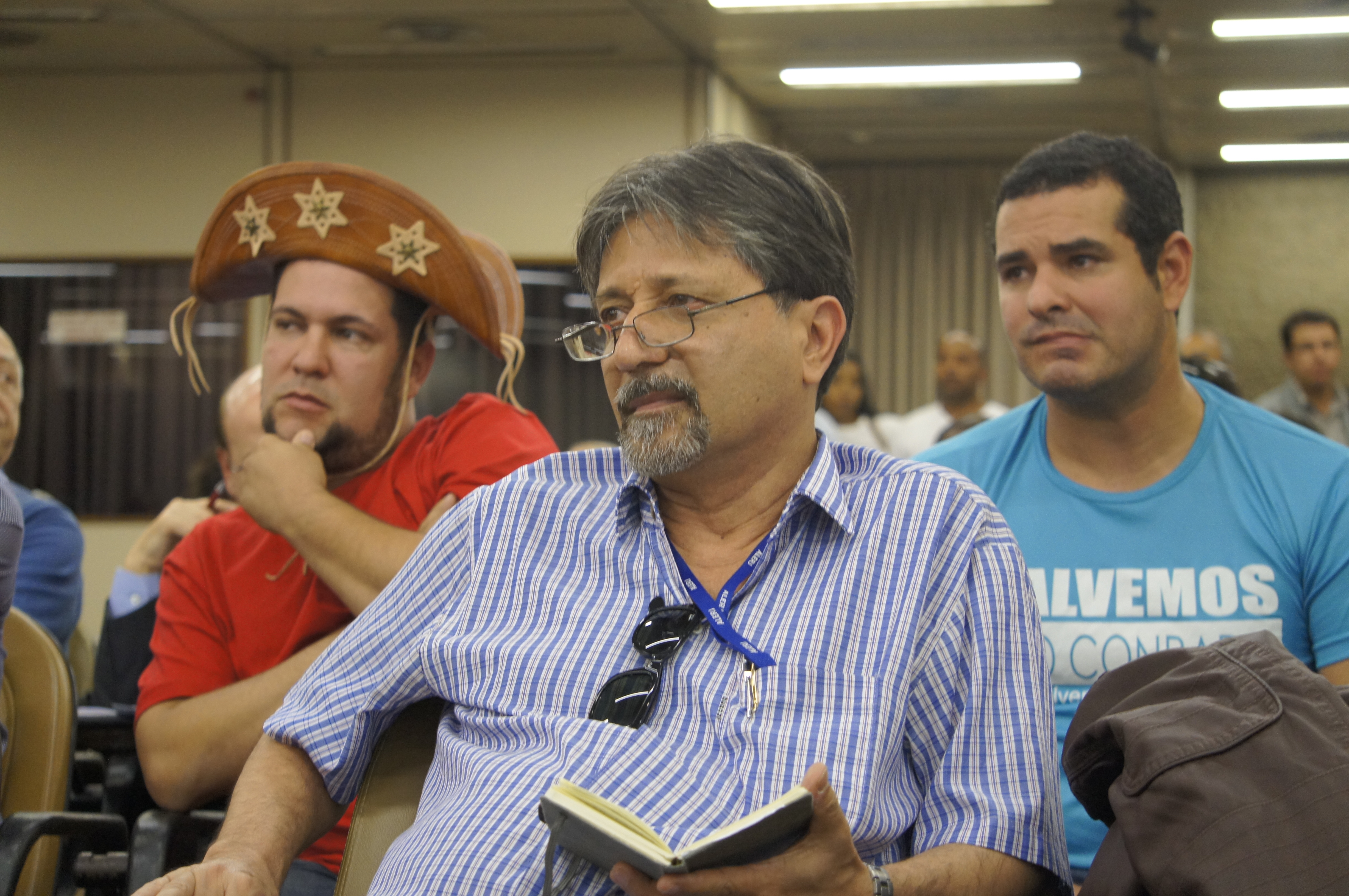
Adelson Guedes, representing a favela many of whose residents hail from the Northeast of Brazil, was at the hearing in partial regalia

For Enquanto você assistia à Copa, parte II: audiência pública sobre PAC II da Rocinha, na segunda-feira de cinzas, clique aqui

“Favelistic fiction,” a resident labeled the just-screeened short video, describing proposals for urban, sanitation, acessibility, mobility and housing upgrades in Rocinha. He was part of a group wearing bandit Lampião-style leather hats.

The proposals are part of a US$ 719 million equivalent Rio state project for Rocinha favela, the PAC II, about to be submitted to the federal funding agency, Caixa Econômica Federal.

Another resident reminded those present that it’s election season, that the PAC I promised sanitation upgrades which didn’t occur, while showier works such as a pedestrian overpass, a sports complex and a library were completed.

SONY DSC

Dennis Neves, who says it was his idea to march last year from Rocinha to then-governor Sérgio Cabral’s Leblon apartment building

“It’s hard to believe the things that they present to us,” he complained.

Monday, a four-hour required public hearing, held downtown in the dilapidated auditorium of a state office building, revealed the difficulties Brazil faces in deepening its democracy.

Announced during the World Cup in the Diário Oficial, with less than a week’s notice, the hearing almost filled the small auditorium. Present were various leaders from Rocinha and São Conrado, the formal neighborhood that has a symbiotic relationship with the  favela — home to 100,000 according to the federal IBGE, or double this number, according to residents who say the last census missed many households.

ddd

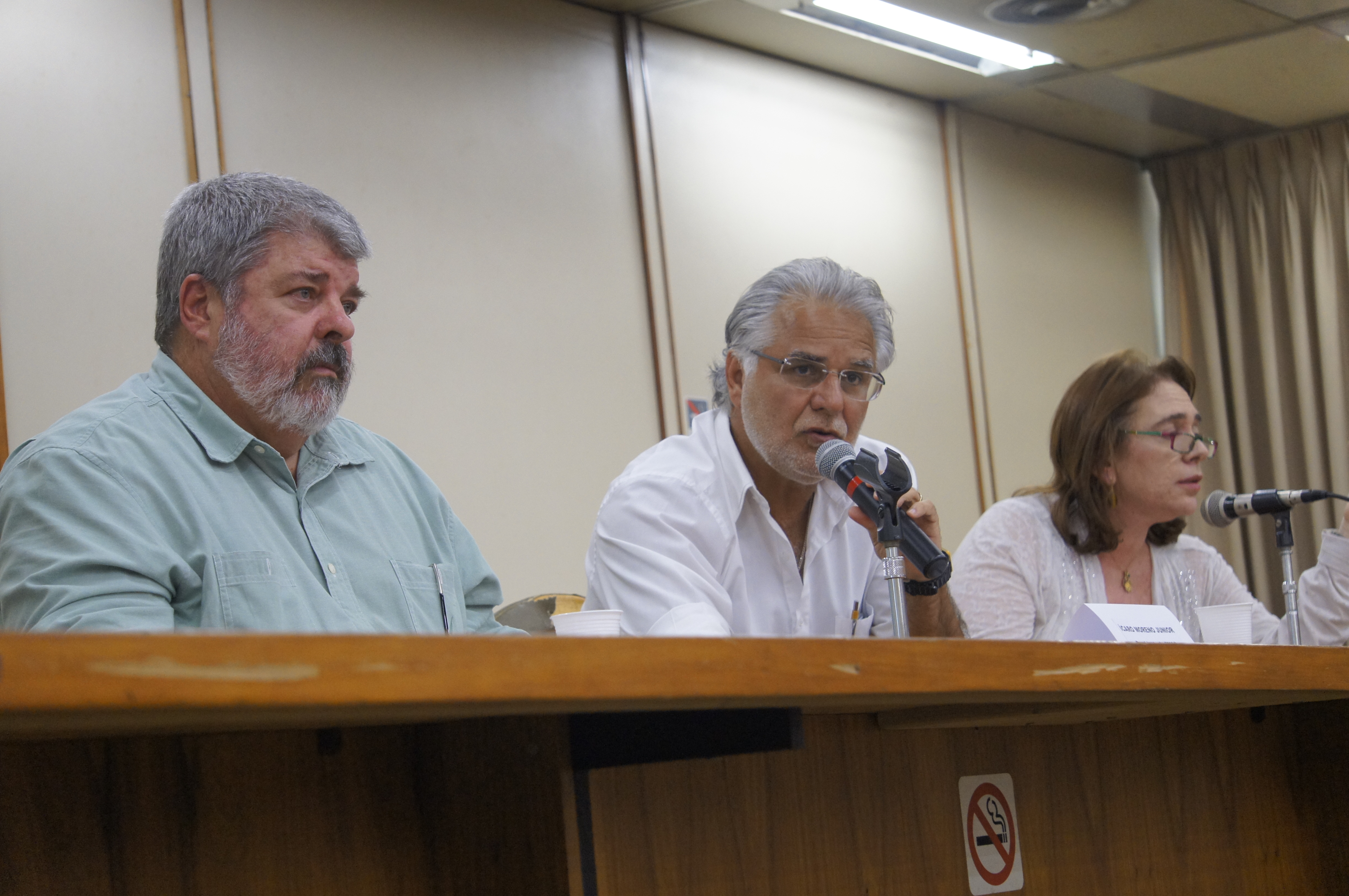
Sanitation specialist Ernani Costa, EMOP president Ícaro Moreno, and Ruth Jurberg, PAC II coordinator

Nowhere to be seen (or at least, heard) were city government officials, who will have to take on responsibility for maintaining part of the public works once they’re finished. Despite the presence of several photographers, yesterday the only story published on the hearing was a report by a Rocinha resident.

Four days prior to the meeting, O Globo predicted the hearing would “catch on fire”. That fire, however, had been previously put out, since the Empresa de Obras Públicas do Estado (State Public Works Company), EMOP, decided only days ago that the so-called “ecological crime” — using part of an Área de Relevante Interesse Ecológico (Area of Relevant Ecological Interest), or Arie, for the relocation of Rocinha residents, to apartments yet to be built — was off the drawing board. This, despite the argument of Ícaro Moreno, EMOP president, that orderly occupation is preferable to an inevitable disorderly occupation of such land.

Instead of fire there was booing and shouting. Rocinha residents accused their São Conrado neighbors of not wanting to share space with the favela, whose growth and limits are part of the debate.

SONY DSC

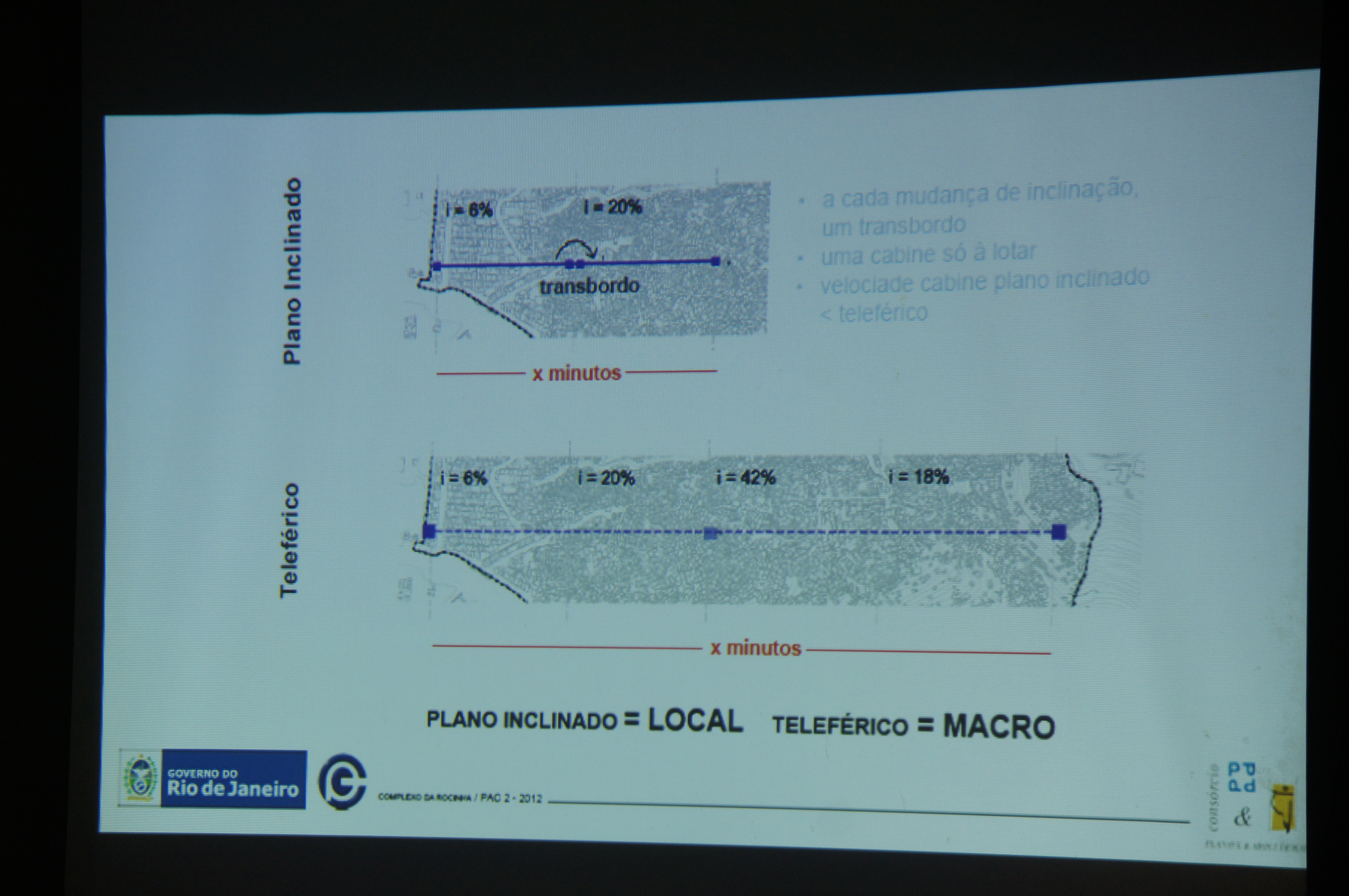
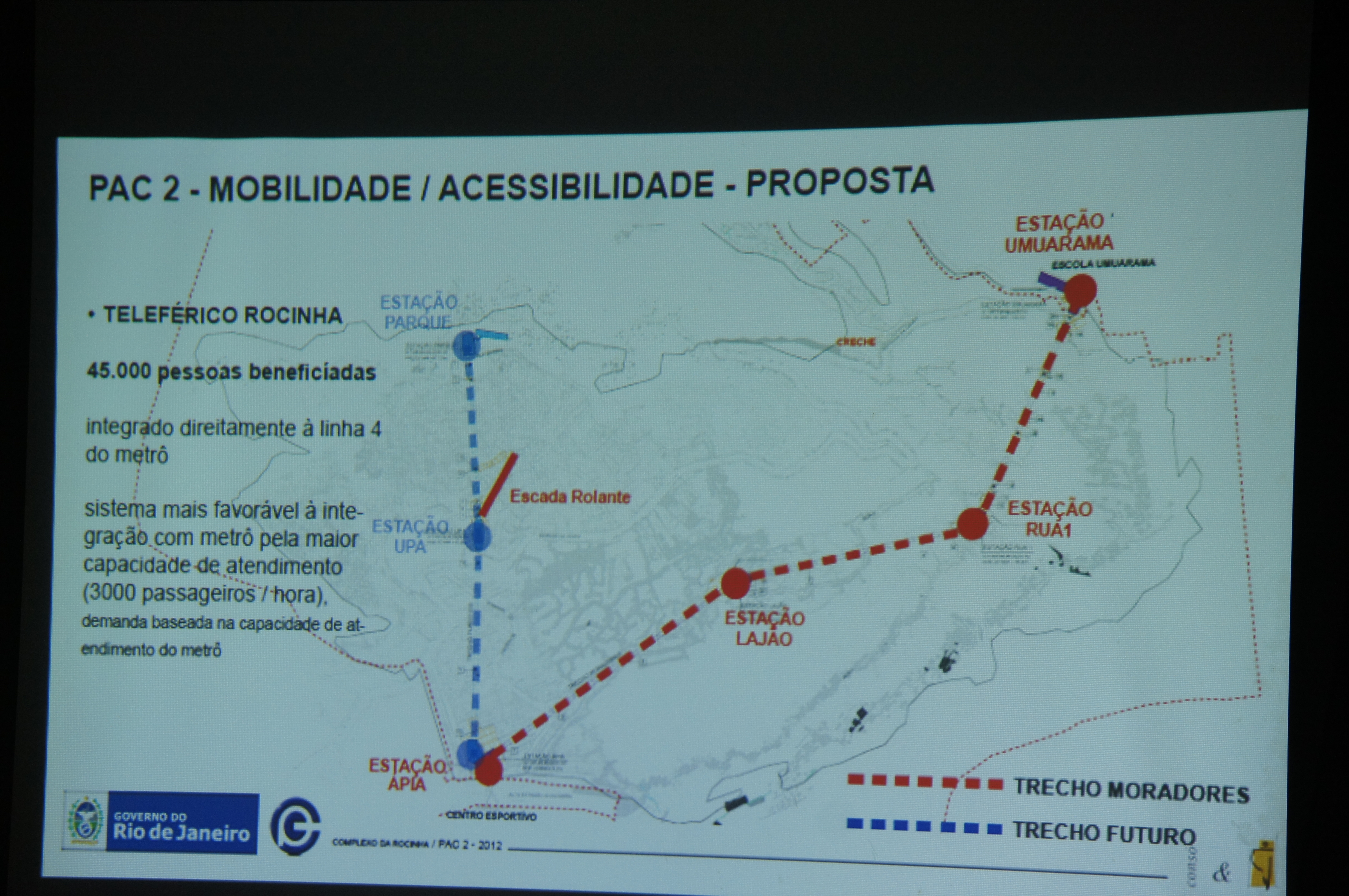
Conclusion: the cable car system is more efficient. Most residents weren’t convinced

After the video, PAC II coordinator Ruth Jurberg made a Powerpoint presentation. It would have been useful to have such detailed information available in advance of the hearing, online. Strangely, only one person complained about this.

Click here for her presentation: APRESENTAÇÃO_PAC2_14-07-14-R02 ppt_2014_07_02_R02

Many doubts were expressed. Would the families removed or relocated (the word used varies, depending on the speaker’s political viewpoint) by the PAC II would be adequately housed, in existing or new homes? Would the proposed sanitation truly meet the favela’s needs (or the city’s, since the project, as state legislator Aspásia Camargo pointed out, doesn’t consider the environmental impact of a considerable amount of untreated additional sewage sent out through the existing pipeline to the Cagarra islands area, a system criticized in a full-page piece in that day’s O Globo newspaper?)?

ddd

What’s the overall impact on the system?

The project proposes to link Rocinha to the Metro extension (now under construction) by way of pedestrian walkways and a cable car system. However there was no mention of the overall impact of this on the city, given the additional passenger flow; no one appeared to be present from the Metro concessionaire.

During a public hearing on the linear extension of the Metro (built instead of a network of lines), over two years ago, participants said they feared that at rush hour, Metro cars would arrive in Leblon and Ipanema crammed with passengers coming from Barra da Tijuca. At the time, Rocinha wasn’t part of the plan.

dd

Attentive and concerned hearing participants

Based on the information presented Monday, it’s impossible to make a complete and fair analysis of the project. How to evaluate residents’ needs and wishes? How to determine if they were fairly represented at the hearing? The favela, with a city-sized population, is much-divided.

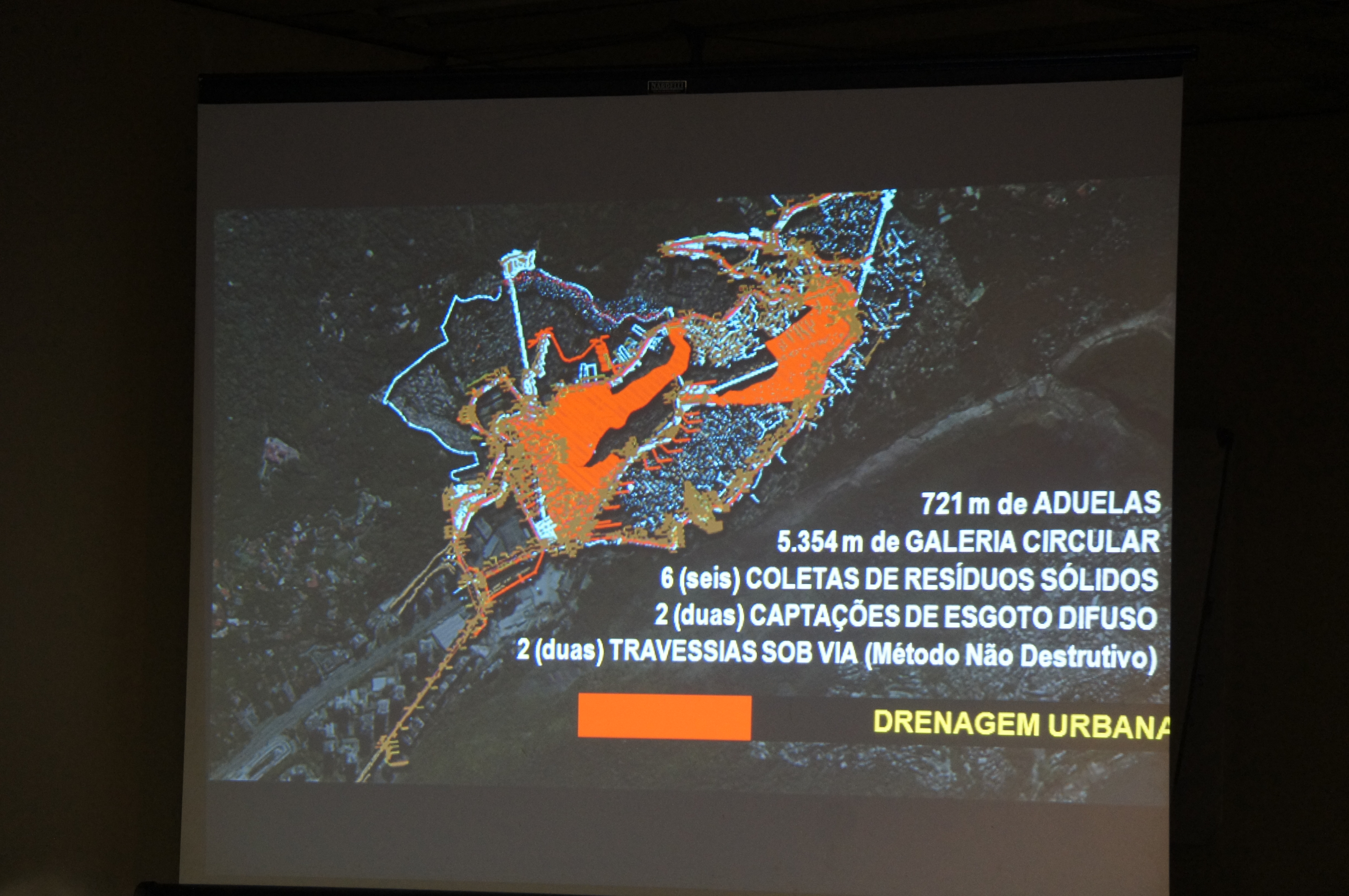
There is a Plano de Desenvolvimento Sustentável (Plan for Sustainable Development), drafted by the government together with residents, but it was launched two years ago, in book form — and the electronic version isn’t widely available. Thus, despite a detailed presentation (click here for it: ppt_2014_07_02_R02) by sanitation expert Ernani Costa, it’s no easy task to consider, for example, the proposed 11,300 additional meters of sewage collection piping in the context of total demand. What will the sewage picture look (and smell) like in Rocinha after the PAC II? What will São Conrado Beach look like?

From what he said, the sewage collection will not be from individual homes, but will gather what runs down the favela’s inclines in open sewage streams and send it, untreated, out to sea. This is a far cry from what residents say they want– and may simply be an attempt to offset opposition to the cable car system.

dd

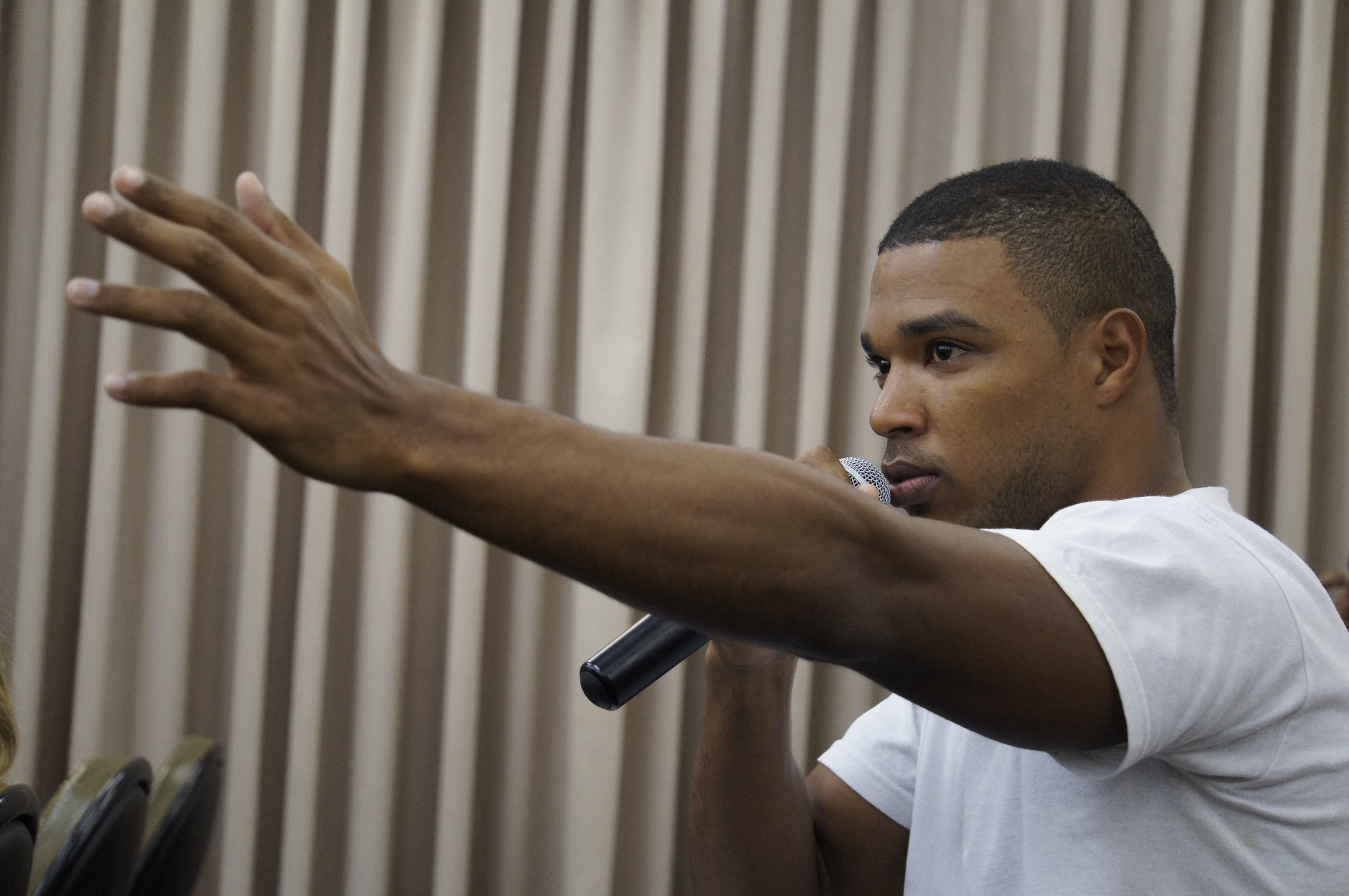
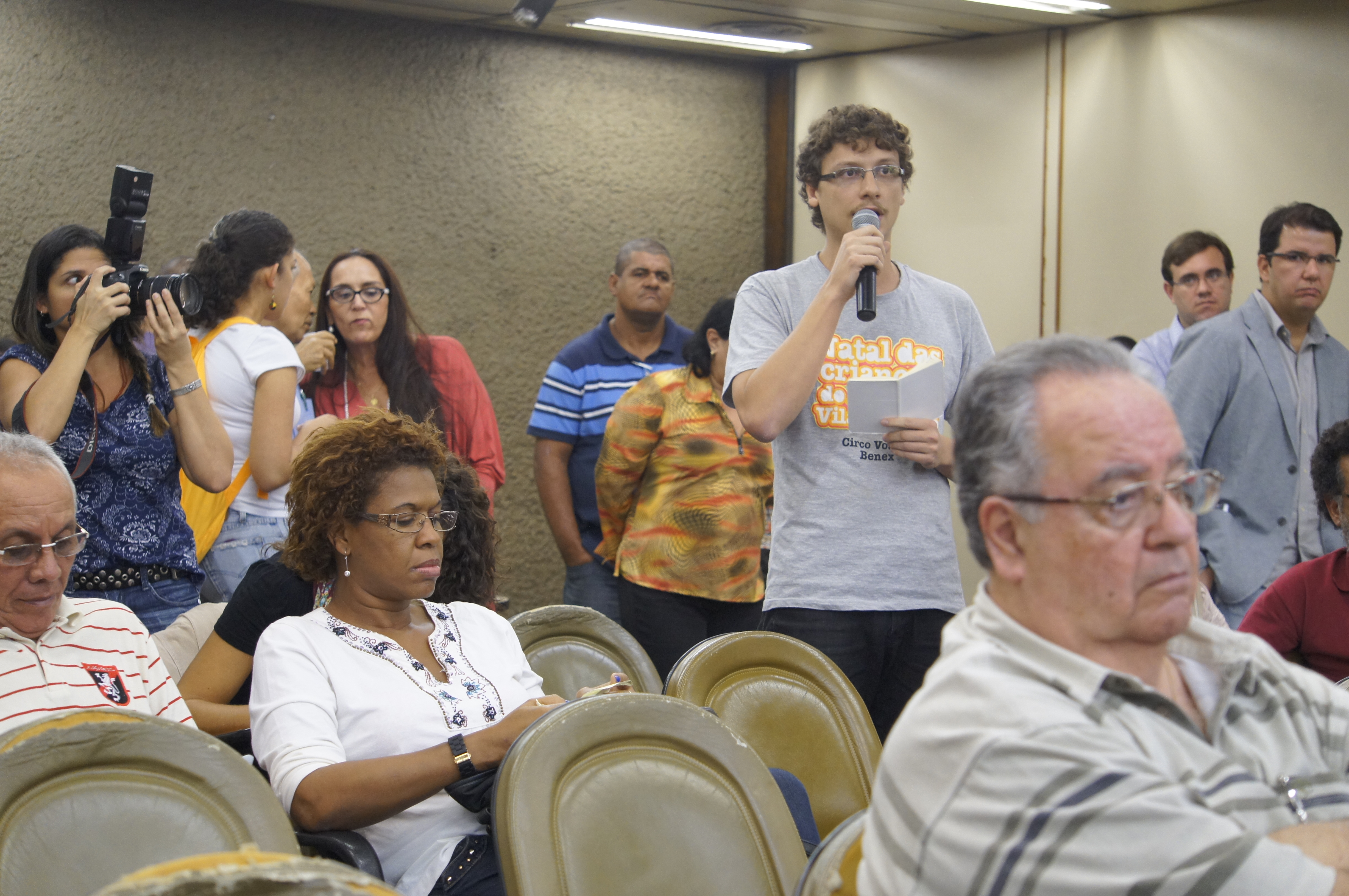
Guilherme Pimentel, campaign coordinator at  the digital activism group Meu Rio, asking away

Rocinha residents said they would have preferred the hearing be held in the favela. They felt the venue sent a message of disrespect and lack of attention (Although many meetings on the favela’s future have been held there). Notably, the complaint about a possibly more serious issue didn’t come from them.

This was the lack of online availability of the relevant information. Without such data, participant preparation was certain to be incomplete.  And Guilherme Pimentel, from Meu Rio, didn’t stop here. He questioned the legality of the hearing itself, since it’s possible that the rush to hold it may have led to failure to meet federal requirements. Under his coordination, Meu Rio is running a campaign against the proposed Rocinha cable car system, and in favor of sanitation.

SONY DSCPublic hearings are complex events. Monday’s brought worries regarding lack of trust, all parties’ difficulty with conflict resolution and working together for the greater good, and the absence of municipal government, the Metro and mainstream media, this last a great potential asset to the process, given an objective viewpoint and technical knowledge.

All concerned will surely find it important to keep tabs on the Caixa Econômica’s evaluation of the project and its execution over the next several years.

And, while we await the PAC II and this October’s elections, how about a review of our last governor’s campaign promises?

Posted in Brazil, Transformation of Rio de Janeiro / Transformação do Rio de Janeiro | Tagged , , , , , , , , | Leave a comment

Enquanto você assistia à Copa parte II: audiência pública sobre PAC II na Rocinha, na segunda-feira de cinzas

Anunciada às pressas, sem cobertura de imprensa tradicional

Representante de uma favela com grande população de origem nordestina

Adelson Guedes, representante de uma favela com grande população de origem nordestina, presente na audiência pública no centro da cidade

“Ficção favelistica”, denunciava o morador, parte de um grupo ostentando chapéus de couro no estilo Lampião.

Descrevia um filme sobre propostas de melhorias urbanísticas, de saneamento, acessibilidade, mobilidade e moradia. As propostas fazem parte de um projeto estadual de R$ 1,6 bilhões para a favela da Rocinha, o PAC II, prestes a ser submetido à agência federal que irá custeá-lo, a Caixa Econômica Federal.

Outro morador lembrava que estamos em época eleitoral, que no PAC I houve a promessa de saneamento, não cumprida, enquanto se construía uma passarela, um complexo esportivo e uma biblioteca.

SONY DSC

Dennis Neves, que diz ter idealizado a marcha de protesto em 2013, de moradores da Rocinha até o apartamento do então governador Sérgio Cabral

“A gente deixa de acreditar nas coisas que são apresentadas,” reclamou.

Ontem, num auditório mal conservado de um prédio de escritórios do governo estadual, no centro da cidade, uma audiência pública obrigatória, de quatro horas, mostrou as dificuldades de aprofundar a democracia brasileira.

Anunciada no Diário Oficial durante a Copa, com menos de uma semana de antecedência, a audiência quase encheu o pequeno auditório. Estavam presentes lideranças variadas da Rocinha e de São Conrado, o bairro formal que vive em simbiose com a favela — que abriga 100 mil moradores de acordo com o IBGE, ou o dobro disso, de acordo com alguns moradores que afirmam que o último censo negligenciou muitas casas.

ddd

O sanitarista Ernani Costa, o presidente da EMOP, Ícaro Moreno e Ruth Jurberg, coordenadora do PAC II

Não se via (ou pelo menos não se ouvia) ninguém do governo municipal, que terá que assumir a manutenção de parte das obras, depois de prontas. Apesar da presença de vários fotógrafos, hoje a única matéria que se encontra na imprensa é o relato de um morador da Rocinha.

Quatro dias antes da reunião, O Globo previa que a audiência iria “pegar fogo”. Aquele fogo fora, porém, apagado previamente, pois a Empresa de Obras Públicas do Estado, a EMOP, decidira dias antes que o “crime ecológico” — a utilização de parte de uma Área de Relevante Interesse Ecológico (Arie) para a construção de prédios de apartamentos para os moradores realocados da Rocinha– não iria mais acontecer. Isso, apesar de Ícaro Moreno, presidente da EMOP, argumentar que a ocupação ordenada preserve mais o meio ambiente do que uma inevitável ocupação desordenada.

Na ausência do fogo, houve vaias e palavras de ordem. Moradores da Rocinha acusaram os vizinhos de São Conrado de não querer conviver com a favela, cujos limites entraram na discussão.

SONY DSC

Conclusão: o teleférico é mais eficiente. Moradores não se convenceram

Depois do filme, Ruth Jurberg, coordenadora do PAC II, fez uma apresentação em Powerpoint (veja : APRESENTAÇÃO_PAC2_14-07-14-R02). Teria sido útil se as informações detalhadas tivessem sido disponibilizadas com antecedência, pela Internet. Notavelmente, apenas uma pessoa reclamou dessa falta.

Muitas duvidas se expressaram: se as famílias removidas ou realocadas (a palavra varia, dependendo do ponto de vista politico de quem fala) pelo PAC II iriam ser adequadamente abrigadas, em moradias existentes ou novas; se o saneamento proposto realmente atendia à favela (e à cidade, pois o projeto, como apontou a deputada estadual Aspásia Camargo, não engloba o impacto ambiental de levar uma quantia considerável de esgoto adicional para a região das ilhas Cagarra, por meio do emissário submarino, cujo funcionamento foi criticado justamente ontem em matéria de uma página do jornal O Globo).

ddd

Qual o impacto no sistema como um todo?

O projeto visa, ao incluir passarelas e um sistema de teleférico, a ligação da Rocinha ao sistema do Metrô. Não se falou, porém, sobre o impacto geral na cidade, do fluxo adicional de passageiros (não estava presente ninguém da concessionária). Durante uma audiência pública sobre a extensão linear do Metrô (em vez de fazer uma rede de linhas), há mais de dois anos, perguntava-se se os vagões do Metrô não chegariam a Ipanema já cheios, na hora do rush, de passageiros vindo da Barra da Tijuca. Na época, a Rocinha não fazia parte do traçado.

dd

Público atento e preocupado

Na base apenas das informações apresentadas ontem, é impossível fazer uma análise redonda do projeto. Como avaliar as atuais necessidades e desejos dos moradores? Como saber se estão bem representados na audiência? Há muitas divisões na favela, cuja população equivale a uma cidade.

Existe um Plano de Desenvolvimento Sustentável, elaborado pelo governo em conjunto com moradores, mas foi lançado, em forma de livro, há dois anos — e a versão eletrônica não está amplamente disponível. Assim, apesar de uma detalhada apresentação (veja: ppt_2014_07_02_R02) pelo sanitarista Ernani Costa, fica difícil avaliar, por exemplo, os 11.300 metros de extensão da rede de esgoto no contexto da demanda total. Como ficará o esgoto da Rocinha? Como ficará a praia de São Conrado?

Pelo que Costa disse, a coleta de esgoto não será a partir das casas individuais. Em vez disso, a tubulação instalada irá coletar aquilo que jorra pelas ladeiras da favela em valas abertas e enviá-lo, sem tratamento, para o mar. Pouco tem a ver com o que os moradores gostaria de ver – e pode ser, simplesmente, uma tentativa de reduzir a oposição ao sistema de teleférico.

dd

Guilherme Pimentel, coordenador de campanha do grupo de ativismo digital e real, Meu Rio, faz suas perguntas

Moradores da Rocinha disseram ter preferido que a audiência tivesse acontecido na própria favela. Para eles, o local escolhido demonstrava uma falta de respeito e atenção (mesmo sendo que a Rocinha já acolhera muitas reuniões sobre o futuro da comunidade).

Porém, não foram eles que reclamaram de algo possivelmente bem mais sério: a falta de disponibilidade de informações pela internet. Sem elas, o preparo de qualquer participante fica a desejar.

E Guilherme Pimentel, do Meu Rio, não parou nesse quesito. Questionou se a audiência teria legalidade, pois talvez a pressa de realizá-la tenha encurtado prazos. Sob a coordenação dele, Meu Rio faz uma campanha contra o teleférico na Rocinha, e a favor do saneamento.

SONY DSC

Audiências públicas são eventos complexos. A de ontem preocupa bastante pela falta de confiança e preparo, pela dificuldade que todas as partes demonstram na resolução de conflitos e no trabalho pelo bem comum, e pela ausência da prefeitura, do Metrô e da imprensa tradicional, sendo que esta última poderia acrescentar uma visão isenta e tecnicamente bem embasada.

Será importante, para todos, acompanhar a avaliação do projeto pela Caixa Econômica, e sua execução durante os próximos anos.

E, enquanto aguardamos o PAC II e as eleições de outubro, que tal rever as promessas do nosso último governador?

Posted in Brasil, Transformation of Rio de Janeiro / Transformação do Rio de Janeiro | Tagged , , , , , , , | 3 Comments

While you were watching the World Cup, part I: O Globo’s Rio editor departs

A look at Rio de Janeiro coverage by the city’s most important paper

nnn

Gilberto Scofield (photo by Marcos Alves)

Para Enquanto você assistia à Copa, parte I: a saída do editor da seção Rio do jornal O Globo, clique aqui

Should a newspaper reflect its readers’ world, or help them to expand it?

In the context of constant negotiation between these two poles, a duty undertaken by any form of media, RioRealblog recently spoke with Gilberto Scofield, former editor  of the Rio section of O Globo. He was fired early this month, after a staff disagreement.

It should be noted that the constant negotiation between these two poles takes place against a tough background. After the 2002 death of journalist Tim Lopes, at the hands of a Complexo do Alemão drug trafficker, the Brazilian media abandoned Rio’s favelas.

The favelas are home to a fifth of the population. For at least six years, journalists and most of the rest of the other four fifths avoided informal areas. The resulting lack of information about them, together with rising rates of violence, led to many assumptions and the creation of a mythology about favelas and their residents, which — despite pacification as of 2008 — to this day remains in the minds of many cariocas (including journalists), particularly those of the South Zone.

“Rocinha is ours”, O Globo headlined the favela’s 2011 police occupation. Ours? many people asked. Who is the we?

Thus, a year and a half ago, Gilberto Scofield arrived from São Paulo to head up the Rio section of a newspaper that doesn’t use the names of organized crime groups, preferring to call them “factions”; a paper whose support of pacification prevents it from criticizing the state government; a paper that provides superficial coverage of the controversial removal of favela residents; a paper whose South Zone focus leads to the neglect not only of the North and West Zones, but also that of neighboring towns in the metropolitan area, where daily life is ever more connected with Rio de Janeiro proper.

Little of this changed under his direction.

But Rio coverage improved a great deal. Washington Fajardo, municipal Secretary of Cultural Heritage, Urban Intervention, Architecture and Design — an outspoken man, despite his job, on a variety of topics regarding Rio — was one of the first to praise him after the firing, on Facebook.

He said that Scofield helped the city. “Your attention to the areas of planning, projects and design also helped to inform readers and the population at large,” he wrote. “Particularly at this special moment of urban transformation, to speak of cities as you did creates a level of quality of information from which there can be no return. It’s your legacy. Congratulations on your innovations, fruit of your ability and advanced vision.”

Globo’s Rio coverage did expand and become more varied. We have fewer superficial and timid pieces, more articles about favelas and other parts of the city and state that were previously neglected. We have two new columns, one on design (of all sorts), and a weekly column about daily life, Panorama Carioca, that Scofield shared with others (see an example here). Last year the paper created a contest for UFRJ students, on the revitalization of some Rio train stations. Given much attention during the new Design Week, partially sponsored by Globo, the contest is to be enlarged and continued this year, the former editor says. “You have to use this great ocean of minds,” he comments, noting that the academic world tends to keep to itself.

Contests, however, even when sponsored by O Globo, do not always lead to concrete results. Three years ago, the Morar Carioca contest — presented with fanfare by the paper — chose 40 projects for the favela upgrades, by architecture firms. Most never left the drawing board.

The experience of living in cities such as Washington D.C. and Beijing, as a Globo correspondent, was helpful to Scofield in his job as Rio editor. In D.C., he observed a level of community participation that is quite rare here. Given a lack of vision and urban planning in Rio, he says, it’s crucial to encourage debate. “Democracy is a very young concept in Brazil,” he explains. “We need to learn how to live in communities.” He brings up the praça São Salvador controversy, where residents are losing sleep because of the noise made by bohemian partiers.

“We have to decentralize the South Zone debate”, adds Scofield, who grew up in Méier, in the North Zone. “Why not have a traveling Christmas tree? Why not have it one year in the Lagoa [Rodrigo de Freitas], and one year at Ramos Beach?”

If he’d stayed on in the job, says Scofield, he would have done more investigative journalism in the political arena, researching links among interest groups and the state legislature, for example. He would also have given more coverage to the West Zone. Tourism in Rio would have been another topic to explore.

From this blogger’s point of view, the newspaper could do much for the city’s move towards integration between its formal and informal parts, reporting more on daily life in favelas, to challenge the myths in the heads of those who live on the “asphalt” — and to provoke dialogue. What was it like for people in Rocinha last April, for example, to do without water every other day?

The paper could also help the reader to understand to what extent he or she is part of a metropolitan area of 12 million inhabitants — a region that will only be able to clean up Guanabara Bay, for example, by way of coordination that goes far beyond the capital.

Rolland Gianotti, Scofield’s assistant editor, is his temporary replacement. O Globo hasn’t yet announced a definitive name. Meanwhile, readers will sometimes find themselves reflected in the newspaper, and sometimes, encouraged to consider themselves within the metropolis. As time goes on, we’ll see how O Globo works the ratio, in the tense environment of transition from print to digital newspapering.

Scofield, who’s now thinking about his new life, vows to keep up with the debate. He plans to attend the upcoming OsteRio meetings, for example. “The city is in me,” he says.


Posted in Brazil, Transformation of Rio de Janeiro / Transformação do Rio de Janeiro | Tagged , , | 2 Comments

Enquanto você assistia à Copa, parte I: a saída do editor da seção Rio do jornal O Globo

Olho na cobertura do Rio de Janeiro, feita pelo seu jornal mais importante

nnn

Gilberto Scofield (foto Marcos Alves)

Deve um jornal refletir o mundo de seus leitores, ou ajudá-los a expandi-lo?

No contexto da negociação constante entre esses dois pólos, realidade de qualquer meio  de comunicação, o RioRealblog conversou recentemente com Gilberto Scofield, ex editor da seção Rio de O Globo. Foi demitido no começo deste mês, após uma desavença interna.

Vale dizer que a negociação constante entre os dois pólos acontece diante de uma história repleta de dificuldades e desafios. Depois da morte do jornalista Tim Lopes em 2002, no Complexo do Alemão, nas mãos de um traficante, os meios de comunicação brasileiros sumiram das favelas do Rio.

As favelas abrigam um quinto da população. Por pelo menos seis anos, os jornalistas e quem mais constituísse os outros quatro quintos evitaram as áreas informais. A falta de conhecimento desta geografia, junto com taxas crescentes de violência, contribuíram para o surgimento de mitos e suposições sobre as favelas e seus moradores, muitos dos quais — apesar da pacificação, desde 2008 — perduram até hoje nas mentes dos cariocas  (inclusive jornalistas), sobretudo os da Zona Sul.

“A Rocinha é nossa”, O Globo estampou em sua primeira página, no dia depois da ocupação policial da favela, em 2011. Nós quem? muita gente perguntou.

Assim, há um ano e meio Gilberto Scofield chegou de São Paulo para a chefia da seção Rio de um jornal que não cita nomes dos grupos criminosos, preferindo chamá-los de “facções”; um jornal que, ao apoiar a pacificação, evita criticar o governo estadual; um jornal que cobre as polêmicas remoções de moradores de favela de maneira superficial; um jornal de foco privilegiado na Zona Sul, a detrimento não apenas das Zonas Norte e Oeste, mas também das cidades que fazem parte da região metropolitana, cada vez mais interligadas com o Rio de Janeiro propriamente dito.

Pouco disso mudou sob seu comando.

Mas a cobertura do Rio melhorou muito. O secretário de Patrimônio Cultural, Intervenção Urbana, Arquitetura e Design da prefeitura do Rio, Washington Fajardo — voz franca, apesar do cargo, sobre uma variedade de assuntos tocante ao Rio — foi um dos primeiros a elogiá-lo depois da demissão, pelo Facebook.

Disse que Scofield ajudou a cidade. “Sua atenção para o campo do planejamento, projeto e design também ajudou a educar e formar leitores e população,” escreveu. “Em especial neste momento de transformação urbana falar sobre cidades como você fez cria um patamar de qualidade de informação que não tem mais possibilidade de regresso. É o seu legado. Parabéns pelas inovações que você trouxe frutos da sua competência e visão avançada.”

De fato, a cobertura do Rio expandiu e se enriqueceu. Temos matérias menos superficiais e tímidas, mais matérias sobre favelas e outras partes da cidade e do estado até então ignoradas. Temos duas novas colunas, uma sobre design (num sentido irrestrito), e uma coluna semanal sobre a vivência local, Panorama Carioca, que Scofield compartilhava com outros comentaristas (veja um exemplo aqui). No ano passado, o jornal instituiu um concurso, entre alunos da UFRJ, para a revitalização das estações de trem. Com grande destaque durante a nova Semana de Design, em parte patrocinada pelo jornal, o concurso seria repetido e ampliado neste ano, diz o ex editor. “Tem que aproveitar esse mar de cérebros,” comenta, falando sobre o mundo acadêmico que costuma ficar fechado em si.

Concursos, porém, mesmo quando patrocinados pelo Globo, nem sempre levam a realizações concretas. Há três anos, o Concurso Morar Carioca — apresentado com alarde no jornal — selecionou 40 projetos de escritórios de arquitetura para a urbanização de favelas. A maioria não saiu da prancheta.

A experiencia de morar em cidades como Washington D.C. e Pequim, como correspondente do Globo, contribuiu para a atuação de Scofield na editoria Rio. Na capital americana, ele observou um nível de participação comunitária bastante rara por aqui. Diante de uma falta de visão e planejamento urbano no Rio, diz ele, é crucial fomentar o debate. “A democracia é um conceito muito jovem no Brasil,” explica. “Precisamos aprender a conviver em comunidade.” Cita a polêmica da praça São Salvador, onde moradores perdem sono por causa do barulho de frequentadores boêmios.

“É preciso decentralizar o debate da Zona Sul”, acrescenta Scofield, criado no Méier, Zona Norte. “Por que não termos uma árvore de Natal que viaje? Por que não colocá-la um ano na Lagoa, um ano na praia de Ramos?”

Se tivesse ficado mais tempo como editor, diz Scofield, teria desenvolvido mais o jornalismo investigativo na área política, pesquisando ligações entre grupos de interesse e o legislativo, por exemplo. Também, teria dedicado mais cobertura à Zona Oeste. O turismo no Rio de Janeiro seria outro assunto a ser explorado.

Do ponto de vista desta blogueira, o jornal muito poderia contribuir para a integração da cidade, reportando mais sobre a realidade do dia a dia em suas partes informais, para desafiar os mitos nas cabeças de quem mora no asfalto — e suscitar o diálogo. Como foi no mês passado de abril, por exemplo, na Rocinha, lidar com a falta de água quase contínua?

O jornal também poderia ajudar o leitor a entender em que medida que ele faz parte de uma área metropolitana de 12 milhões de habitantes — uma região que só poderá limpar a baía de Guanabara, por exemplo, por meio de uma coordenação que vai muito além da capital.

Rolland Gianotti, editor-adjunto de Scofield, o substitui interinamente. Não se sabe ainda o nome do novo editor definitivo. Enquanto isso, os leitores por vezes se vêem espelhados no jornal e por vezes, instigados a se pensarem na metrópole. Veremos, mas adiante, em qual proporção O Globo irá dosar as funções, num ambiente tenso de grande transição entre o jornal impresso e o jornal digital.

Scofield, que agora reflete sobre a vida nova, jura que vai continuar participando do debate. Já confirmou presença nos próximos encontros, por exemplo, do OsteRio. “A cidade está dentro de mim,” diz.


Posted in Brasil, Transformation of Rio de Janeiro / Transformação do Rio de Janeiro | Tagged , , | Leave a comment

Going to a World Cup game in Rio de Janeiro


 Gearing up

Gearing up

Thanks to a blog reader/friend, a ticket to the France-Equador game was acquired, at a reasonable price (considering).

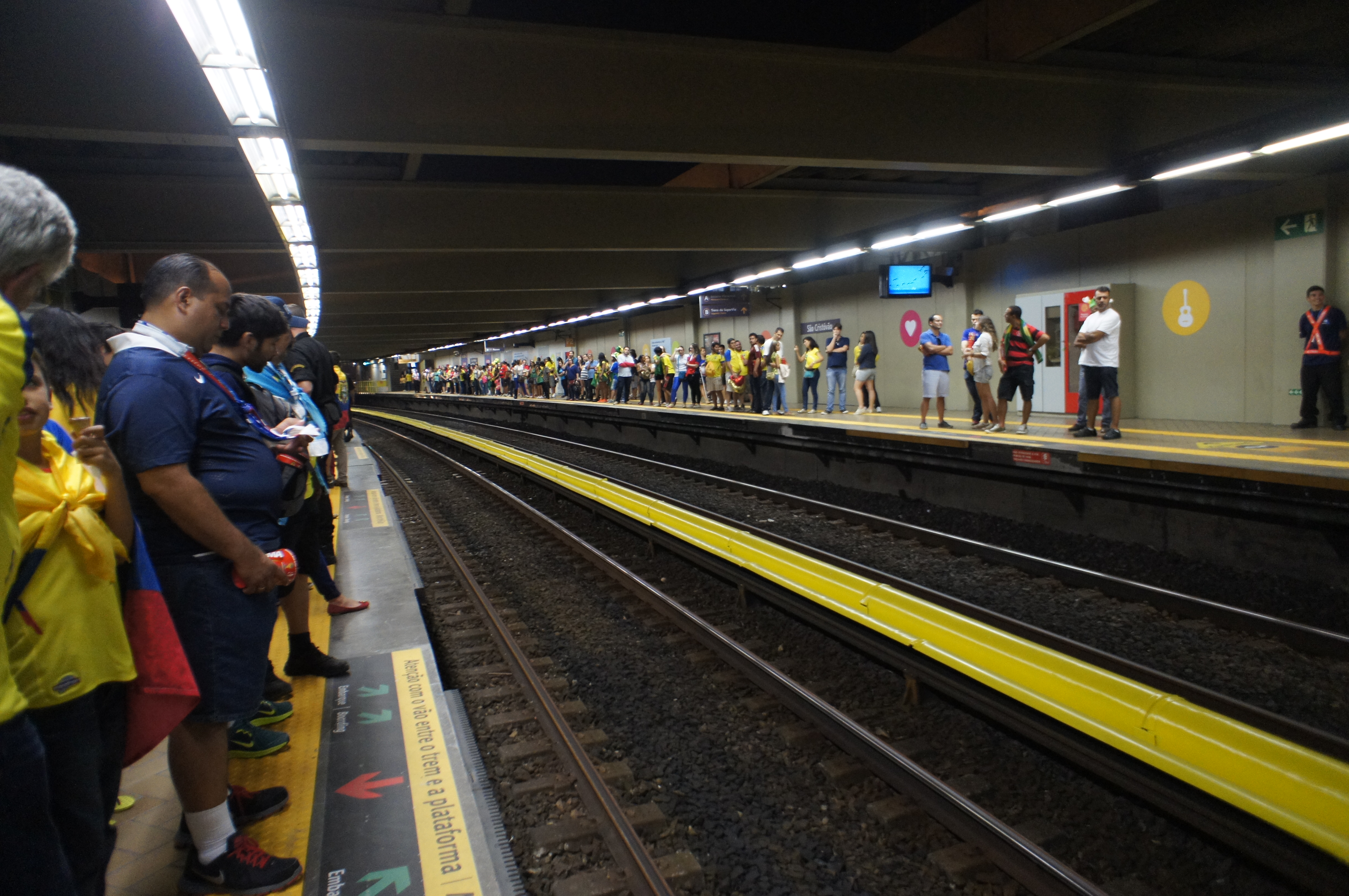
And so, your blogger took a free subway ride yesterday (for game attendees), and got out at the São Cristóvão station, as it was closest to the gate nearest our seats. Game tickets were being sold, illegally (and you can be arrested, if caught) at the bottom of the metro stairway, for as “little” as 600 reais.

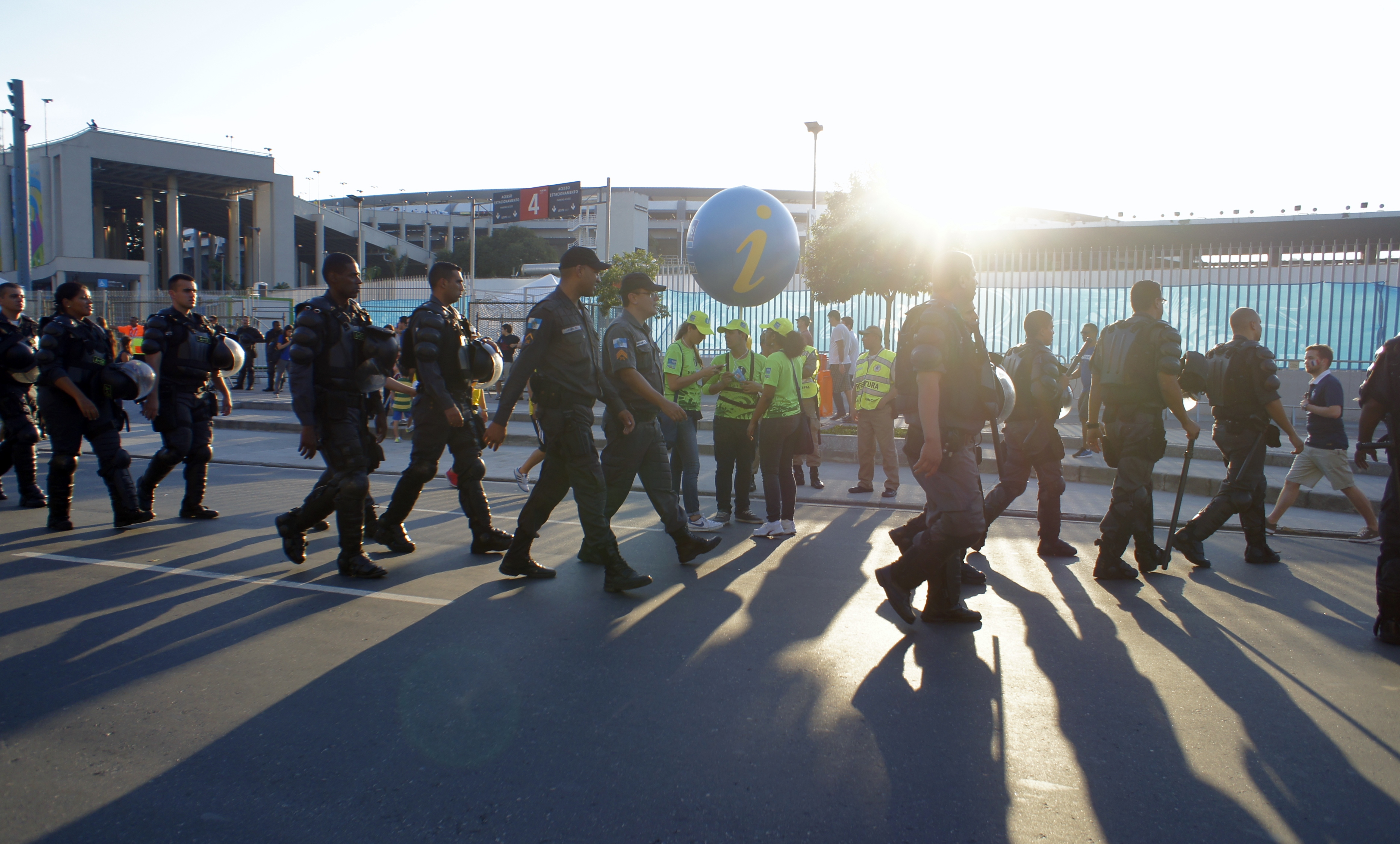
Six or seven police checkpoints

Six or seven police checkpoints

Police almost everywhere

Police almost everywhere

At last!

At last!

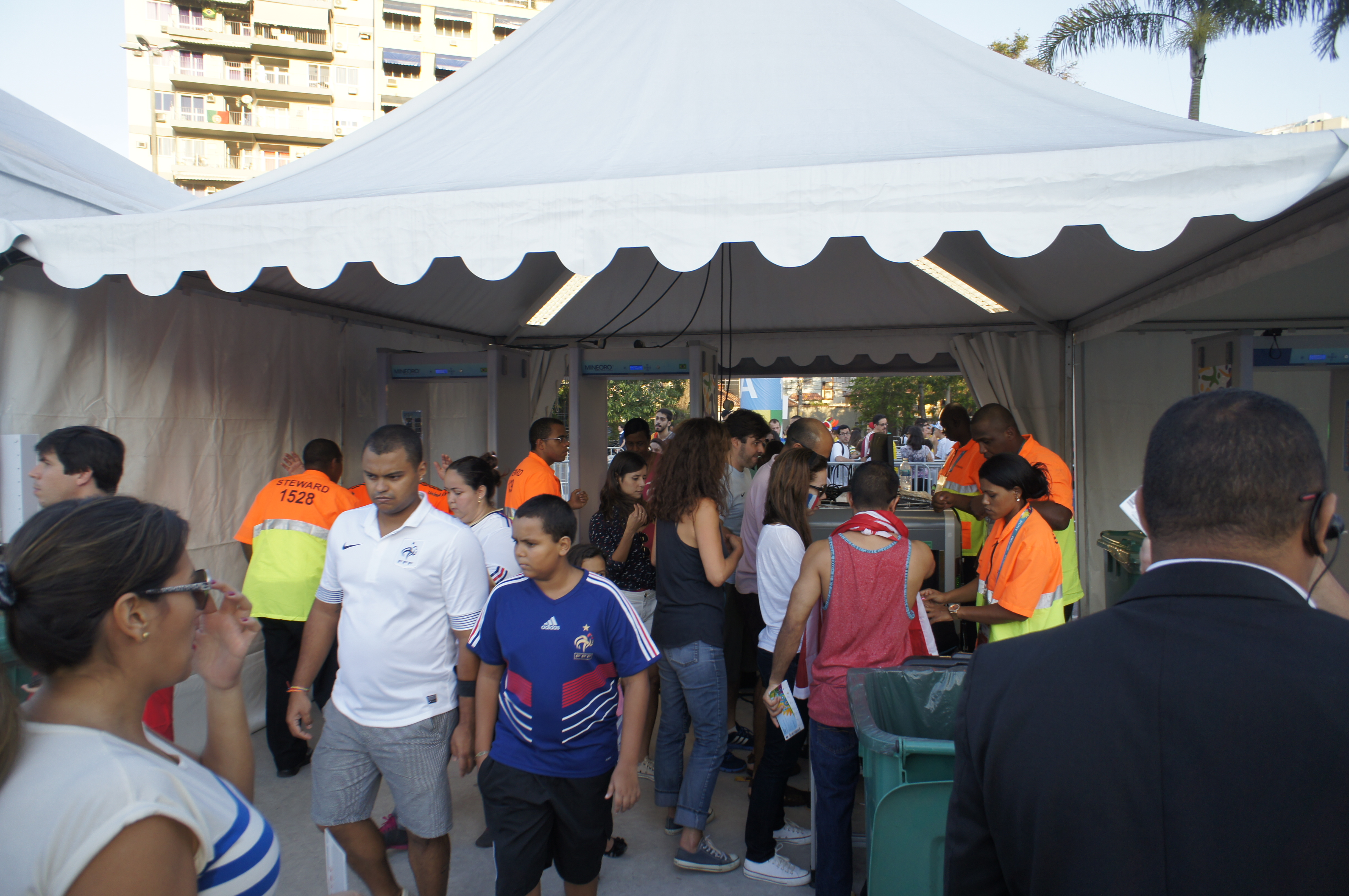
Metal detectors and all

Metal detectors and all

SONY DSC

Outdoor view ignored by most

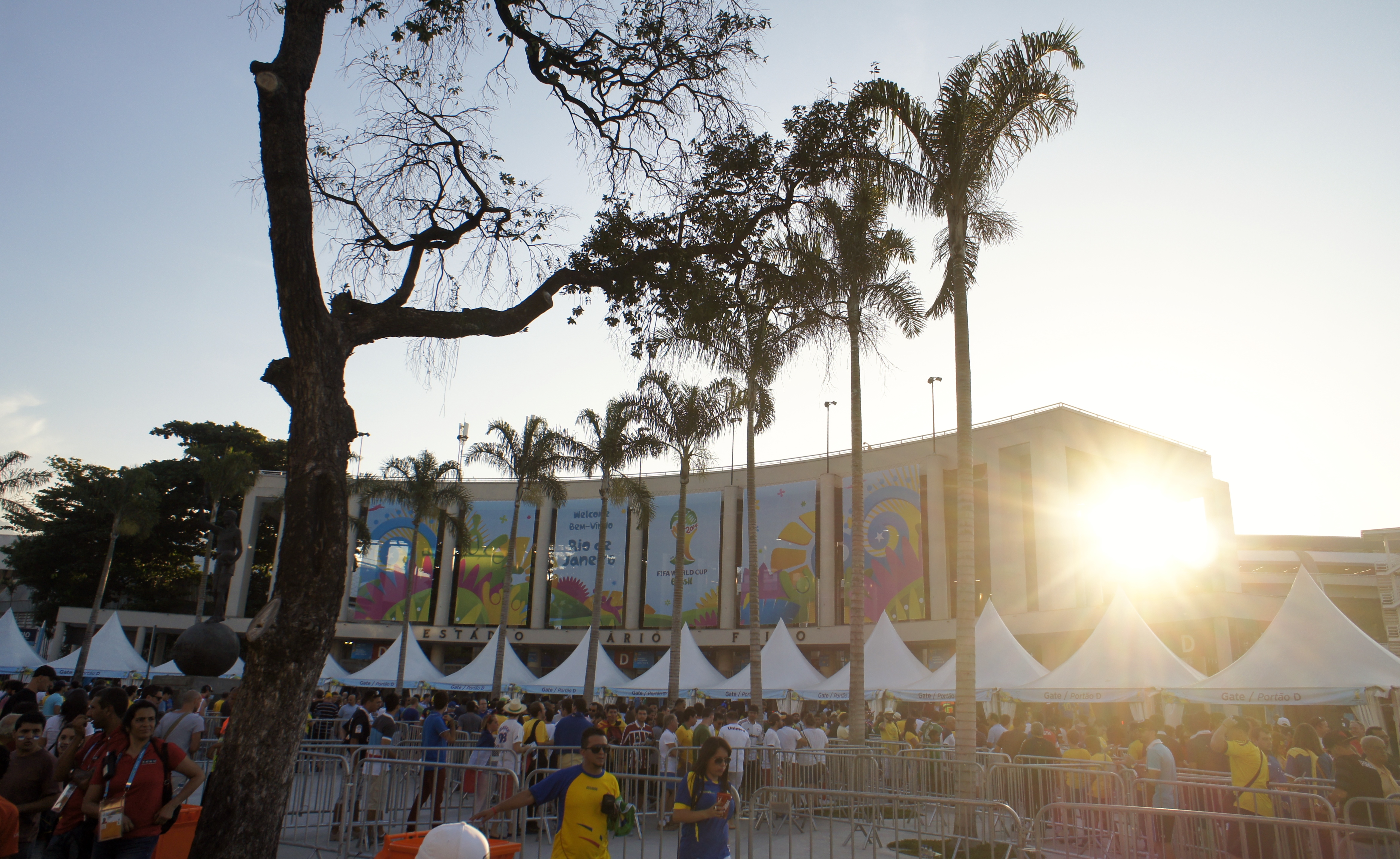
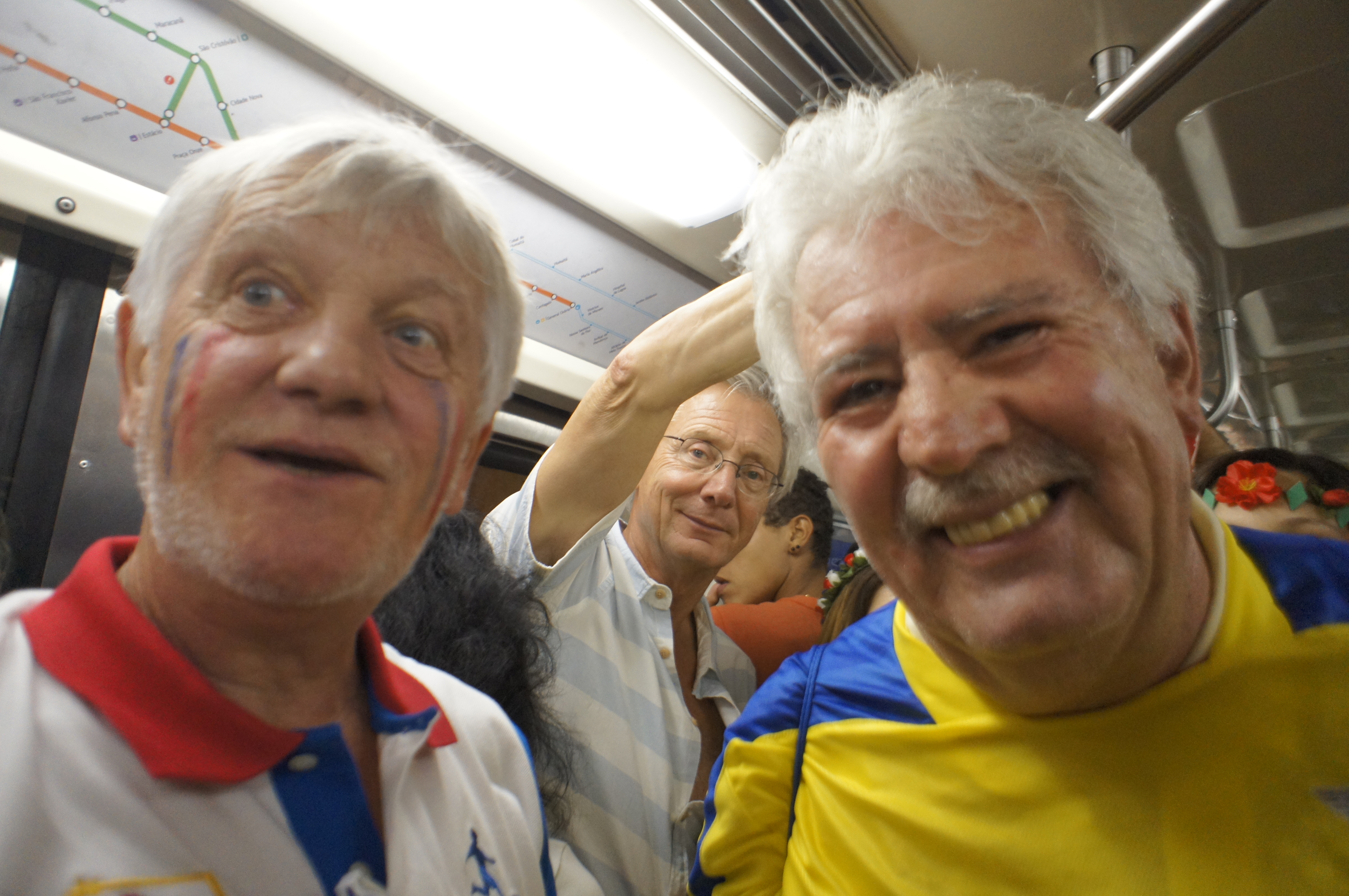
Then came a long walk on a highway overpass and through six or seven police checkpoints, where all you had to do was wave your very expensive ticket. But first, free face-painting was in order, with stripes in red, white and blue —  yellow, red and blue. And lots of posing for pictures, in an atmosphere like Carnival, without the music.

Long lines for food and drink

Long lines for food and drink

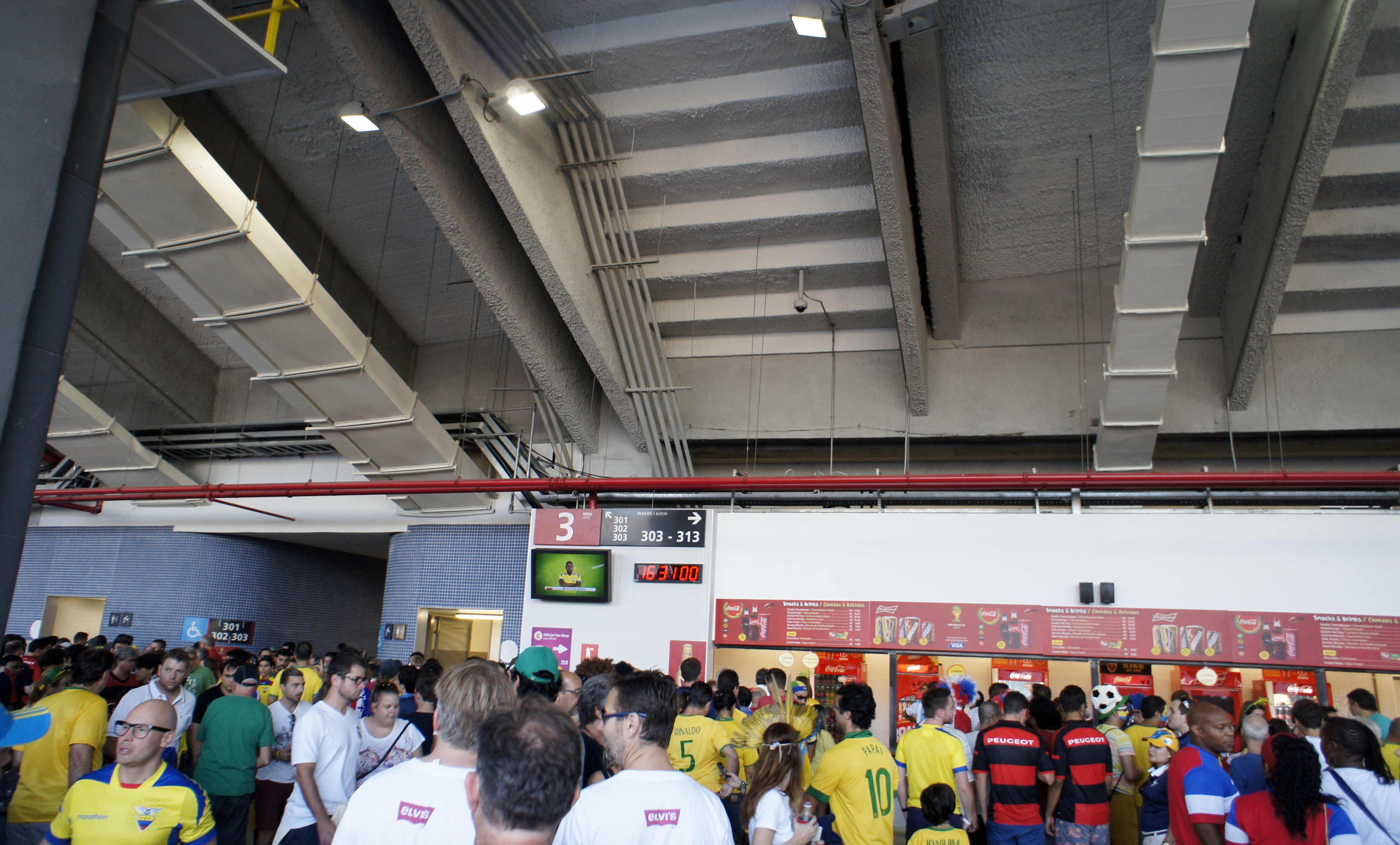
Then a security check, then a walk up several ramps, to the rest room and concessionaire area. FIFA’s alcohol limitations (resulting in long lines) conspired to keep consumption to a minimum, forcing spectators to focus on the game.

SONY DSC

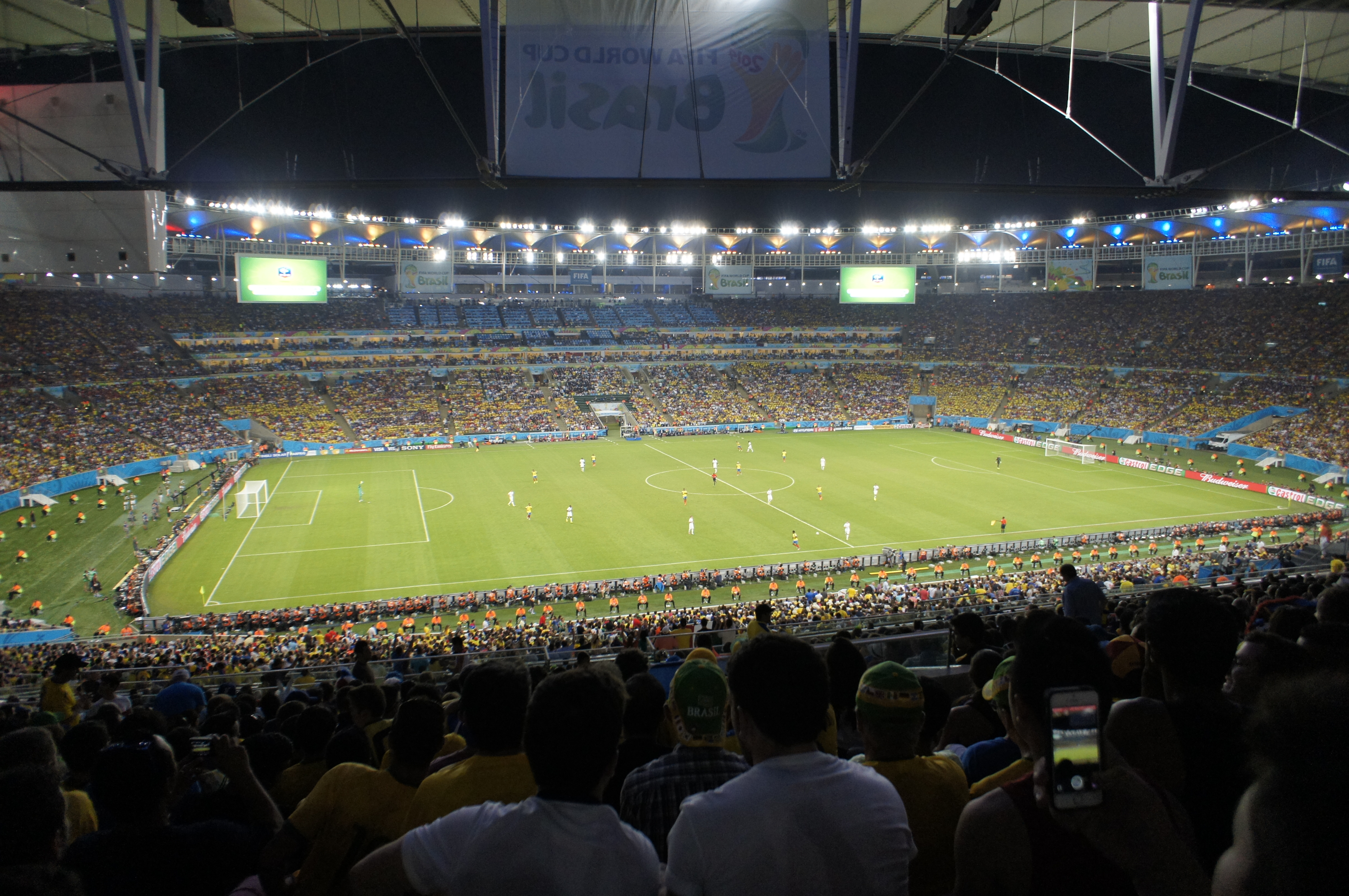
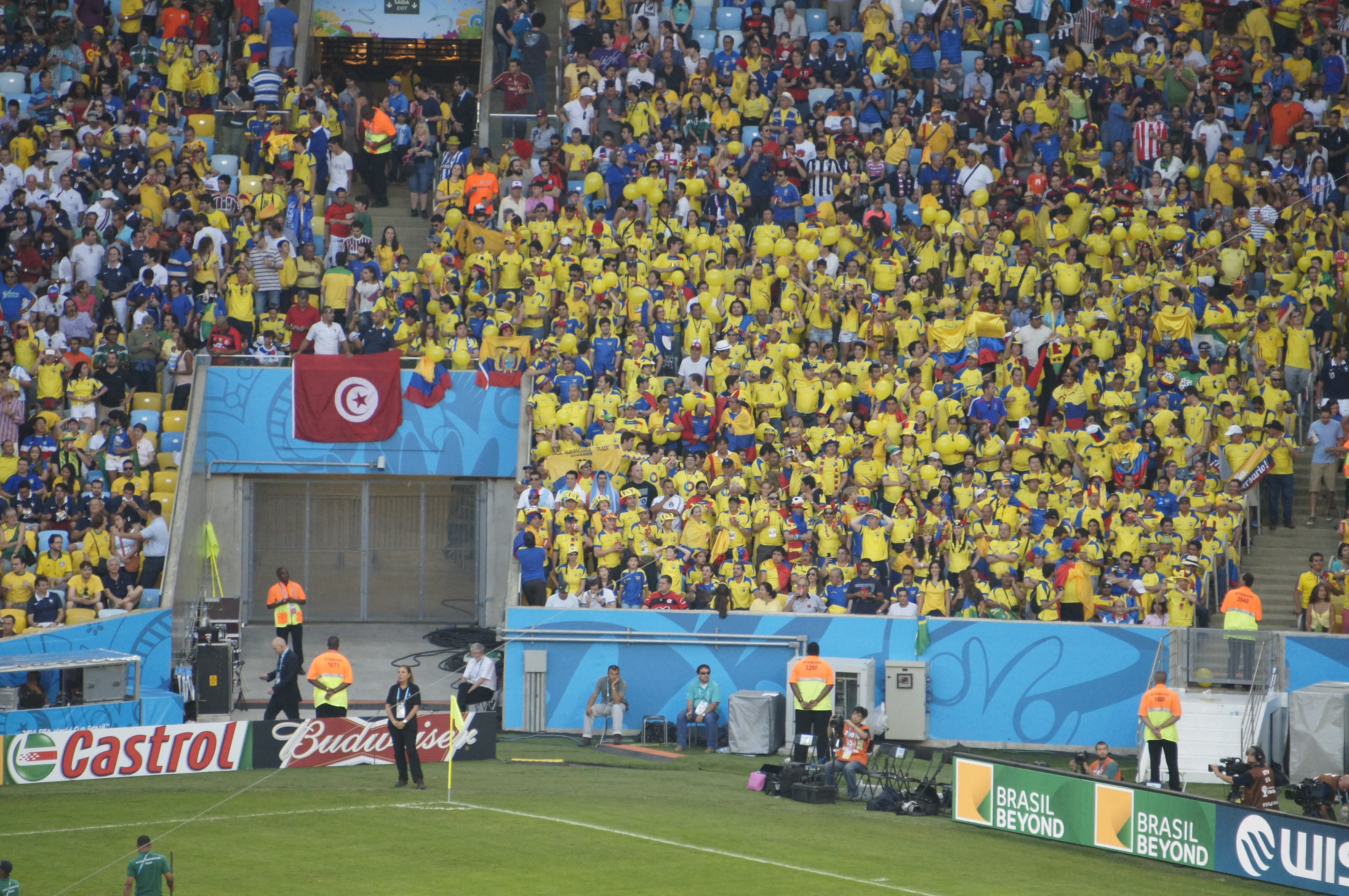
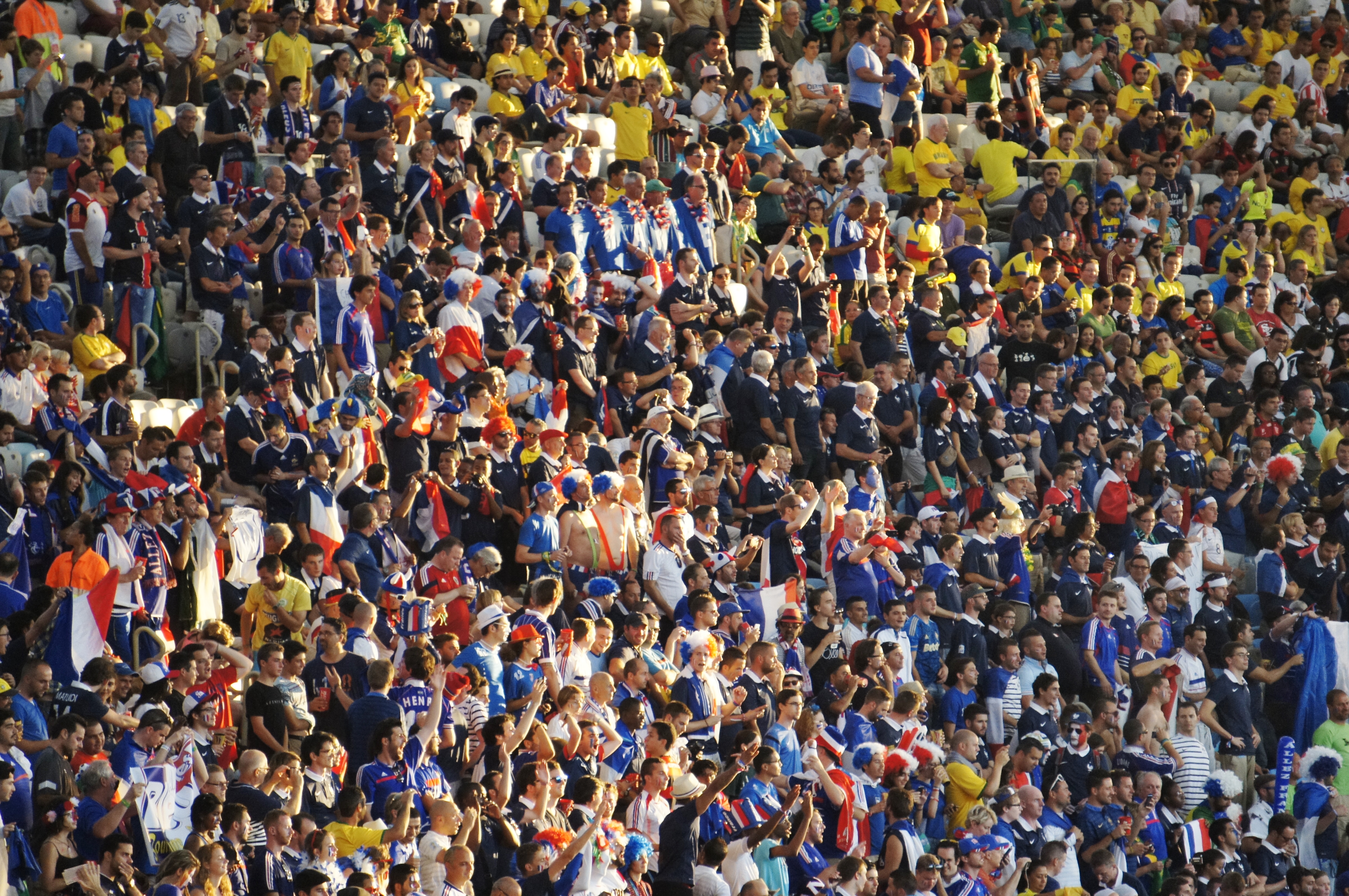
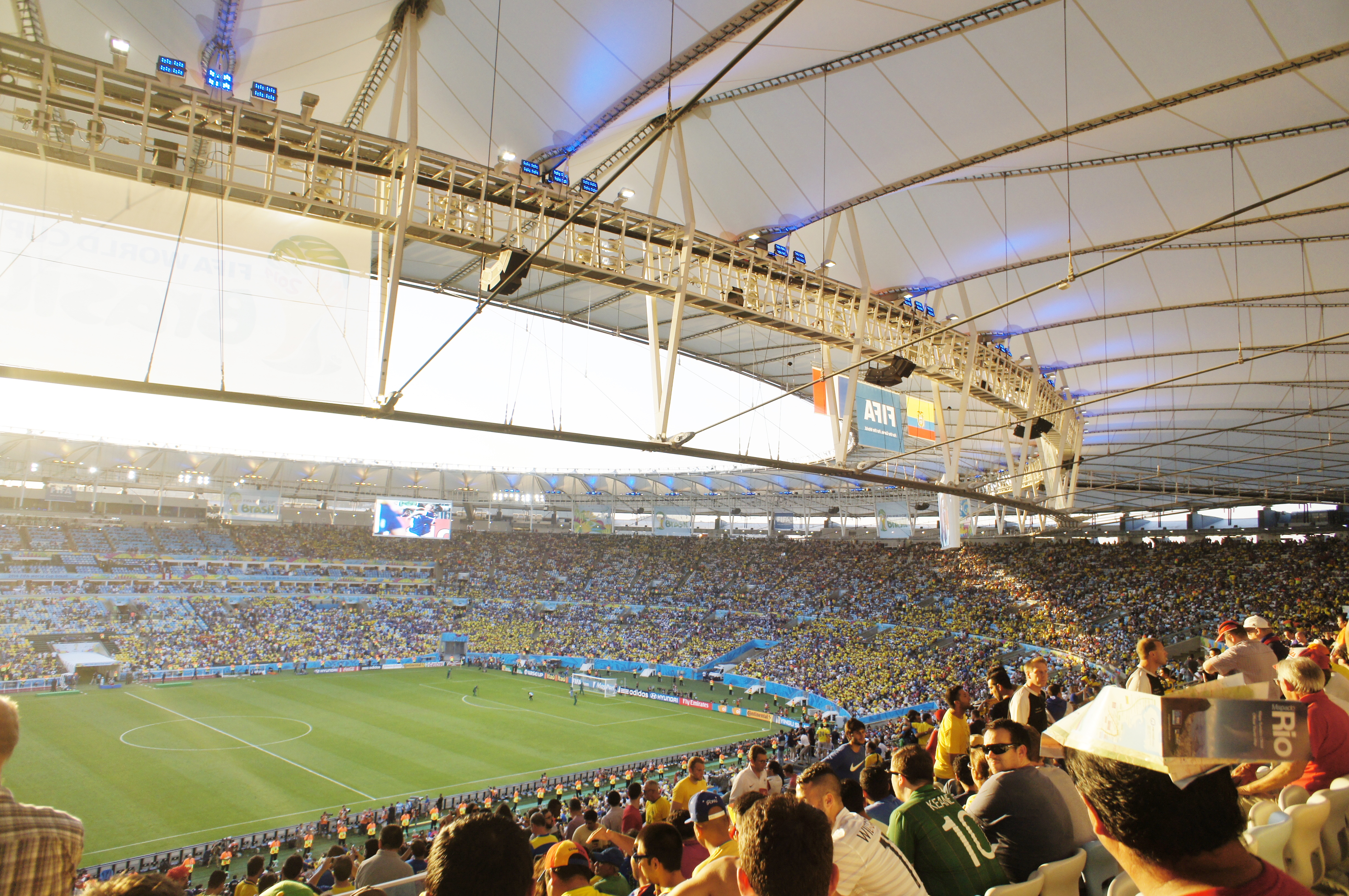
Which in this case, was far from exciting. Still, it’s an unforgettable experience to sit in a jam-packed Maracanã, the crowd in opposing colours, chanting either Allez les bleus or Se puede, sí!, and watch those tiny figures desperately trying to make a goal (and the Ecuadorian goalie being impressively heroic), in the newly-renovated stadium which somehow, despite temperate weather outside, was suffocating.

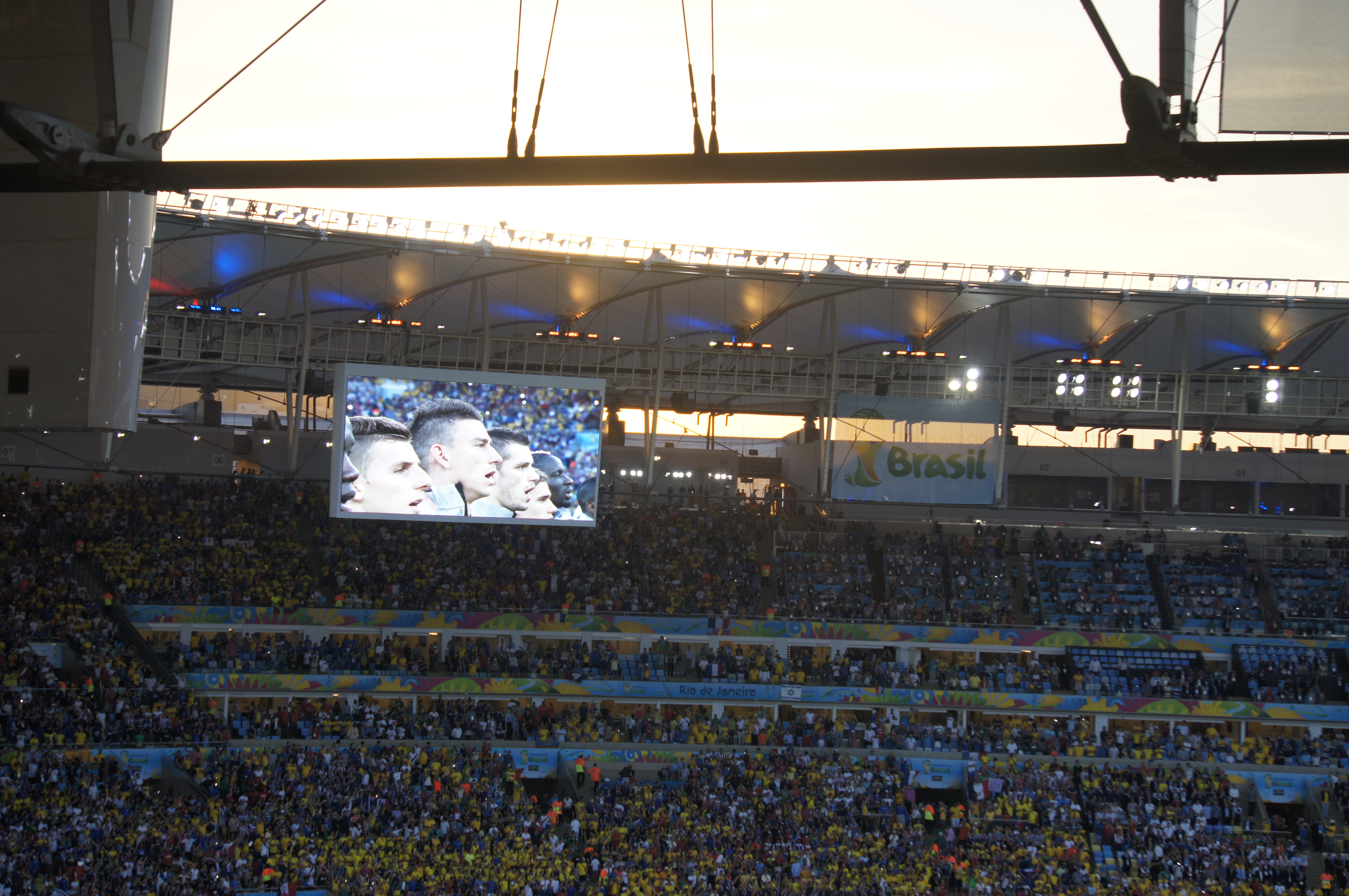
National anthem

National anthem

Back and forth

Back and forth

lll

Magic

dff

The minority

fff

The majority

gg

More than 73,000 attendees

Once the game was over, as we waited for the crowds to clear, a saviour appeared in the form of an ice-cream seller. The R$12 real price was worth every centavo.

A pit stop on the way out proved the bathrooms to be hospitable and clean. In the strangely mirror-less sink (security hazard?), a couple of American women were washing, with great determination, their hoard of FIFA-decorated beverage cups. Which brought to mind the advertising that appeared at one point on the side boards: “FIFA develops football for all”.

“Sounds like The Truman Show”, commented a fellow spectator. And it really was impossible, at least for him and for this blogger, to wholly forget the dark side of the 2014 World Cup. Perhaps a goal or two would have helped. Final score: 0-0, with Ecuador shipping out.

SONY DSC

It worked, though the number of cars meant long stops between stations

A happy volunteer

A happy volunteer

No hard feelings

No hard feelings


Posted in Brazil, Transformation of Rio de Janeiro / Transformação do Rio de Janeiro | Tagged , , | 2 Comments