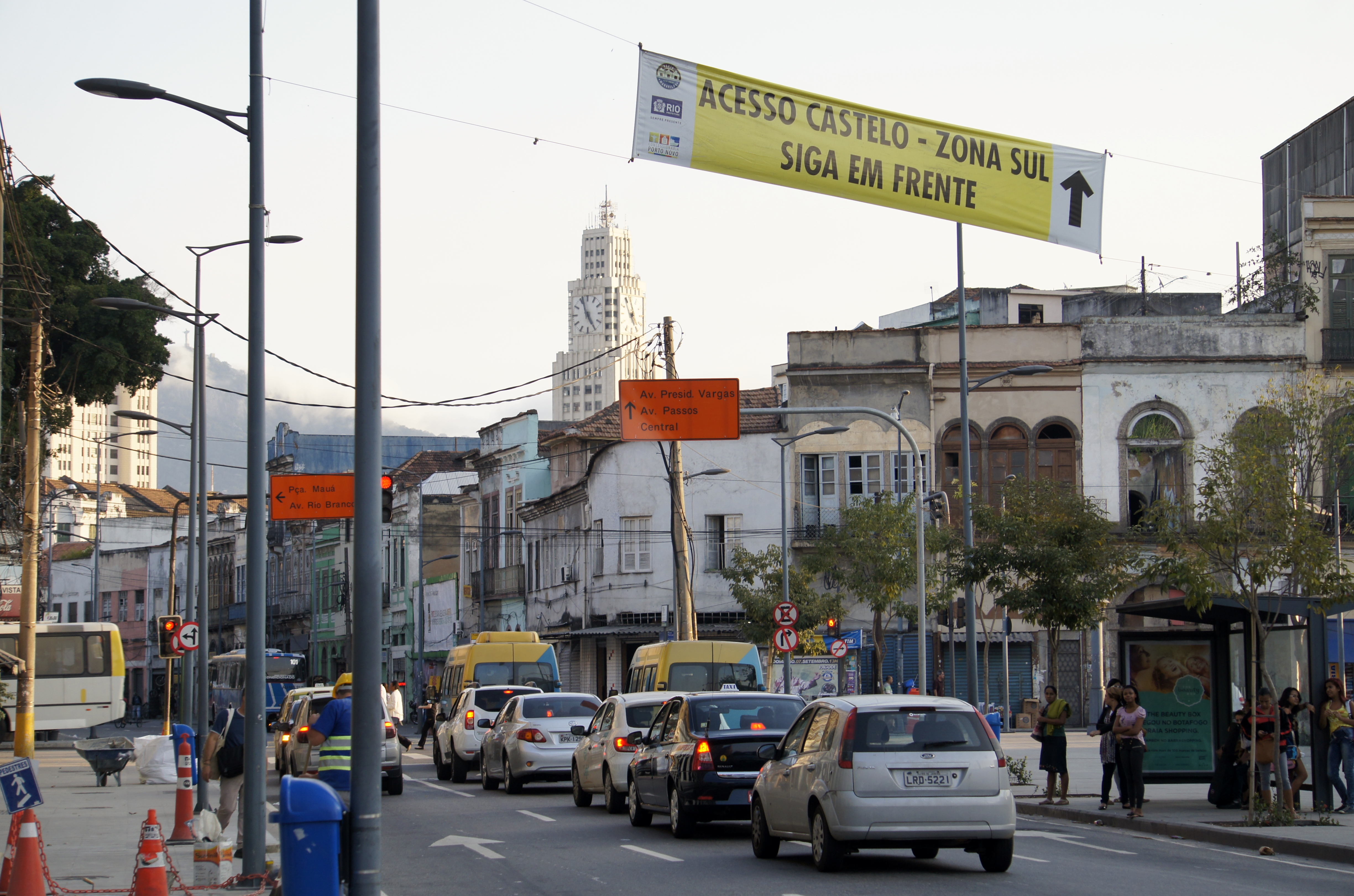
Paramilitary gangs in metropolitan Rio de Janeiro: what’s to be done?

A tragic situation

Para Milícias no Rio de Janeiro metropolitano: o que fazer, clique aqui

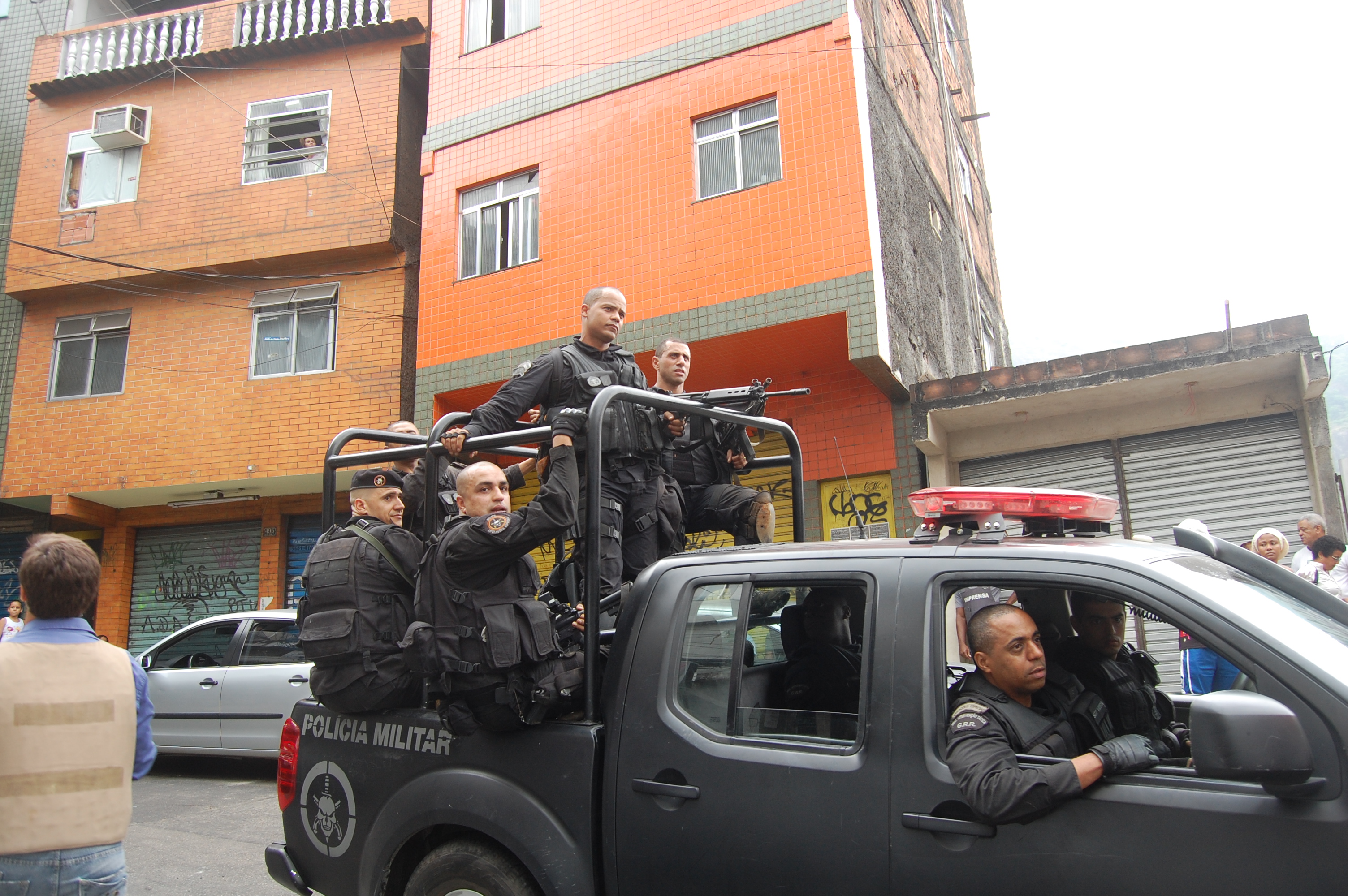
Paramilitary gangs, known here as milícias, are spreading, from de Angra dos Reis, south of Rio de Janeiro, up to the northern state line with Espírito Santo. They run Rio’s West Zone, are getting into drug trafficking, invade public housing projects, have an effective intelligence network of project building managers and minivan drivers, and function within the corps of Rio’s police at the highest levels.

Bus companies cannot compete with minivan fleets controlled by milicianos. The number of disappeared persons cases is increasing in the West Zone. In cities adjacent to Rio on its northern flank, in the Baixada Fluminense, milicianos double as mayors and city councilmen — and they kill. There is no strategic plan to retake territory from the gangs, which are the closest of any group in Rio today to Italy’s Mafia.

Now what?

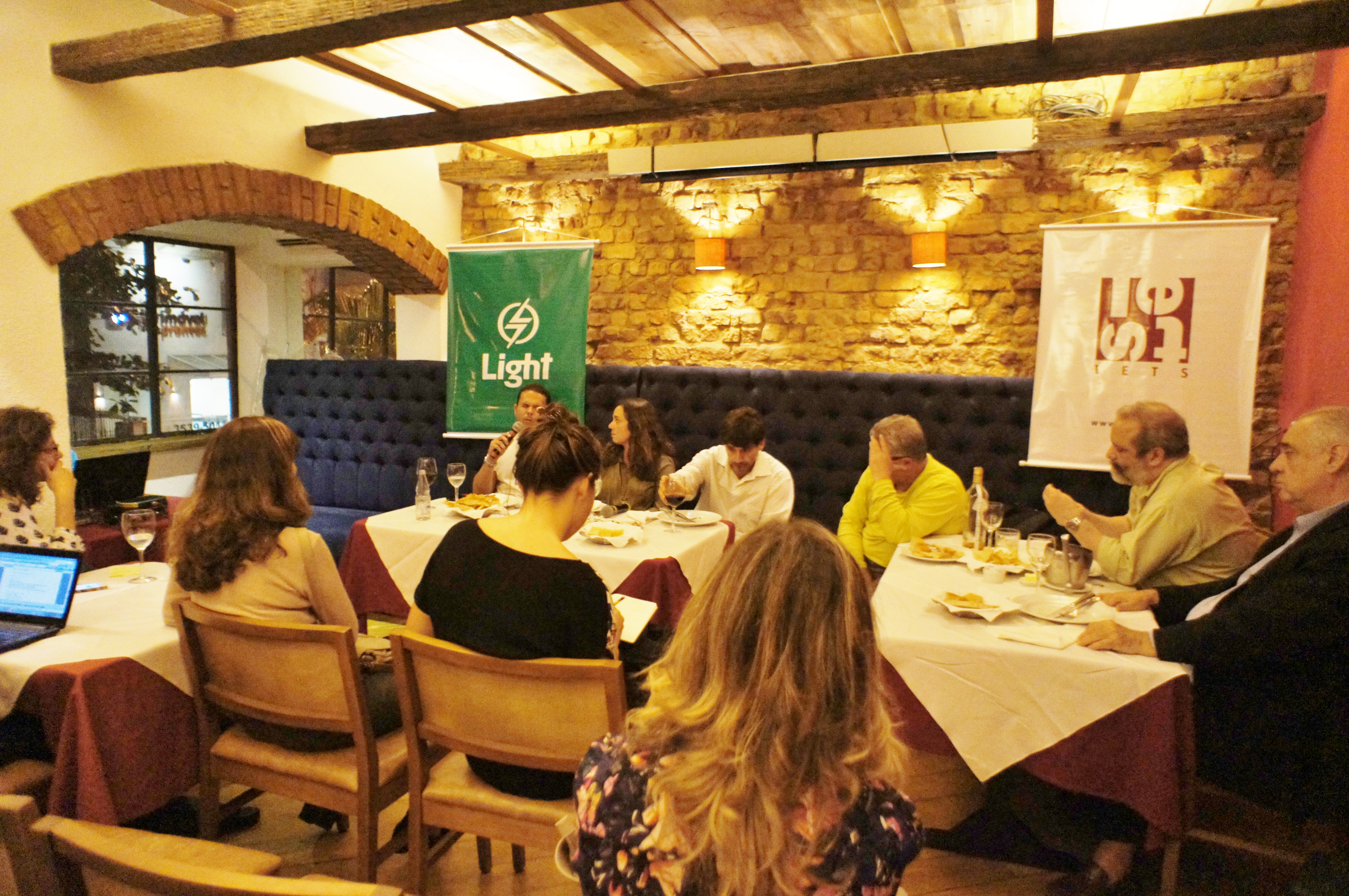
Some of Rio’s top specialists regarding paramilitary gangs met this week, upstairs at the Osteria dell’Angolo restaurant, for yet another session of the OsteRio debate series, organized by Iets, a think tank, and the Light electric energy concession. Ignacio Cano, a Uerj professor who’s studied the milícia phenomenon since the mid-2000s, recounted its history and dynamics. O Globo journalists Elenice Bottari and Sérgio Ramalho, who’ve long covered the subject, spoke of more recent events. Last month, the paper published a series of stories on milícias and plans to return to them after the elections.

Paulo Magalhães, a Iets researcher now focusing on milícias that take over new units of the  federal Minha Casa Minha Vida federal housing program, shared frightening news about this. Program beneficiaries who yield an apartment to the gangs lose their chance to receive another one at a safer location.
gggg

OsteRio debates milícias

Possibly the only good piece of news heard at the OsteRio was about the “you can’t do this any more” message (as described by one of the speakers) sent to Rio de Janeiro police as a result of the September 15 arrest of Colonel Alexandre Fontenelle, who held the post of Special Operations Commander of the Rio state Military Police. For now, Fontenelle hasn’t been accused of the newly defined crime of milicia activity. However, given the nature of the evidence and the formal accusations of extortion and bribe-taking, those present said that  Fontenelle is a gang member.

One participant noted that the whole city, not only the West Zone, relies on private security personnel, some professionals, working under government supervision, others not. In his opinion, we need to change our overall public safety framework in order to sipe out paramilitary gangs.

But other measures can be taken.
ffff

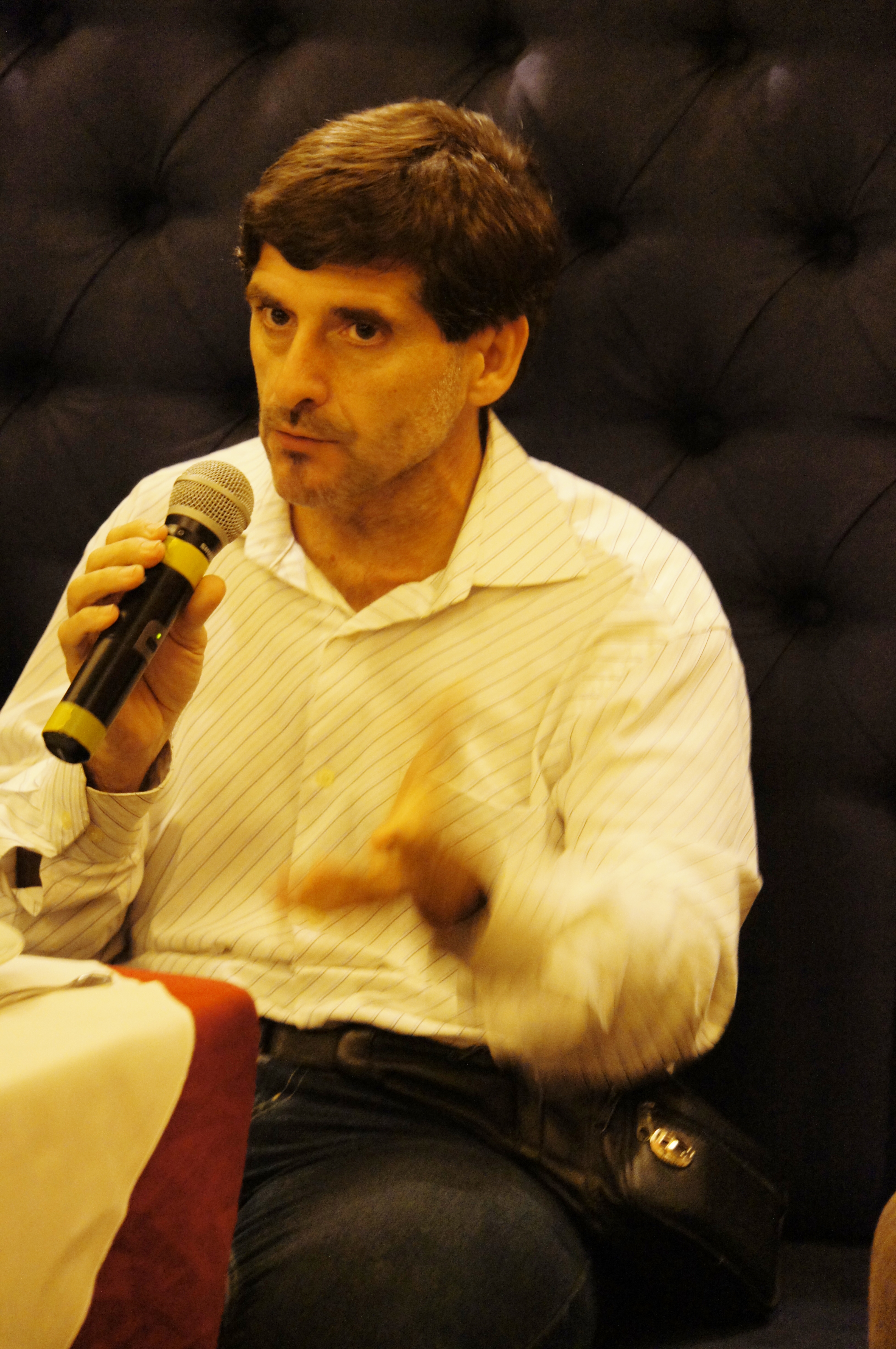
Ignacio Cano, Uerj sociologist,  urban violence specialist

The specialists made specific, practical suggestions, which call for citizen pressure and the dedication of police personnel, judges and prosecuters:

  • restrict public access to the Cadastro Único (Onetime Register) of beneficiaries of the Minha Casa Minha Vida program;
  • regulate motorcycle taxis that provide alternative transportation in favelas and impose better minivan controls ;
  • create conditions such that legitimate cable TV providers can offer service in milícia-dominated areas;
  • increase police presence and investigate suspected milicianos with greater efficiency and rigor (the investigation of Colonel Fontenelles took two years); and
  • strengthen internal affairs police departments

Shall we work together with the future governor or Rio de Janeiro state, to put these items into practice?

Here are some links to the O Globo reporting team’s recent work on paramilitary gangs:


Posted in Brasil, Transformation of Rio de Janeiro / Transformação do Rio de Janeiro | Tagged , , , , , , , , | Leave a comment

Milícias no Rio de Janeiro metropolitano: o que fazer?

Quadro trágico

As milícias se espalham, de Angra dos Reis até a divisa com o estado de Espírito Santo. Dominam a Zona Oeste, entram no tráfico de drogas, invadem conjuntos habitacionais, contam com uma rede de inteligência entre o síndicos destes e os motoristas de vans — e estão na polícia até os escalões mais altos da corporação.

As empresas de ônibus não conseguem competir com as frotas de vans controladas por milicianos. Aumentam os casos de desaparecidos na Zona Oeste. Na Baixada Fluminense, milicianos fazem dublê de prefeitos e vereadores — e matam. Não existe um plano estratégico para recuperar territórios de milicianos, que hoje são o que mais se aproxima, no Rio de Janeiro, à Máfia italiana.

E agora?

Alguns dos maiores especialistas em milícias se reuniram nesta semana, no andar de cima do restaurante Osteria dell’Angolo, para mais um debate da série OsteRio, organizada pelo think-tank Iets e a concessionária de eletricidade Light. Ignacio Cano, professor da Uerj que estuda o fenômeno paramilitar desde meados dos anos 2000, relatou a história das milícias. Os jornalistas de O Globo, Elenice Bottari e Sérgio Ramalho, que acompanham o assunto também há muito tempo, falaram de acontecimentos recentes. No mês passado, o jornal publicou uma série de matérias sobre as milícias e pretende voltar ao assunto depois das eleições.

Paulo Magalhães, pesquisador do Iets que se debruça atualmente na questão das milícias que invadem os novos conjuntos do programa Minha Casa Minha Vida, trouxe informações assustadoras. E quem cede um apartamento para milicianos perde qualquer chance de ganhar mais um, em local mais seguro.

gggg

A série do OsteRio debate as milícias

Talvez a única notícia boa que se ouviu no OsteRio foi da mensagem “não pode mais” (como a descreveu um dos debatedores) enviada aos policiais do Rio de Janeiro, em função  da prisão no último dia 15 de setembro, do coronel Alexandre Fontenelle, até então chefe do Comando de Operações Especiais da Polícia Militar do estado. Por enquanto, Fontenelle não responde pelo crime de atuação de milícia. Dado a natureza das provas e das acusações de extorsão e recebimento de propina, porém, de acordo com uma das pessoas presentes,  Fontenelle seria mesmo um miliciano.

Um participante lembrou que a cidade toda, não apenas a Zona Oeste, conta com agentes de segurança particular, alguns profissionalizados e fiscalizados pelo estado, outros nem tanto. Para ele, acabar com as milícias implica em mudar nossa maneira global de pensar segurança.

Mas talvez existam outras saídas.

ffff

Ignacio Cano, sociólogo da Uerj,  especialista em violência urbana

Os especialistas fizeram sugestões pontuais e práticas, que dependem da pressão dos cidadãos e do empenho de delegados, juízes e promotores:

  • fechar o acesso público ao Cadastro Único das pessoas beneficiadas pelo programa Minha Casa Minha Vida;
  • regulamentar os mototáxis e impor um controle mais eficaz às vans;
  • criar condições para que empresas idôneas de TV a cabo possam oferecer seus serviços em áreas controladas por milícias;
  • aumentar a presença policial e investigar energeticamente quem pode estar praticando crimes de milícia (a investigação do coronel Fontenelles demorou dois anos); e
  • fortalecer as corregedorias policiais

Vamos trabalhar para por em prática esses itens, com o próximo governador do estado do Rio de Janeiro?

Seguem links para algumas das matérias recentes reportadas pela dupla de O Globo:


Posted in Brasil, Transformation of Rio de Janeiro / Transformação do Rio de Janeiro | Tagged , , , , , , , , | Leave a comment

Rio de Janeiro: Radical city, diagonal city

1270294_10152474726440787_7716350344682104509_o

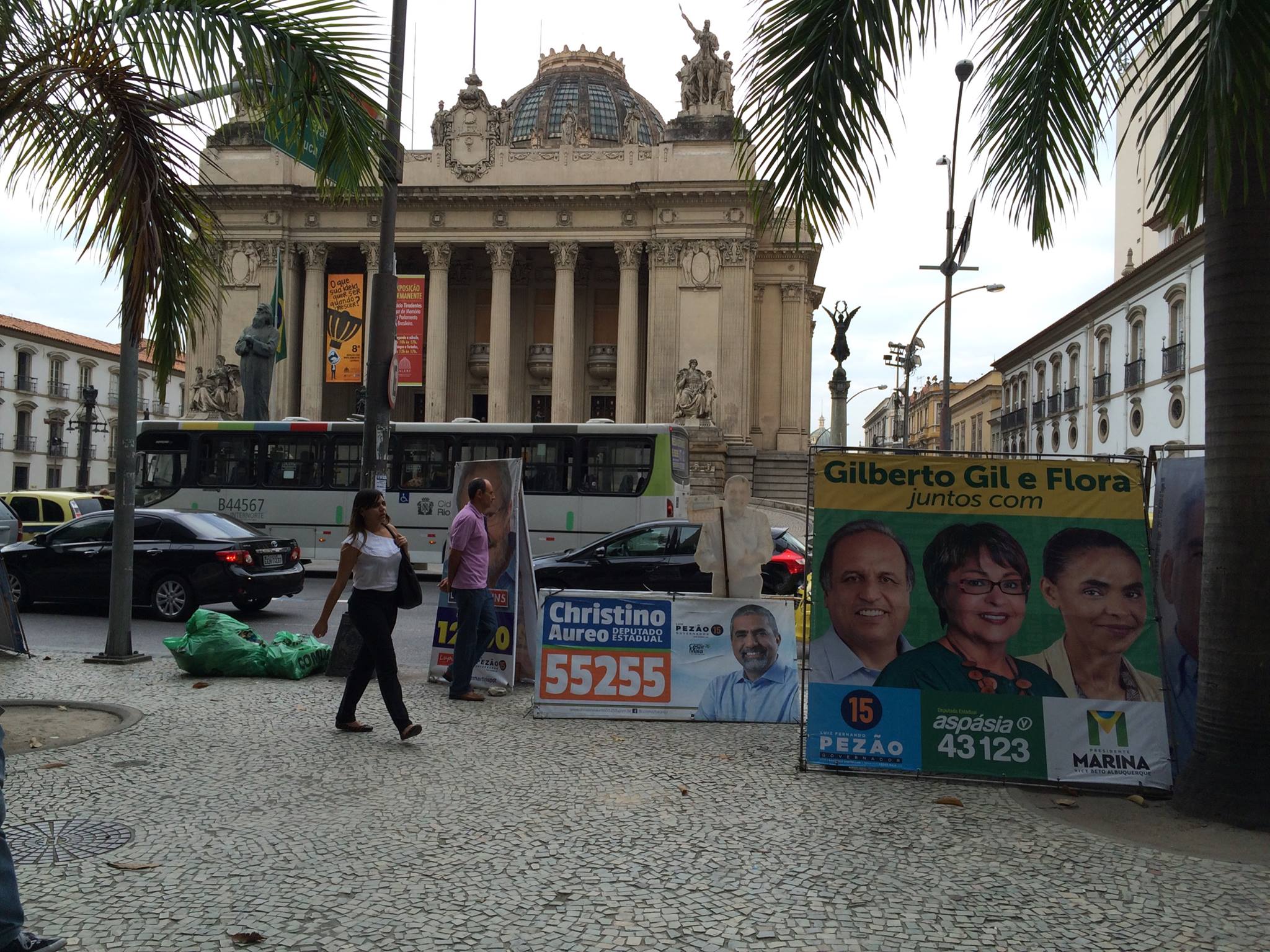
Improvisation in Latin American cities: opposite the Rio state legislature, candidates’ removable placards

Radical Cities/Ciudades Radicales/Cidades Radicais: Across Latin America in Search of a New Architecture, published in the U.K., maps the urban partnerships of Latin America, old and new

Para Rio de Janeiro: cidade radical, cidade diagonal, clique aqui

Accepting the informal city as an unavoidable feature of the urban condition, and not as a city-in-waiting, is the key lesson that this generation of Latin American architects can offer the world. The challenge they are now addressing is not just how to rehabilitate the slums, by inserting necessary services and improving quality of life, but how to integrate them into the city as a whole, creating the connections and flows, the points of communication and inclusion that will dissolve the lines of exclusion and collision. Urbanism in the informal city has to be smarter than in the past; it needs to be flexible, so that it can handle unplanned change. Inevitably, this involves the particpation of the communities who live there.

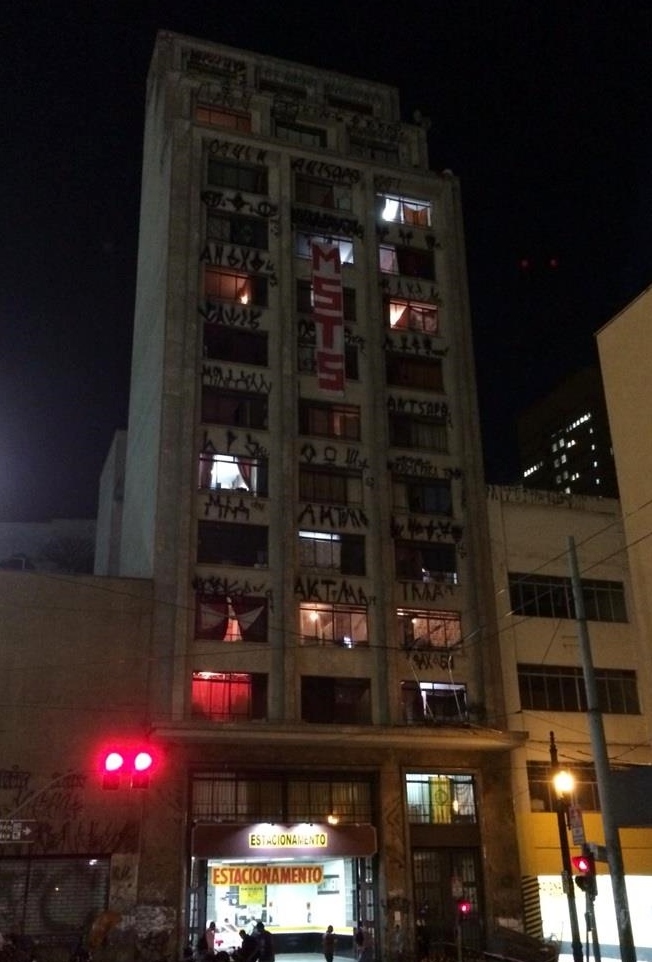
prédio ocupado em São Paulo

Occupied building in São Paulo

From this side of the Atlantic, the appreciation and admiration of British author Justin McGuirk for hybrid urban solutions — solutions that arise as much from urban and architectural planning as from the spontaneity of residents’ lives — can seem somewhat gratuitous. After all, Latin American creativity, given the negligence of governments, markets and the upper classes, is simply a necessity.

Rio de Janeiro may have been the first city to recognize such a reality and respond with policy, back in 1994, with the implementation of the Favela-Bairro favela upgrade program.

The process, as McGuirk describes in the book, in Argentina, Peru, Chile, Brazil, Venezuela, Colombia and Mexico, is rarely easy or peaceful. Brazilian architect Luiz Carlos Toledo found this to be the case when he worked to transform an alley into a street in Rocinha favela, as he noted in RioRealblogTV’s newest video, about alleys and passageways.

And the activists cannot bet on continuity, as more than 750 families who occupied an unfinished abandoned office tower in downtown Caracas for seven years found out, in one of the most impressive stories told in Radical Cities.  The residents, who used their creativity and their muscles to inhabit the tower’s 28 floors, without an elevator and lacking many external walls, were transferred this past July to government-built housing.

But these non-ideal solutions, described by the author, are what we have — even when they consist of government housing invaded by paramilitary gangs who impose what we might call, er, alternative management. This is what comes of the realization that utopias cannot be built, that ideal conditions will never exist. These are solutions in constant negotiation.

And aren’t all cities territories in constant negotiation?

The dynamic is clear in McGuirk’s  lament for the abandoned municipal favela upgrade program, Morar Carioca, advertised in 2010 as an Olympic promise to be fulfilled over ten years.  He says that Morar Carioca is on the back burner until after the gubernatorial election. “This is the kind of political point-scoring that suffocates so much potential in Latin America,” he concludes.

For those of us who live in Rio de Janeiro, subject of an enormous transformation since 2008 — carried out with outsized authoritarianism — the stories of activist Colombian politicians bring home the notion that it is possible, both for them and for their electorates, to think outside the box and work with those unlike oneself.

Antanas Mockus, for example, mayor of Bogotá for two terms ending in 2003, placed mimes at the city’s most troubled intersections, to suggest more correct and safer behavior to motorists and pedestrians. He passed out red cards like the kind used by soccer referees to drivers, so they could signal others’ penalties. São Paulo’s Governor, Geraldo Alckmin, might like to know that Mockus featured himself, shutting off water while soaping, in advertisements to get citizens to reduce water consumption. They did, by 14%.

Mockus questioned urban culture and demonstrated that alternatives exist, that change is possible. You can learn more about him in this video, which documents the surprising event that took this son of Lithuanian immigrants into politics: he lost his post as university president after interrupting booing students during an assembly.

How did Mockus get the students to stop booing? He mooned them, on the auditorium stage.

The stories of Mockus and many other protagonists on this continent, professionals and residents, illustrated with wonderful color photos, are told with nuance and historic contextualization. Not only do they serve as lessons in urbanism and architecture, but they also remind us, in the struggle to evolve more just cities, that we are not alone in Brazil.

As McGuirk says at the end of the book, citing Venezuelan architect Alfredo Brillembourg, a key figure in Caracas, “[ …] if the nineteenth century gave birth to the horizontal city and the twentieth century gave birth to the vertical city, then the twenty-first century must be for the diagonal city, one that cuts across social divisions.”

Tomorrow don’t miss the book launch for Cidades em transformação, a collection of articles about port-city revitalizations around the world, organized by Miriam Danowski and Ephim Shluger. The launch is at Livraria da Travessa in the Shopping Leblon, at 7 p.m., and the book will be of interest to anyone who is thinking about Rio’s ongoing port renewal.

Posted in Brazil, Transformation of Rio de Janeiro / Transformação do Rio de Janeiro | Tagged , , | Leave a comment

Rio de Janeiro: cidade radical, cidade diagonal

1270294_10152474726440787_7716350344682104509_o

As gambiarras das cidades da América Latina: na frente da Assembleia Legislativa, candidatos se anunciam em cartazes removíveis

Radical Cities/Ciudades Radicales/Cidades Radicais: Across Latin America in Search of a New Architecture, publicado na Inglaterra, mapeia as parcerias urbanas da América Latina, antigas e novas

Aceitar a cidade informal como um atributo inevitável da condição urbana, e não como uma cidade no aguardo, é a lição mais importante que essa geração de arquitetos latino americanos pode oferecer ao mundo. O desafio que enfrentam hoje não é apenas como revitalizar as favelas, ao inserir os serviços necessários e melhorar a qualidade de vida, mas como integrá-las na cidade como um todo, criando as conexões e os fluxos, os pontos de comunicação e inclusão que irão dissolver as linhas de exclusão e colisão. O urbanismo na cidade informal tem que ser mais inteligente do que no passado; tem que ser flexível, para que possa lidar com mudanças imprevistas. Inevitavelmente, isso implica na participação de quem ali mora.

prédio ocupado em São Paulo

Prédio ocupado, em São Paulo

Desse lado do Atlântico, o apreço e admiração do autor britânico Justin McGuirk pelas soluções urbanas híbridas — soluções que surgem tanto do planejamento urbano e arquitetônico quanto da espontaneidade da vida do morador — podem parecer um tanto gratuitos. Afinal, o protagonismo e a criatividade do latino americano, face à negligência de governos, de mercados e das classes mais altas, são simplesmente necessários.

O Rio de Janeiro talvez tenha sido a cidade pioneira no mundo, ao reconhecer que o caminho era esse, com a implantação do programa Favela-Bairro, que data de 1994.

A elaboração das soluções, como McGuirk descreve no livro, em Argentina, Peru, Chile, Brasil, Venezuela, Colômbia e México, raramente é fácil nem tranquilo. O arquiteto brasileiro Luiz Carlos Toledo descobriu essa realidade, na hora de abrir uma rua na Rocinha, conforme comentou no vídeo mais novo da RioRealblogTV, sobre becos e vielas.

E nem sempre os ativistas encontram a continuidade, caso das mais de 750 famílias que por sete anos ocuparam uma incompleta e abandonada torre de escritórios no centro de Caracas, uma das histórias mais impressionantes do livro Radical Cities.  Os moradores, que lançaram mão dos músculos e da maior criatividade para viver em 28 dos andares da torre, sem elevador e faltando muitas paredes externas, foram transferidos em julho último, para moradias construídas pelo governo.

Mas são essas soluções não ideais, como o autor descreve, o que temos — mesmo quando dão em moradia construída pelo governo e invadida por milicianos, que lá fazem uma gestão, digamos alternativa. São frutos de uma desistência generalizada da utopia, de almejar as condições ideais. São soluções em constante negociação.

Mas todas as cidades são territórios em constante negociação, não são?

A dinâmica está bem clara no lamento que McGuirk faz pelo abandono de nosso programa municipal, o Morar Carioca, alardeado em 2010 como promessa de melhorias das favelas da cidade em dez anos.  Diz ele que o Morar Carioca ficou de banho-maria para depois dessa eleição para governador. “É esse o tipo de pontuação política que sufoca tanto o potencial da América Latina,” conclui.

Para quem mora no Rio de Janeiro, sujeito de uma transformação enorme desde 2008, efetuada com uma grande dose de autoritarismo, as histórias dos políticos ativistas colombianos impressionam pela capacidade, tanto por parte deles como por parte do eleitorado, de pensar fora da caixa e de trabalhar em conjunto.

Antanas Mockus, por exemplo, prefeito de Bogotá por dois mandatos, terminando em 2003, colocou mímicos nos cruzamentos mais conturbados da cidade, para apontar aos motoristas e pedestres comportamentos mais adequados e seguros. Distribuiu cartões vermelhos aos motoristas, para que pudessem identificar as faltas dos outros. O governador de São Paulo, Geraldo Alckmin, talvez gostasse de saber que Mockus tomou banho em frente às câmeras, fechando a torneira enquanto se ensaboava, para convencer os cidadãos a reduzir o consumo de água. Cumpriram, em 14%.

Mockus mexeu com a cultura urbana e demonstrou que alternativas existem, que é possível mudar. Veja mais um pouco sobre ele neste vídeo, que documenta o surpreendente fato que levou esse filho de imigrantes lituanos a entrar na arena política: perdeu o cargo de reitor universitário ao interromper as vaias de estudantes no meio de uma assembleia.

Como Mockus fez os estudantes calarem? Abaixou as calças, no palco do auditório.

As histórias de Mockus e de tantos outro protagonistas no continente, profissionais e meros moradores, ilustradas com ótimas fotos coloridas, são contadas com nuance e contextualização histórica. Servem, além de lições de urbanismo e arquitetura, para nos lembrar que, na luta para a evolução de cidades mais justas, não estamos sozinhos aqui no Brasil.

Como diz McGuirk, no fim do livro, citando o arquiteto venezuelano Alfredo Brillembourg, figura marcante em Caracas, “[ …] se o século XIX deu luz à cidade horizontal, e o século XX deu  luz à cidade vertical, o século XXI deu luz à cidade diagonal, uma que faz um corte através das divisões sociais.”

Amanhã não perca, na Livraria da Travessa do Shopping Leblon, às 19 horas, o lançamento do livro organizado por Miriam Danowski e Ephim Shluger, Cidades em transformação, uma coletânea de artigos sobre a revitalização de cidades-porto no mundo, o que deve ser muito útil para quem pensa a nossa área portuária. 

Posted in Brasil, Transformation of Rio de Janeiro / Transformação do Rio de Janeiro | Tagged , , | Leave a comment

Police violence at the Rio Film Festival: the documentary “À queima roupa” (Point Blank)

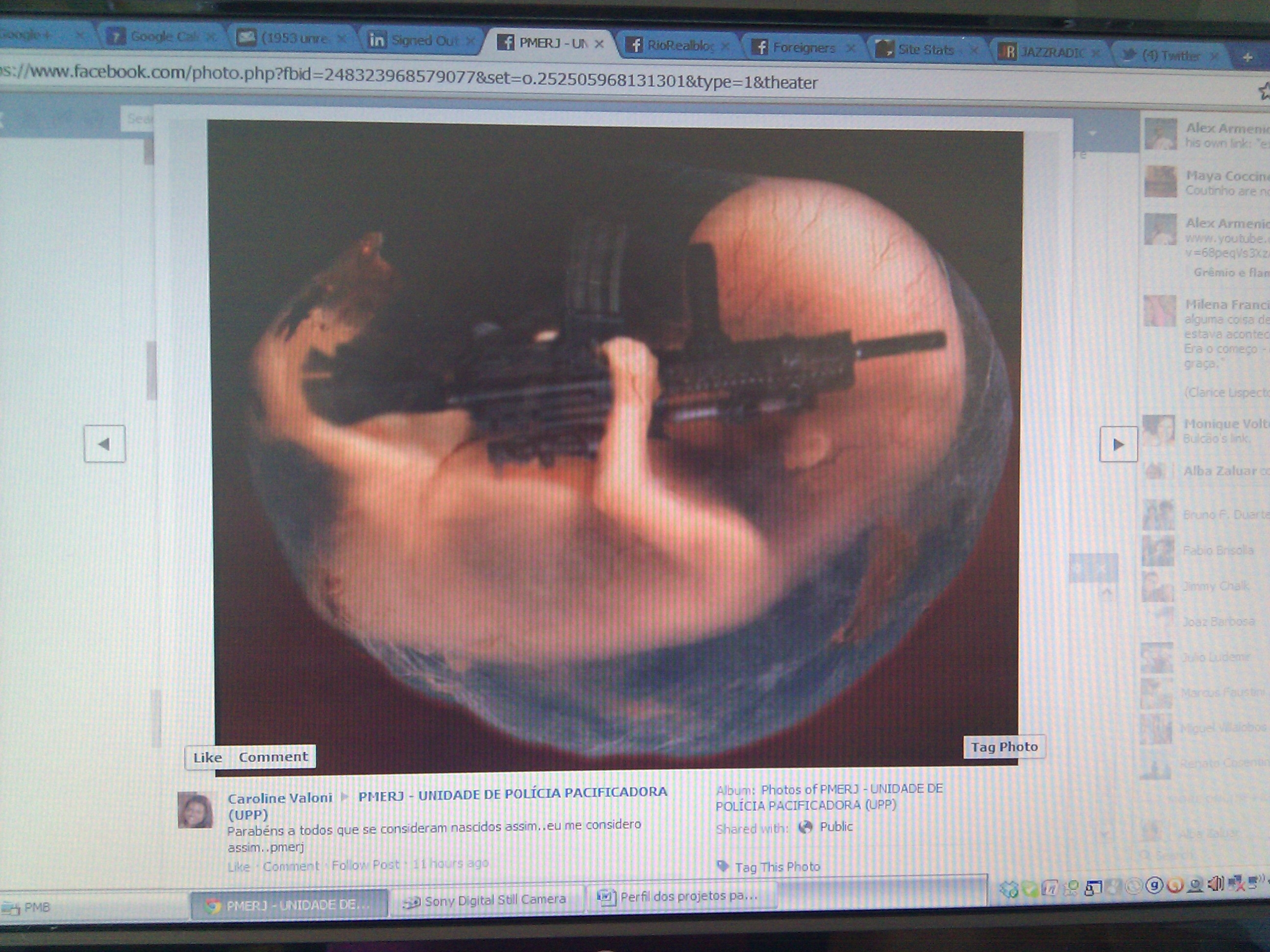
From the UPP police facebook group page: "Congratulations to all those who think of themselves as having been born like this. I think of myself this way"

From the UPP police Facebook page, in 2012: “Congratulations to everyone who feels they were born like this. I know I do.”

Para Violência policial no Festival do Rio: o documentário À queima roupa, clique aqui

Watch the trailer here. The movie, partially crowdfunded by way of the Catarse site, will be in Rio cinemas as of October 16.

Our memories are short, with so much daily news on crime and police in Rio de Janeiro.

Last week, in the wake of an investigation that brought about the arrest of 24 police officers on September 15, one arrestee claimed, in a deposition meant to reduce his expected prison sentence, that the military police command demanded monthly payments of US$ 6,000 equivalent from each battalion, collected in bribes. In other words, if the accusation is proven true,  police corruption  and paramilitary activity, despite efforts to combat them, are still quite widespread in the corps.

So the courageous documentary À queima roupa (Point Blank) directed by Theresa Jessouroun, does the public an enormous favor in recalling, with documented details and dramatic reenactments, police violence in the metropolitan area since 1993, the year of the Vigário Geral massacre. Interviewing relatives and survivors, officials and the informant Ivan Custódio Lima, about several episodes of police violence, Jessouroun singles out the factors that lead to suffering and injustice, perpetrated by those who should be protecting citizens and preventing crime:

  • the low value of life attributed to favela residents
  • criminal activity carried out by police, who extort criminals and resell their aprehended weapons and drugs
  • poor training and lack of adequate psychological care for police
  • impunity

The film has extreme scenes, of blood and death — and of the tragic surprise felt by the son of judge Patrícia Acioli, shot in her driveway by police in 2011 because she had ordered their arrests.

Photo by Taylor Barnes

Photo: Taylor Barnes

Two of the most striking scenes in the film are the single tear running down the face of a barber who survived a shot to the head and now has cerebral palsy, barely able to communicate verbally; and the statement by informant Ivan, that the police responsible for the Vigário Geral massacre, himself included, should have spent more time in prison. “Do you think six years is worth a life?” he asks.

The film ends close to the present day, with scenes of residents and UPP police in the Jacarezinho favela, in April 2013, when a young bystander was shot dead. At the conclusion of the documentary, one feels that nothing has changed since 1993: bullets still fly, destroying the lives of favela residents (for this blogger, the feeling was reinforced just after watching the movie, with the news that yet another complicated death of a young favela resident has just taken place, this time in the Complexo do Alemão).

But what is most moving in the film’s final scenes is the courage and conviction of the residents in the face of the young man’s death in Jacarezinho, allegedly shot as he ate a hot dog. Together, they vehemently protest his death, yelling the word “Justice!” in unison. And this serves to remind viewers who have kept up with events in recent years in Rio de Janeiro that, while corruption and police violence endure, some things have indeed changed since 1993. As the informant Ivan notes in the film, back then the courts saw little proof of the Vigário Geral massacre, since most residents were afraid to testify against police.

You may also want to take a look at these Portuguese-language links:

http://oglobo.globo.com/rio/laudo-do-icce-confirma-que-policiais-militares-tentaram-fraudar-investigacoes-do-caso-amarildo-13796143

http://oglobo.globo.com/rio/apos-nove-mortes-policia-promete-investigacao-exemplar-na-mare-8803420

http://noticias.uol.com.br/cotidiano/ultimas-noticias/2014/04/08/reconstituicao-de-mortes-em-operacao-do-bope-mare-mobiliza-140-policiais.htm

http://g1.globo.com/rio-de-janeiro/noticia/2014/09/nove-pms-condenados-por-morte-de-juiza-patricia-acioli-sao-expulsos.html

Posted in Brazil, Transformation of Rio de Janeiro / Transformação do Rio de Janeiro | Tagged , , , , , | Leave a comment

Violência policial no Festival do Rio: o documentário “À queima roupa”

From the UPP police facebook group page: "Congratulations to all those who think of themselves as having been born like this. I think of myself this way"

Da página da polícia das UPPs no Facebook, em 2012: “Parabéns a todos que se consideram nascidos assim. Eu me considero assim”

Veja o trailer aqui. O filme, que conta com crowdfunding do site Catarse, estará nos cinemas a partir do dia 16 de outubro.

A memória fica curta, face ao dia a dia movimentado de notícias sobre o crime e a polícia do Rio de Janeiro.

Na semana passada, no rastro de uma investigação que resultou na prisão de 24 policiais no dia 15 de setembro, um policial preso declarou em depoimento, com o intuito de diminuir sua sentença prisional, que o comando da polícia militar demandava de cada batalhão o repasse mensal de R$ 15 mil em propinas. Ou seja, se for comprovada a denúncia, a corrupção policial e a atividade paramilitar, apesar de esforços para combatê-las, ainda estariam bastante difundidos na corporação.

Assim, o corajoso documentário À queima roupa, dirigido por Theresa Jessouroun, faz um enorme favor ao público, relembrando, com detalhes verídicas e encenações dramáticas, a  violência policial na área metropolitana desde 1993, ano do massacre do Vigário Geral. Ao entrevistar familiares e sobreviventes, autoridades e o informante Ivan Custódio Lima, sobre vários episódios de violência policial, Jessouroun aponta fatores que até hoje contribuem para a dor e para a injustiça, perpetradas por pessoas que deveriam proteger a população e prevenir o crime:

  • o pouco valor associado à vida do morador de favela
  • a atividade criminal por parte dos policiais, que extorquem criminosos e revendem as armas e drogas apreendidos
  • o mau preparo e falta de adequado acompanhamento psicológico dos policiais
  • a impunidade

O filme traz cenas extremas, de sangue e de morte — e do trágico espanto do filho da juiza Patrícia Acioli, morta na porta de casa por policiais em 2011 porque mandara prendê-los.

Photo by Taylor Barnes

Foto: Taylor Barnes

Duas das cenas mais marcantes do filme são a lágrima solitária que escorre a face de um barbeiro que sobreviveu um tiro no cérebro e hoje sofre de paralisia cerebral, mal conseguindo se comunicar verbalmente; e a declaração do informante Ivan de que os policiais responsáveis pela chacina do Vigário Geral, inclusive ele, deveriam ter ficado mais tempo na prisão. “Você acha que seis anos vale uma vida?” ele pergunta.

O filme termina quase nos dias de hoje, com cenas de moradores e policiais de UPP na favela de Jacarezinho, em abril de 2013, quando um jovem transeunte morreu baleado. A conclusão do documentário suscita a sensação de que nada mudou desde 1993: as balas continuam voando, destruindo as vidas dos moradores em favelas (para essa blogueira, tal sensação foi reforçada poucas horas depois do fim da sessão de cinema, com a notícia de mais uma conturbada morte de jovem morador, desta vez no Complexo do Alemão).

Mas o que mais emociona, nas cenas finais do filme, é a coragem e convicção dos moradores, na hora da morte do jovem de Jacarezinho, que supostamente comia um cachorro quente na hora de ser atingido. Juntos, eles protestam veementemente a morte, gritando em coro a palavra “justiça!”. E isso serve para lembrar ao espectador que tenha acompanhado os fatos dos últimos anos no Rio de Janeiro que, mesmo que perdurem a corrupção e a violência policial, alguma coisa mudou sim desde 1993. Como lembra o informante Ivan no filme, houve poucas provas no caso da chacina de Vigário Geral, onde a maioria dos moradores tinha medo de testemunhar contra os policiais.

Veja também:

http://oglobo.globo.com/rio/laudo-do-icce-confirma-que-policiais-militares-tentaram-fraudar-investigacoes-do-caso-amarildo-13796143

http://oglobo.globo.com/rio/apos-nove-mortes-policia-promete-investigacao-exemplar-na-mare-8803420

http://noticias.uol.com.br/cotidiano/ultimas-noticias/2014/04/08/reconstituicao-de-mortes-em-operacao-do-bope-mare-mobiliza-140-policiais.htm

http://g1.globo.com/rio-de-janeiro/noticia/2014/09/nove-pms-condenados-por-morte-de-juiza-patricia-acioli-sao-expulsos.html

Posted in Brasil, Transformation of Rio de Janeiro / Transformação do Rio de Janeiro | Tagged , , , , , | Leave a comment

RioRealblog turns four

The time flew by!

ff

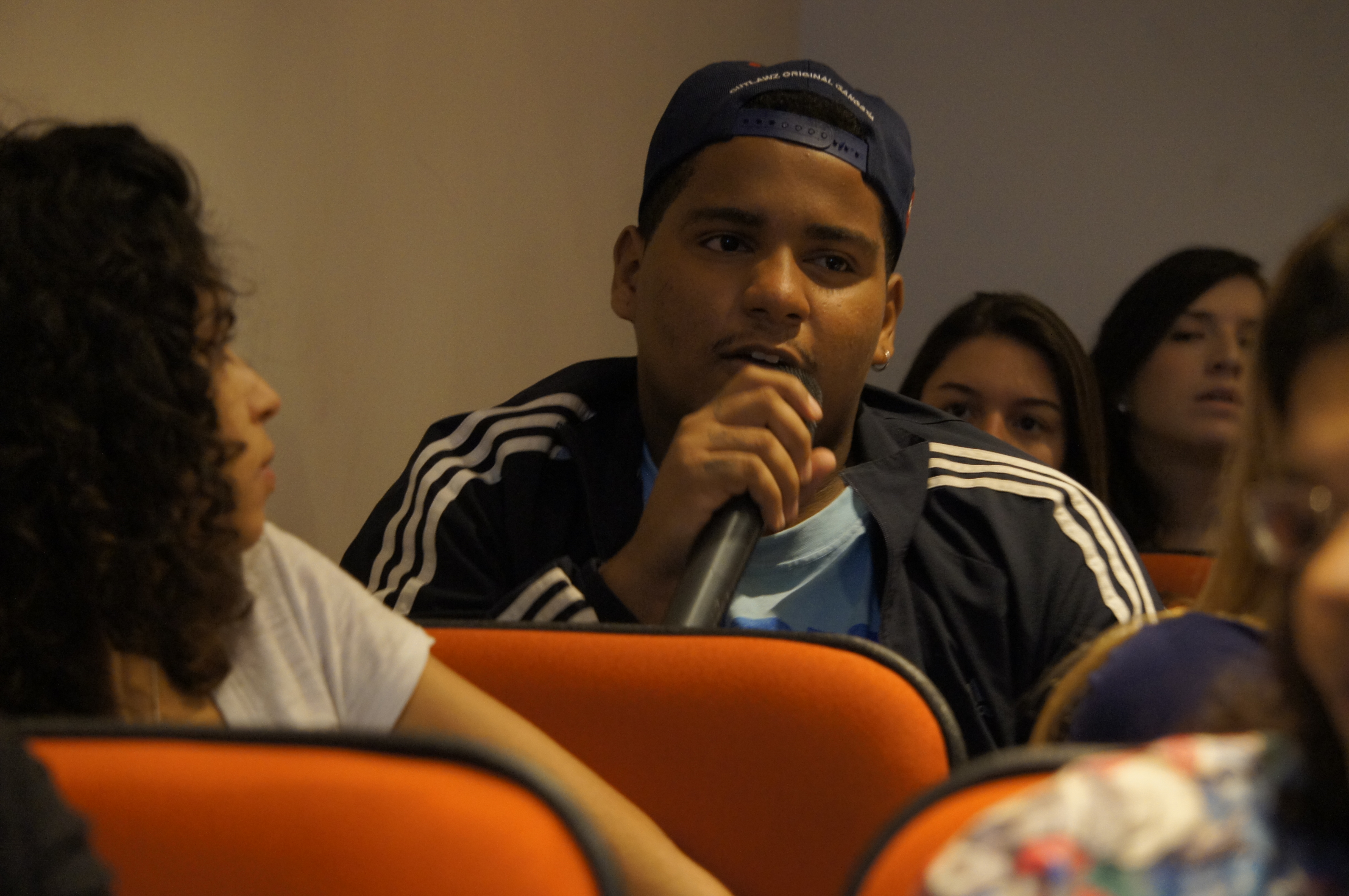
Rapper Marcão Baixada                                                                                                                                                                 A young  man with many questions about metropolitan Rio de Janeiro, at a Rio de Encontros debate on the Olympic legacy

Para RioRealblog faz quatro anos, clique aqui

The first post here saw the light exactly four years ago, on August 22 2010, a day after a gang under the direction of Rocinha’s druglord, “Nem”, invaded the São Conrado Hotel Intercontinental. Today, Nem is in jail, Rocinha has a (much-challenged) UPP, and the Intercontinental carries a new name and owner.

So much has changed since those days, when pacification was still a novelty. The post was actually a home video made on a cell phone to give the viewer some idea of the changes taking place on Avenida Presidente Vargas, in downtown Rio. Today, the avenue is dotted with new and renovated buildings, the Campo de Santana park is set to be adopted by French companies and the São Francisco de Assis Hospital just entered a remodeling phase.

SONY DSC

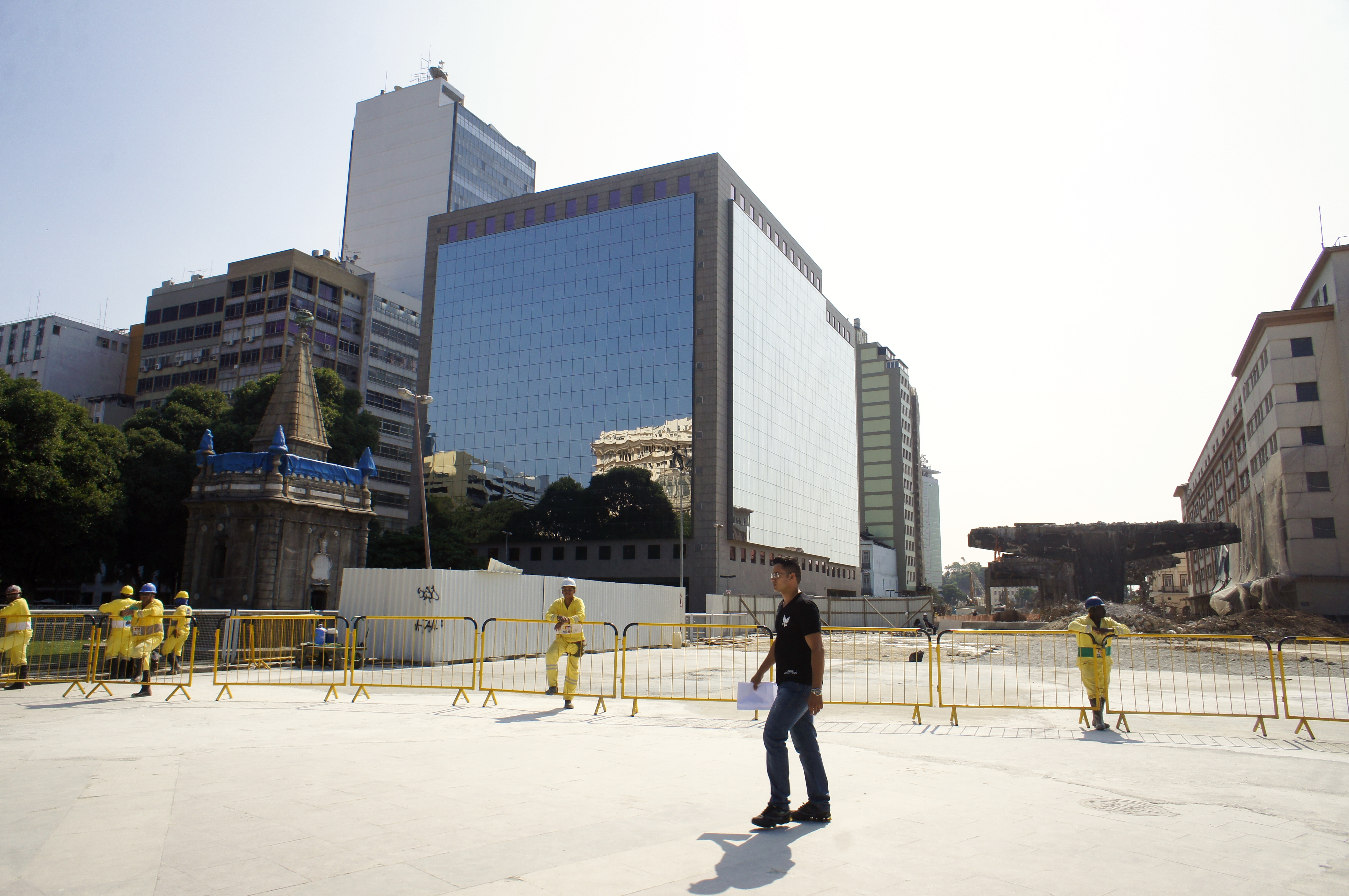
Skeleton of the bygone Perimetral flyover, in the background of Praça Quinze, downtown Rio

Since 2010 this blogger has crossed and recrossed the city, learned huge amounts, met inspiring people, written 374 posts, garnered more than 176,000 page views, created the Abecedário (ABCs) of the transformation of Rio, the Cariocapédia, and produced, along with videographer Jimmy Chalk, two videos. She’s published a Portuguese-language memoir and a bilingual coffee-table book about iconic Arpoador Beach, and these days is in the early research stages of a book about Greater Rio.

Check out the Mission Statement in the column to the right, dating back to early days. It’s been overtaken by myriad events, but signals the blog’s origins. During this electoral season, the issue of continuity (and rethinking some public policies, of course) is more relevant than ever.

gggg

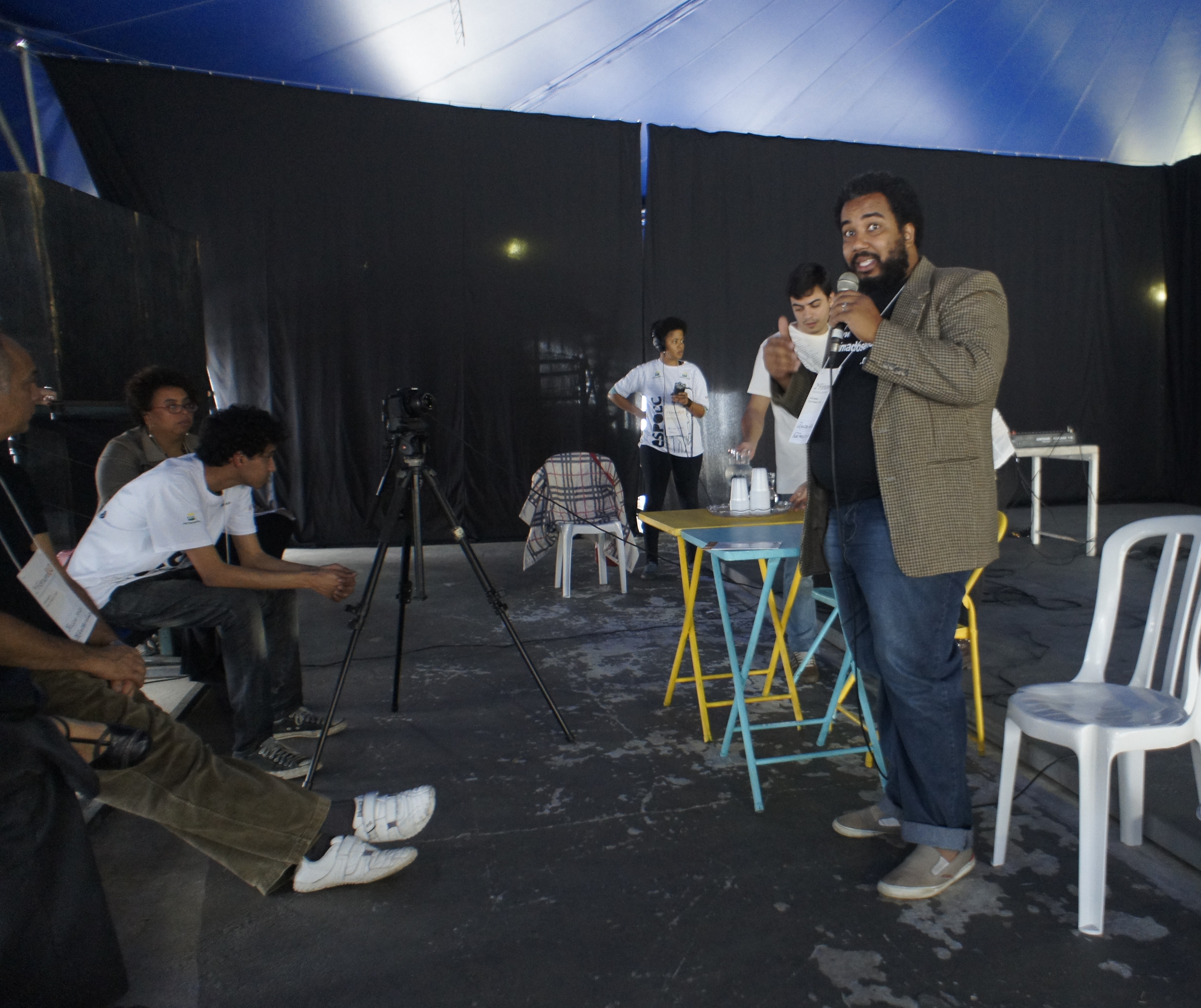
Actor and cultural activist Leandro Santanna, from Queimados, has a turn during the day of debates organized by the Casa Fluminense, speaking on what cultural collectives are looking for in terms of public policy

The transformation phase that began in 2008 sparked a wave of demands, heretofore held in check by a general sense of impotence and impossiblity. The city changed a great deal over these four years, and the reader can begin to get an idea of what’s been going on by looking at Cariocapédia catalogue, though it needs updating. The blog itself documents much of the change and the challenges (you can also like the blog’s Facebook page, for constant Rio news, and follow it on Twitter).

Perhaps mobility is what’s changing the most, though it’s early to evaluate the overall impact of the new BRTs, BRSs and VLTs (dedicated bus lanes and trolleys), the Metrô Line 4 extension, three cable car systems, a ban on vans on much of the city, bicycle path growth and a more efficient bus system.

So now let’s talk about what’s still missing.

On this score, Casa Fluminense (that this blogger held to found) just launched its Agenda 2017, to be presented to gubernatorial candidates. Drafted collectively, the ten-page Agenda is worth a careful read. It presents a selective few concrete proposals focused on four bases: metropolitan administration, the promotion of equality, the deepening of democracy, and sustainable development.

All are welcome to reflect on the Agenda and join the Casa Fluminense, created in 2013 “by activists, researchers and citizens who identify with a vision of a more just and integrated Rio”.

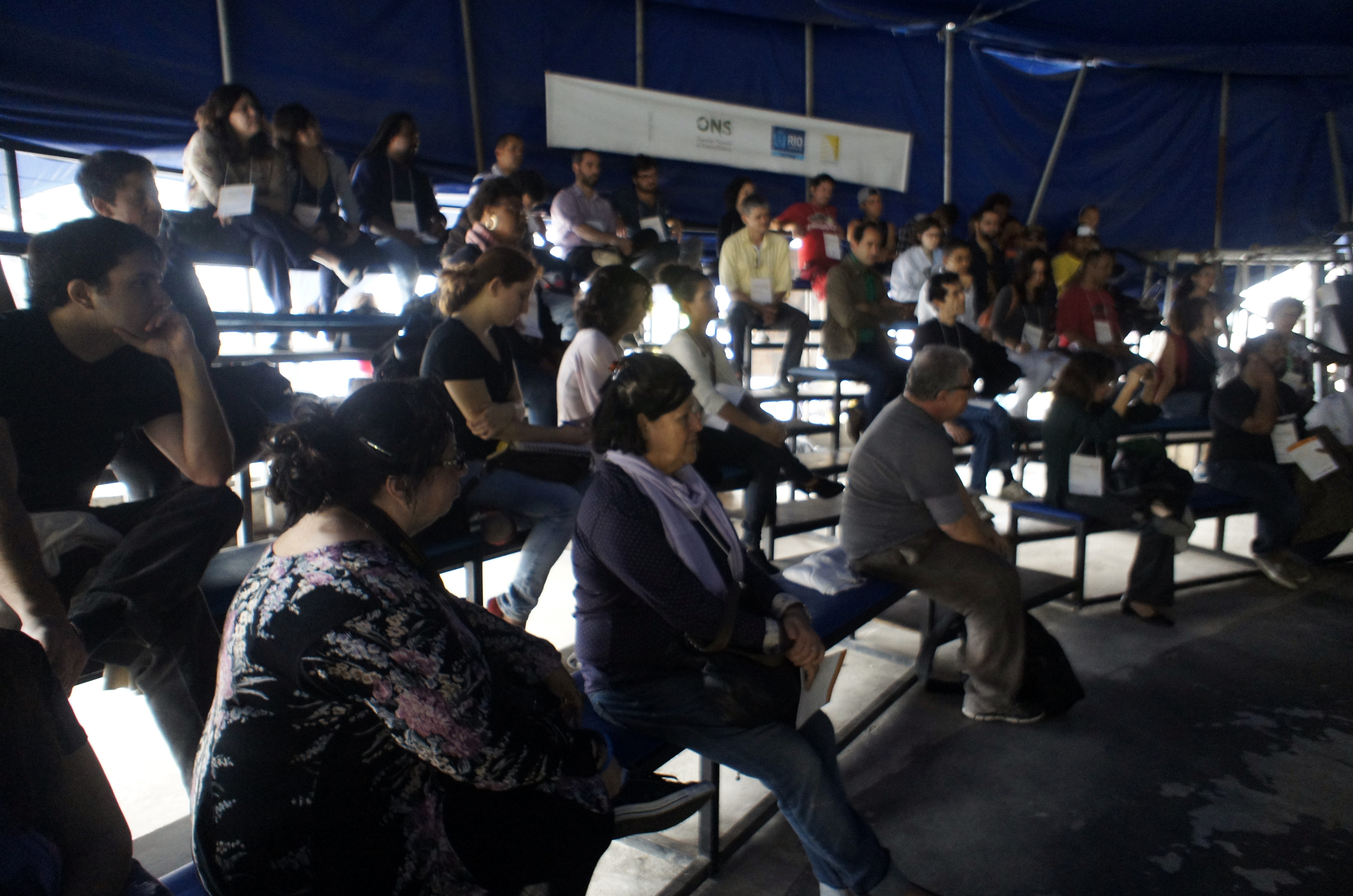
O anfitrião para os debates da Casa Fluminense foi o Circo Crescer e Viver

The Casa Fluminense debates, held August 16, were hosted by the Crescer e Viver circus

As last year’s demonstrations indicated, our horizon seems to drift further away, the more the metropolis moves in its direction. We’re all critics; we think, for example, that we lack a general vision of the city we want, that government officials have been too authoritarian. We want more participation and transparency, more urban integration.

The good news is that there has never been so much discussion about Rio de Janeiro. This was evident during a debate on the legacy of the Olympic  Games, organized last week by Rio de Encontros. At the Casa do Saber, young people from all over the metropolitan area interrogated representatives of the Organizing Committee and the Municipal Olympic Company, about their legacy plans. There was also a rich exchange with two veteram athletes, on sports competitions in general.

This awakening is crucial to the near future, before and after the Games. Without discussion, dialogue and debate, the 26% who believe that Rio’s transformation won’t last — as shown in the blog’s opinion poll (at right) — will turn out to be correct. What is your vote?

Will it last? Vai durar?
 
Sim / Yes  47.92%  (196 votes)
 
Não / No  26.41%  (108 votes)
 
Parcialmente /Partially  25.67%  (105 votes) 
Total Votes: 409
Uma boa dose de caos, na transformação da cidade (no Porto)

A good dose of chaos, in the city’s transformation (Port area)

Have you watched RioRealblogTV’s new video, about favela alleys? Watch here, and make sure to click on the captions icon for English translation.

Posted in Brasil, Porto Rio de Janeiro, Transformation of Rio de Janeiro / Transformação do Rio de Janeiro | Tagged , , , , | 4 Comments

RioRealblog faz quatro anos

Passaram rápido!

ff

Rapper Marcão Baixada                                                                                                                                                       Jovem com muitas perguntas sobre o Rio de Janeiro metropolitano, no Rio de Encontros

O primeiro post aqui foi no dia 22 da agosto de 2010, um dia depois de uma invasão do Hotel Intercontinental, em São Conrado, por um bando do traficante “Nem”, da Rocinha. Hoje, ele está na cadeia, a Rocinha tem uma (combalida) UPP e o Intercontinental mudou de nome e dono.

Tanta coisa mudou desde aqueles dias, quando a pacificação ainda era novidade. O post era, na verdade, um vídeo precário, feito com um telefone celular, que tentava apresentar o começo da transformação da avenida Presidente Vargas. Hoje, a avenida está repleta de prédios novos e reformados, o Campo de Santana será adotado por franceses e o Hospital São Francisco de Assis já entrou em reforma.

SONY DSC

Esqueleto da finada Perimetral, ao fundo, na Praça Quinze, centro do Rio

Desde 2010, sua blogueira andou muito na cidade, aprendeu demais, conheceu muita gente inspiradora, fez 373 posts, recebeu mais de 176 mil cliques, criou o Abecedário da transformação do Rio, a Cariocapédia e produziu, junto com o videógrafo Jimmy Chalk, dois vídeos. Publicou um livro de memórias e outro sobre o Arpoador e hoje está na fase inicial de pesquisa, para um livro sobre o Grande Rio.

Dos dias primevais, fica, na coluna à direita, a Declaração de Missão. Está desatualizada, mas é um marco importante da origem do blog. Neste momento eleitoral, a questão da continuidade (e de repensar algumas políticas públicas) é mais relevante do que nunca.

gggg

O ator e agitador cultural de Queimados, Leandro Santanna, fala em dia de debates organizado pela Casa Fluminense, sobre o que falta para os coletivos culturais, em termos de políticas públicas

A fase de transformação, que começou em 2008, despertou uma onda de demandas, represadas até então por uma sensação geral de impotência e impossibilidades. Nesses quatro anos a cidade mudou muito, como o leitor pode constatar ao conferir a listagem da Cariocapédia, mesmo que esteja desatualizada. O próprio blog documenta grande parte das mudanças e desafios.(Você pode também curtir a página Facebook do blog, para notícias constantes sobre o Rio, e segui-lo pelo Twitter)

Talvez a mobilidade seja o que mais está mudando, mesmo que seja cedo para avaliarmos o conjunto de novos BRTs, BRSs e VLTs (bondes), a extensão da Linha 4 do Metrô, três teleféricos, a proibição de vans em grande parte da cidade, o crescimento das ciclovias e o ordenamento do sistema de ônibus.

E agora vamos falar do que falta.

Pensando nisso, a Casa Fluminense (que sua blogueira ajudou a fundar) acaba de lançar a Agenda 2017, que será apresentada aos candidatos a governador. Elaborada através de um processo coletivo, a Agenda, de apenas dez páginas, vale uma leitura cuidadosa. Apresenta propostas concretas — poucas e boas– focadas em quatro eixos: gestão metropolitano, promoção de igualdade, aprofundamento democrático e o desenvolvimento sustentável.

Todos são convidados a refletir sobre a Agenda e a participar da Casa Fluminense, formada em 2013 “por ativistas, pesquisadores e cidadãos identificados com a visão de um Rio mais justo e integrado”.

O anfitrião para os debates da Casa Fluminense foi o Circo Crescer e Viver

O anfitrião para os debates da Casa Fluminense, dia 16 de agosto, foi o Circo Crescer e Viver

Como vimos durante as manifestações do ano passado, ao passo que a metrópole anda em direção ao horizonte, mas longe esse parece ficar. Todos temos reclamações; achamos, por exemplo, que falta uma visão geral da cidade que queremos, que as autoridades têm sido autoritários demais. Queremos mais participação e transparência, mais integração urbana.

A boa notícia é que nunca se debateu tanto o Rio de Janeiro. Evidência disso foi um debate sobre o legado dos Jogos Olímpicos organizado pelo Rio de Encontros, semana passada. Na Casa do Saber, jovens de toda parte da área metropolitana sabatinaram representantes do Comitê Organizador e da Empresa Olímpica Municipal, sobre o que se pretende como legado. Houve uma rica troca também com dois atletas veteranos, sobre as competições esportivas em geral.

Esse despertar é crucial para o desenrolar dos próximos anos, antes e depois dos Jogos. Sem questionamentos, diálogos e debates, irão vingar os 26% que votaram na pesquisa de opinião do blog (à direita), dizendo acreditar que a transformação em curso não vai durar. E você? Já votou?

Will it last? Vai durar?
 
Sim / Yes  47.92%  (196 votes)
 
Não / No  26.41%  (108 votes)
 
Parcialmente /Partially  25.67%  (105 votes) 
Total Votes: 409
 
Uma boa dose de caos, na transformação da cidade (no Porto)

Uma boa dose de caos, na transformação da cidade (no Porto)

Você já assstiu ao segundo vídeo da RioRealblogTV, sobre becos de favela? Veja aqui.

Posted in Brazil, Porto Rio de Janeiro, Transformation of Rio de Janeiro / Transformação do Rio de Janeiro | Tagged , , , , | 2 Comments

The favela alley: asset or liability?

Favela alleyways may be one of the next big public policy challenges for Rio de Janeiro.

Para Becos de Favela: prejudicam ou facilitam? clique aqui

RioRealblog TV went to Rocinha favela to learn about becos, or alleys. There, we found that a huge part of the favela, most of it in fact, is made up of these narrow passages.

We spent several hours in an alley making our video. We shared the joy of children playing and the seriousness of adults, hurriedly squeezing past our tripod, carrying babies, backpacks, groceries and building materials.

Alleys came into being because Brazil doesn’t have enough low-income housing to meet demand. Where land is available — usually where no one else wants to live — people build their homes. In West Zone favelas, with cheaper real estate, there are fewer alleys and more streets. In the North and South Zones, more central areas where people have been living longer, the sought-after square meter is worth more. Favela construction is denser and there are more alleys.

Some favelas are basically made up of alleys, with just one main road that cars can drive on.

We know that alleys present challenges for health, sanitation and public safety, among other urban needs. How to deal with these challenges?

See our new video — and don’t forget to click on the captions icon to read the English subtitles

And here, see what the state government is plannning to do regarding another Rocinha alley, Rua Um:

You can read more about this project, part of the Rocinha PAC III, here.

And leave a comment!


Posted in Brazil, Transformation of Rio de Janeiro / Transformação do Rio de Janeiro | Tagged , , , , , , , , , , , , , , , , | 10 Comments

Becos de favela: prejudicam ou facilitam?

Lidar com becos pode ser o próximo grande desafio para as políticas públicas, no Rio de Janeiro.

O RioRealblog TV foi até a favela da Rocinha, para entender melhor a questão. Lá constatamos que uma parte enorme da favela, a maior parte, na verdade, é constituída de becos.

Por algumas horas, ficamos num beco, gravando o nosso vídeo. Sentimos a alegria das crianças que ali brincavam, e a seriedade dos adultos, que andavam apressados e espremidos, carregando filhos, mochilas, compras e material de construção.

Os becos surgiram porque o Brasil não tem moradia acessível para atender à demanda do povo. Onde há terrenos livres — geralmente aqueles onde ninguém mais queria morar — as pessoas constroem suas casas. Em favelas da Zona Oeste, com o metro quadrado mais barato, há menos becos e mais ruas. Em favelas das Zonas Sul e Norte, ocupados há mais tempo, e historicamente, mais procurados, o metro quadrado tem mais valor. Os terrenos são mais densamente construídos e há mais becos.

Existem favelas que são praticamente só becos e vielas, com apenas uma rua principal, onde passam carros.

Sabemos que o beco cria desafios de saúde, saneamento e segurança, entre outros. Como lidar com esses desafios?

Veja nosso novo vídeo


E aqui, veja o que o governo de estado pretende fazer com outro beco da Rocinha, a rua Um:

Leia mais sobre o assunto, parte do PAC III para a Rocinha, aqui.

E deixe seu comentário!


Posted in Brasil, Transformation of Rio de Janeiro / Transformação do Rio de Janeiro | Tagged , , , , , , , , , , , , , , , , , , | Leave a comment